Bearing noise is a common indicator of underlying mechanical issues in rotating equipment. For maintenance engineers and plant operators, understanding how to reduce bearing noise is essential for preserving machinery performance and avoiding unexpected failures. DUHUI will outline the primary causes of bearing noise, diagnostic methods, and practical steps to lower noise levels while preventing future recurrence.
What are Common Causes of Bearing Noise
Noise in bearings rarely appears without reason. The following factors are frequently responsible:
- Lack of lubrication – Insufficient or degraded lubricant increases metal‑to‑metal contact, generating friction and audible noise.
- Contamination – Dirt, dust, moisture, or debris entering the bearing raceway interferes with smooth rolling motion.
- Misalignment – When shafts or housings are not properly aligned, bearings experience uneven load distribution, producing vibration and noise.
- Overloading – Operating beyond a bearing’s dynamic load rating can deform rolling elements or raceways, leading to irregular motion.
- Defective components – Cracks, spalling, or brinelling on races or balls create repetitive impact noise during rotation.
What are the Effects of Bearing Noise?
Ignoring bearing noise leads to measurable consequences:
- Reduced efficiency – Friction increases power consumption and generates heat, lowering overall system efficiency.
- Premature wear – Vibrations accelerate fatigue on rolling elements, raceways, and adjacent components.
- Safety risks – Sudden bearing seizure in critical applications (e.g., conveyors, vehicle wheels) can cause accidents.
- Unplanned downtime – Repair or replacement of failed bearings interrupts production, often at higher cost than scheduled maintenance.
How to Diagnose Noisy Bearings
Before attempting to reduce bearing noise, identify its source and severity. Use the following diagnostic approach:
- Listen for noise patterns – Intermittent clicking suggests debris or a localised defect; continuous grinding often points to lubrication failure.
- Check lubrication condition – Inspect grease or oil for contamination, colour change, or excessive temperature.
- Measure vibration levels – Handheld vibration meters or permanent sensors can detect frequency peaks linked to specific defects.
- Inspect mounting and alignment – Use dial gauges or laser alignment tools to verify shaft and housing positions.
- Monitor operating temperature – Unusual heat often accompanies bearing noise and can indicate overload or insufficient clearance.
How to Reduce Bearing Noise
Once the cause has been identified, apply the following measures to reduce bearing noise effectively. These steps assume the bearing is still serviceable; severely damaged bearings should be replaced.
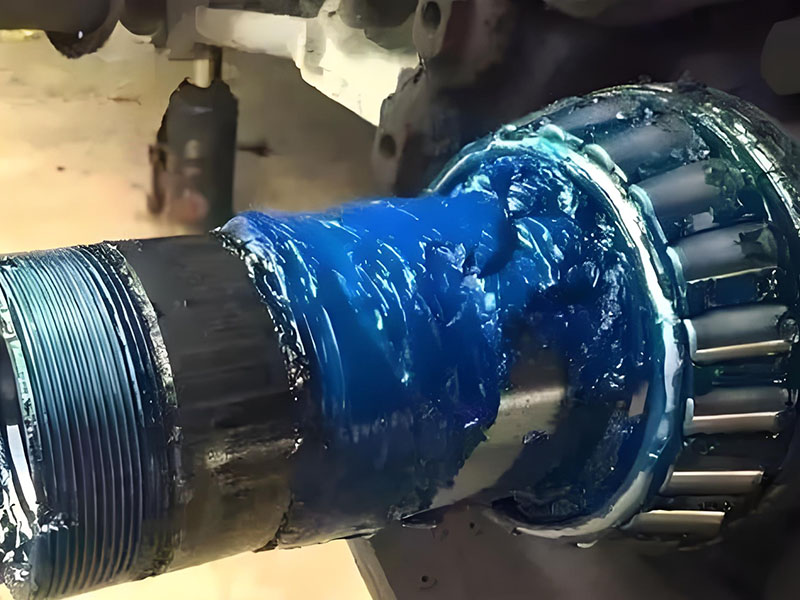
- Restore lubrication – Clean the bearing housing if contaminated, then apply the correct type and quantity of lubricant (grease or oil) as specified by the manufacturer. For sealed bearings, consider replacement if lubrication has degraded.
- Remove contaminants – Flush the bearing with a suitable solvent (for open bearings) and re‑lubricate. In dusty environments, improve seals or use bearing isolators to prevent future ingress.
- Correct misalignment – Realign shafts and housings using precision alignment tools. Verify that mounting surfaces are clean and that the bearing is seated squarely on the shaft or in the housing.
- Adjust load– If overloading is confirmed, reduce the applied load, increase bearing size, or switch to a higher load‑rated bearing. Also check for improper preload or clearance settings.
- Replace defective components – If spalling, brinelling, or cracks are present, install a new bearing of the same specification. Ensure proper mounting using induction heaters or press tools to avoid installation damage.
After performing these steps, run the equipment at low speed and listen for residual noise. Monitor vibration and temperature for at least one operational cycle to confirm improvement.
How to Prevent Bearing Noise
Prevention is more effective than corrective action. To avoid recurring bearing noise, implement the following practices:
- Regular lubrication schedule – Define intervals based on operating hours, speed, and temperature. Use automatic lubricators for critical or hard‑to‑reach bearings.
- Proper alignment procedures – Include alignment checks in every maintenance shutdown. Document alignment values for trend analysis.
- Contamination control – Install high‑quality seals, use clean lubricant storage, and keep work areas clean during bearing replacement.
- Load management – Do not exceed rated loads. If process variations cause occasional overloads, consider derating or selecting bearings with higher dynamic capacity.
- Routine inspections – Train personnel to recognise early signs of noise, vibration, or temperature rise. Use checklists for consistent data collection.
- Predictive maintenance techniques – Vibration analysis and thermal imaging can detect bearing defects weeks before they become audible. Implement these methods for high‑value assets.
- Invest in quality bearings – Bearings from reputable manufacturers (such as DUHUI Bearing) offer consistent geometry, proper heat treatment, and clean steel, all of which reduce baseline noise levels.
By combining these preventive measures with the corrective steps above, facilities can keep bearing noise to a minimum and extend equipment service life.
Frequently Asked Questions (FAQ)
How important is monitoring for addressing bearing noise?
Monitoring is critical. Regular vibration and temperature checks allow early detection of developing faults, often before noise becomes noticeable. This proactive approach reduces repair costs and prevents unplanned downtime.
Can noise issues in bearings be resolved without replacing the entire bearing?
Yes, if the bearing is not yet damaged. Noise caused by contamination, lack of lubrication, or misalignment can often be resolved by cleaning, re‑lubricating, and realigning. However, if rolling elements or raceways show spalling, pitting, or cracks, replacement is necessary.
How critical is addressing bearing noise for overall machinery performance?
Very critical. Bearing noise is an early warning of conditions that lead to friction, heat, and wear. Ignoring it accelerates component fatigue, reduces energy efficiency, and risks catastrophic failure. Prompt attention to noise preserves both the bearing and the surrounding machinery.
Conclusion
Reducing bearing noise requires a systematic approach: diagnose the cause, apply targeted corrective actions (lubrication, cleaning, realignment, load adjustment, or replacement), and establish a prevention programme. Regular monitoring, proper maintenance training, and the use of quality bearings all contribute to quieter, more reliable operations. By following the steps outlined above, maintenance teams can effectively reduce bearing noise and extend the service life of their equipment.