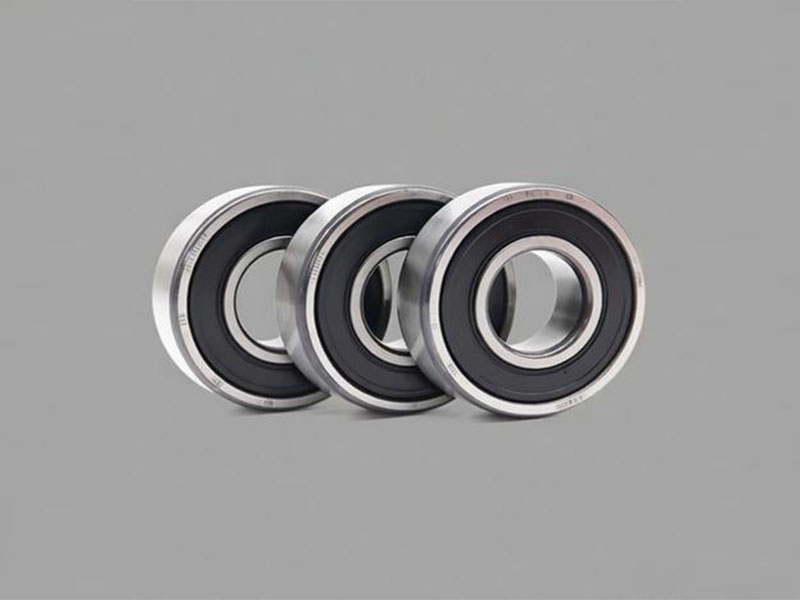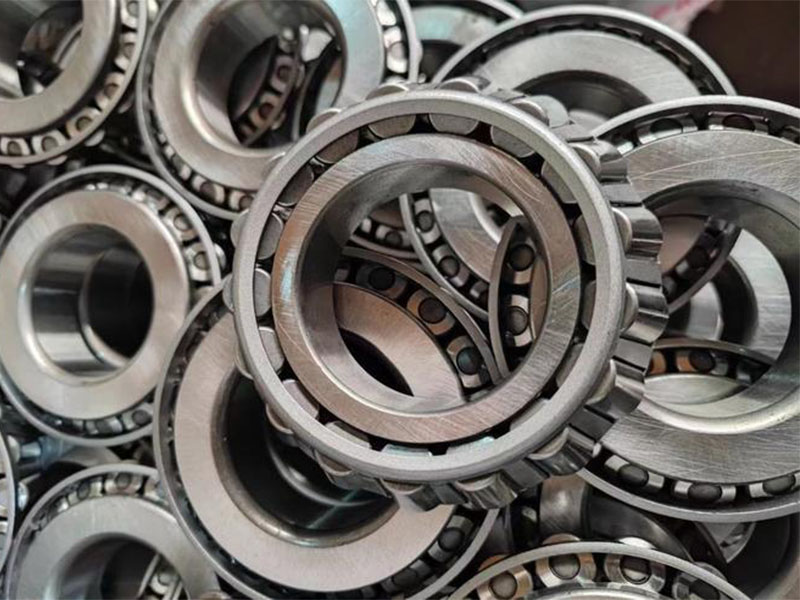
Finding the right supplier for ball bearings can be challenging given the wide range of types, quality levels, and pricing structures. Whether you need a replacement for a small motor or a bulk order for industrial production, knowing where to buy ball bearings efficiently saves both time and money. This guide covers the main sourcing channels, cost expectations, selection criteria, and installation basics to help you make an informed purchasing decision.
Where to Buy Ball Bearings
Online Retailers
Platforms like Amazon, eBay, and specialized bearing websites (e.g., VXB, Bearing Boys) offer convenience for small quantities. They are suitable for hobbyists, repair shops, or urgent replacements. However, product authenticity and quality consistency vary, so check seller ratings and return policies.
Local Hardware & Auto Parts Stores
Stores such as Ace Hardware, AutoZone, or NAPA carry common ball bearing sizes for automotive, appliance, and power tool applications. The advantage is immediate availability and physical inspection. Selection is usually limited to standard deep groove or tapered roller bearings.
Industrial Supply Companies
Distributors like Grainger, McMaster-Carr, MSC Industrial, and Motion Industries stock a broad range of bearings from multiple brands. They provide technical datasheets, certified quality (e.g., ABEC ratings), and often offer next-day delivery. Minimum order quantities are typically low, making them a good choice for maintenance teams and small manufacturers.
Bearing Manufacturers & Direct Factory Sales
For large volumes or custom specifications, purchasing directly from manufacturers is cost-effective. Many Chinese, Japanese, German, and American bearing producers sell directly to overseas factories or through regional offices. Direct sourcing allows for better pricing, customized packaging, and consistent quality control. Companies like DUHUI Bearing (a Chinese manufacturer specializing in automotive wheel hub and other bearing types) offer OEM and aftermarket solutions with technical support.
Authorized Distributors
Major bearing brands (SKF, NSK, FAG, Timken) operate authorized distributor networks. Buying from these channels guarantees genuine products and warranty coverage. Distributors also provide value-added services such as inventory management, failure analysis, and training.
How Much Does a Ball Bearing Cost?
Price range
Ball bearing prices vary widely based on type, size, precision, and quantity.
- General-purpose bearings (e.g., 6202 deep groove, open type): $1 – $10 per piece for small quantities.
- Precision bearings (ABEC 5 or 7): $15 – $50+ per piece.
- High-precision or specialty bearings (e.g., angular contact for machine tool spindles, ceramic balls): often exceed $50 per piece, sometimes reaching several hundred dollars.
Factors affecting cost
Bulk orders (e.g., 1,000+ pieces) can reduce the per-unit cost by 30–60% compared to single-piece retail. Additional factors influencing price include:
- Material (chrome steel, stainless steel, ceramic)
- Heat treatment and surface finishing
- Cage material (steel, brass, polyamide)
- Seals or shields
- Required certifications (ISO, IATF 16949)
Factors to Consider When Buying Ball Bearings
Bearing Model & Dimensions
Every ball bearing is defined by its inner diameter (ID), outer diameter (OD), and width (thickness). These three numbers (e.g., 6204: 20 mm ID, 47 mm OD, 14 mm width) must match the shaft and housing specifications. Always measure or consult the equipment manual before ordering.
Bearing Types & Typical Applications
- Deep groove ball bearings: Most common type, handles radial and moderate axial loads. Used in electric motors, pumps, conveyors.
- Angular contact ball bearings: Designed for combined radial and high axial loads. Common in machine tool spindles and automotive wheel hubs.
- Thrust bearings: For pure axial loads at low speeds. Found in steering columns, rotary tables.
- Self-aligning ball bearings: Compensate for shaft misalignment. Used in agricultural machinery, textile equipment.
- Tapered roller bearings (often grouped with ball bearings in catalogs): Handle high radial and axial loads. Standard in automotive wheel hubs.
Load, Speed & Operating Conditions
Match the bearing’s dynamic load rating (C) and limiting speed to your application. For high-temperature environments (>150°C), choose bearings with special heat-stabilized rings and appropriate grease. For washdown or corrosive environments, stainless steel or hybrid ceramic bearings are preferable.
Seal Types
- Open bearings: No seals – allow easy relubrication but require a clean environment.
- Shielded bearings (ZZ/2Z) : Metal shields prevent large debris ingress but offer low friction. Suitable for moderately clean, high-speed applications.
- Sealed bearings (2RS/2RZ) : Rubber or metal contact seals provide the best protection against dust and moisture, but increase torque slightly. Ideal for automotive, agricultural, and outdoor equipment.
Quality Standards & Certifications
Reliable suppliers provide bearings manufactured under ISO 9001, IATF 16949 (automotive), or similar quality systems. Request material certificates and dimensional inspection reports for critical applications. Avoid unbranded bearings without traceable origin.
Frequently Asked Questions (FAQ)
Why are ball bearings so expensive?
The cost reflects high-precision manufacturing processes (grinding, superfinishing), quality control (100% inspection in many factories), specialized steel, and heat treatment. For example, achieving ABEC 7 roundness tolerances requires advanced machining and measurement equipment.
How to identify counterfeit ball bearings?
Examine the packaging for poor printing, missing brand holograms, or mismatched fonts. On the bearing itself, genuine products have sharp laser etching, uniform chamfers, and smooth raceways. Counterfeit bearings often feel rough when rotated, have inconsistent radial play, or show signs of rust shortly after installation.
Who should a factory contact for bulk purchases?
For production volumes (e.g., thousands of pieces per month), factories should contact:
- Authorized industrial distributors (for mixed or small-to-medium volumes)
- Bearing manufacturers/exporters directly (for high volumes, custom designs, or cost optimization)
- Trading companies with verified factory audits (as a secondary option)
Always request a non-disclosure agreement (NDA) and quality agreement before sharing specifications.
What factors should be considered when importing ball bearings?
- Supplier qualifications (ISO certificates, customer references)
- Brand authorization (if buying branded bearings)
- Logistics and tariffs (HS code 8482.10, duty rates vary by country)
- Delivery lead time (typically 25–45 days for sea freight from Asia)
- After-sales guarantee (warranty period, return procedure for defective batches)
What is the difference between open, shielded, and sealed ball bearings?
- Open bearings have no seals or shields – easy to lubricate but vulnerable to contamination.
- Shielded bearings (metal shields) – keep out large particles, low friction, but not liquid-tight.
- Sealed bearings (rubber seals) – offer the best protection against dust, moisture, and lubricant leakage, but generate slightly higher torque.
How long do ball bearings typically last?
Under proper load, lubrication, and contamination control, ball bearings can last 75,000 to 150,000 miles in automotive wheel hub applications, or 20,000–50,000 operating hours in industrial electric motors. Actual life depends on operating conditions and maintenance.
How to Install Ball Bearings: Step-by-Step Guide
- Proper installation directly affects bearing life. Follow these basic steps:
- Clean the shaft and housing – Remove burrs, dirt, and old lubricant using a lint-free cloth and solvent. Do not use compressed air to spin a dry bearing.
- Apply lubrication – Use the recommended grease or oil. Fill about 30–50% of the bearing’s internal free space for grease-lubricated bearings.
- Mount the bearing – Apply force only to the ring that is being press-fitted (e.g., press on the inner ring for shaft fit). Use a mechanical or hydraulic press, not a hammer. If heating is required, use an induction heater (max 120°C for standard bearings).
- Check alignment – Ensure the shaft and housing are concentric. Misalignment causes uneven load and premature failure.
- Test the bearing – Rotate manually to feel for smooth operation. Excessive noise or roughness indicates improper installation or a defective bearing.
Conclusion
Knowing where to buy ball bearings requires balancing cost, availability, quality assurance, and technical fit. For small quantities or urgent needs, online retailers or local industrial supply companies work well. For bulk production or custom specifications, contacting bearing manufacturers directly – such as DUHUI Bearing or other ISO-certified producers – often provides the best value. Always verify dimensions, type, sealing, and supplier credentials before purchasing.