The clutch system is one of the most frequently used components in any manual transmission vehicle. While many drivers are familiar with the clutch pedal and the gear shifter, few understand the critical role played by a small but essential component—the clutch release bearing. Also known as a throw-out bearing, this part is responsible for engaging and disengaging the engine from the transmission every time you shift gears.
When this bearing fails, the symptoms are hard to ignore: unusual noises, a stiff pedal, or even complete inability to change gears. Understanding how this component works, what causes it to fail, and how to maintain it can save you from costly transmission repairs and unexpected breakdowns.
In this guide, DUHUI will explore the structure, function, and working principle of the clutch release bearing, along with practical insights into installation, maintenance, and troubleshooting.
What Is a Clutch Release Bearing?
A clutch release bearing is a mechanical component that serves as the interface between the clutch pedal mechanism and the pressure plate. Its primary role is to apply force to the pressure plate’s diaphragm spring, allowing the clutch disc to disengage from the engine flywheel. This disengagement enables the driver to change gears smoothly or bring the vehicle to a stop without stalling the engine.
Positioned on the transmission input shaft, the release bearing must withstand high axial loads while rotating at high speeds. Its design and construction directly impact the longevity and reliability of the entire clutch system.
Basic Structure of Clutch Release Bearings
Despite its critical function, the clutch release bearing has a relatively straightforward yet robust construction. It typically consists of the following components:
- Outer Ring: Provides the external raceway and mounting interface.
- Inner Ring: Serves as the internal raceway and guides the bearing along the transmission shaft.
- Rolling Elements: Usually balls or cylindrical rollers that facilitate smooth rotation and load distribution.
- Cage or Retainer: Keeps the rolling elements evenly spaced, preventing contact and friction between them.
In terms of housing configuration, clutch release bearings generally fall into two categories:
| Type | Description |
| Sleeve Type | Slides directly on a stationary sleeve or quill; commonly found in older or mechanical linkage systems |
| Self-Centering (Housed) Type | Mounted within a housing that allows automatic alignment with the pressure plate fingers; common in modern hydraulic systems |
Main Function of Clutch Release Bearings
The clutch release bearing performs two primary functions that are essential to the proper operation of a manual transmission:
Force Transmission
When the driver presses the clutch pedal, the bearing converts that mechanical or hydraulic input into linear motion. It slides forward along the transmission input shaft and applies precise axial force to the pressure plate’s diaphragm spring, overcoming the spring’s clamping pressure and releasing the clutch disc.
Friction Reduction
During operation, the pressure plate continues to rotate while the release bearing engages with it. The bearing’s internal rolling elements allow it to withstand this rotational contact with minimal friction, preventing premature wear to both the pressure plate fingers and the bearing itself.
Without this friction-reducing capability, direct metal-to-metal contact would quickly lead to overheating, component seizure, and complete clutch failure.
Working Principle of Clutch Release Bearings
The working principle of a clutch release bearing is best understood by examining its role in the clutch engagement and disengagement cycle:
Clutch Engaged (Foot Off Pedal)
When the clutch pedal is released, the pressure plate clamps the clutch disc tightly against the flywheel. Power from the engine flows through the clutch disc into the transmission. In this state, the release bearing is stationary and not in contact with the pressure plate fingers, or is only lightly touching with minimal free play.
Clutch Disengaged (Pedal Depressed)
As the driver presses the clutch pedal, hydraulic or mechanical force pushes the release bearing forward along the input shaft. The bearing contacts the rotating pressure plate fingers and applies axial force. This action compresses the diaphragm spring, lifting the pressure plate away from the clutch disc and interrupting power flow from the engine to the transmission.
Rotation Under Load
During the disengagement phase, the pressure plate continues to rotate while the release bearing is pressed against it. The bearing’s internal rolling elements allow it to rotate as well, accommodating this relative motion while sustaining the axial load. This is the most demanding phase of operation, where proper lubrication and material integrity are critical.
Return Phase
When the clutch pedal is released, the bearing retracts to its original position, relieving pressure on the pressure plate. The diaphragm spring re-engages the clutch disc, and power transmission resumes. The bearing returns to a stationary or near-stationary state until the next shift.
This cycle repeats thousands of times over the bearing’s service life. Its ability to consistently handle axial loads, rotational contact, and thermal stress determines the overall reliability of the clutch system.
Different Types of Clutch Release Bearings
To suit different vehicle designs and performance requirements, clutch release bearings come in several types:
- Hydraulic Release Bearings: Common in modern vehicles, these integrate the bearing and hydraulic slave cylinder into a single unit. They are self-adjusting and require no manual adjustment.
- Push-Pull Clutch Release Bearings: Often found in older vehicles and some heavy-duty applications, this type uses a mechanical linkage to push or pull the bearing into engagement.
- Self-Adjusting Release Bearings: These automatically maintain the ideal gap between the bearing and the pressure plate, compensating for wear over time and ensuring consistent clutch pedal feel.
Why Clutch Release Bearings Matter in Heavy-Duty & Industrial Applications
For passenger vehicles, a failed release bearing is a nuisance. For heavy-duty trucks, industrial machinery, and commercial vehicles, it means costly downtime. This is where the demands on a bearing increase exponentially.
Challenges of Heavy-Duty Conditions
Heavy-duty applications present a unique set of challenges:
- High Loads: Constant engagement with heavy pressure plates.
- High-Frequency Operation: In city delivery trucks or construction equipment, the clutch is engaged hundreds of times a day.
- Thermal and Shock Loads: The combination of heavy loads and frequent use generates significant heat and mechanical shock, which can quickly degrade a standard bearing.
Industrial vs. Standard Automotive Bearings
This is where the quality of manufacturing becomes critical. As a professional bearing manufacturer, DUHUI Bearing understands that industrial-grade bearings must differ significantly from standard automotive ones:
- Material Differences: Heavy-duty bearings use specially formulated bearing steel with higher hardness and better heat treatment to withstand extreme stress.
- Structural Strength: Robust internal geometry, often with larger or more rolling elements, is designed to distribute high loads more effectively.
- Sealing and Lubrication: Superior sealing systems prevent contamination from dust, mud, and debris, while high-temperature grease ensures consistent performance under thermal stress.
Common Clutch Release Bearing Failure Symptoms and Causes
Early detection of a failing clutch release bearing can save you from a major transmission repair. Here are the tell-tale signs:
Symptoms
- Rubbing, Squeaking, or Grinding Noise: A distinct noise that changes when you depress the clutch pedal. It’s often most audible when the engine is idling.
- Stiff or Hard-to-Press Clutch Pedal: Increased resistance can indicate the bearing is seizing or the linkage is compromised.
- Difficulty Shifting Gears: If the bearing fails to fully disengage the clutch, you’ll experience grinding gears or resistance when shifting.
- Burnt Smell from the Clutch Area: Excessive friction from a seized bearing can generate heat, leading to a burning odor.
Root Causes
- Lubrication Failure: The leading cause of premature bearing failure. If the internal grease dries out or leaks, the bearing will quickly overheat and seize.
- Improper Installation: Incorrect alignment, using the wrong bearing type, or failing to set the proper gap can create excessive stress.
- Clutch System Aging: Over time, a worn clutch disc, damaged pressure plate, or a leaking hydraulic system can place abnormal stress on the bearing, leading to its failure.
Critical Installation: The Ideal Gap Between Release Bearing and Pressure Plate
Correct installation is crucial for the longevity of your clutch release bearing. One of the most overlooked steps is setting the correct clearance.
Optimal Gap Range
The ideal gap between the bearing face and the pressure plate fingers is typically between 0.1 mm and 0.5 mm (or a few millimeters for mechanical linkage systems). This “free play” is essential. Too much gap will cause pedal lag and incomplete clutch release. Too little or no gap will cause the bearing to spin constantly, leading to rapid overheating and failure.
Installation Key Points
A professional installation process should include:
- Cleaning: Ensure the transmission input shaft, bell housing, and all mating surfaces are immaculately clean. Dirt is the enemy of bearings.
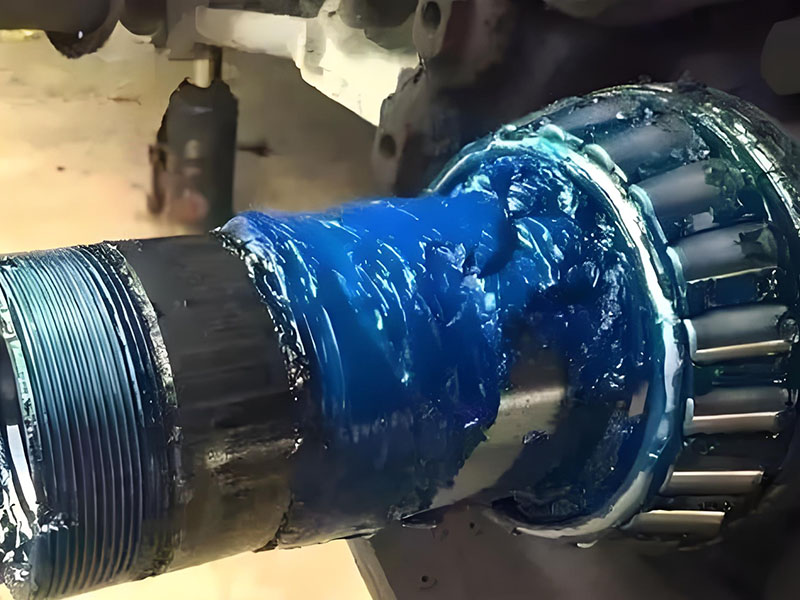
- Lubrication: Apply a thin, high-temperature-resistant grease to the input shaft splines and the surface the bearing slides on. Never over-grease.
- Alignment and Torque: Use a clutch alignment tool to center the clutch disc. Tighten all pressure plate and bell housing bolts to the manufacturer’s specified torque to avoid misalignment.
Service Life and Influencing Factors
Typical Lifespan: 50,000 to 100,000 Miles
Under normal driving conditions, a quality clutch release bearing should last between 50,000 and 100,000 miles. However, this is not a guarantee, as several factors can drastically reduce its life.
Factors Affecting Wear:
- Operating Temperature: Extreme heat from heavy towing or aggressive driving degrades lubricant and metal components.
- Heavy Loads: Vehicles that frequently carry heavy loads or tow trailers place continuous high stress on the clutch assembly.
- Frequent Clutch Engagement: City driving, stop-and-go traffic, or “riding the clutch” dramatically increases the number of engagement cycles.
Essential Maintenance Tips
While the clutch release bearing is a wear item that will eventually need replacement, you can maximize its service life with these practices:
- Regular Lubrication: For vehicles with a serviceable sleeve or fork pivot points, use a high-quality, high-temperature grease during routine maintenance. For sealed units, no lubrication is possible, so preventative care is key.
- Avoid Overheating: Minimize “riding the clutch,” especially when starting on hills or in heavy traffic. This practice generates unnecessary heat and accelerates wear.
- Regular Inspection: If you notice any of the failure symptoms mentioned earlier, have the system inspected immediately. A bearing noise today can lead to a clutch and flywheel replacement tomorrow.
Conclusion
The clutch release bearing may be a small part, but its role in the smooth and reliable operation of your vehicle’s drivetrain is monumental. Understanding its function, recognizing the early signs of failure, and adhering to correct installation and maintenance procedures are essential steps to avoiding unexpected breakdowns and costly repairs.
From the materials used in its construction to the precision of its assembly, every detail matters in how this component performs under stress. For applications demanding the highest reliability—from standard passenger vehicles to the most punishing heavy-duty environments—choosing a bearing engineered for durability is not just an option, it’s a necessity. By prioritizing quality and informed maintenance, you can ensure that your clutch release bearing continues to perform its critical function, mile after mile.