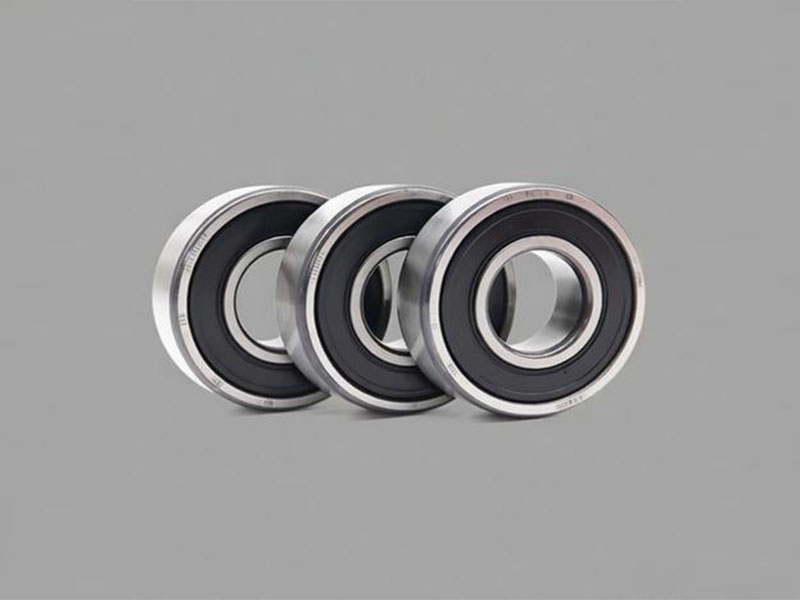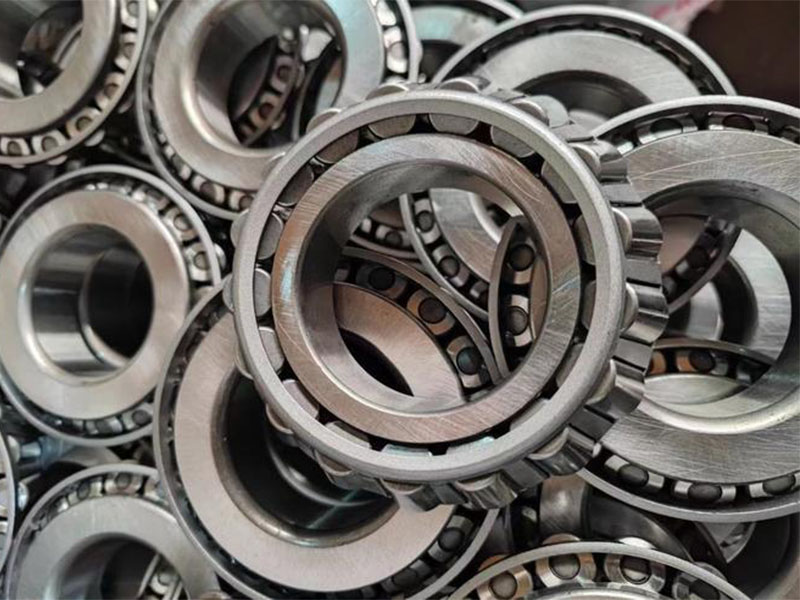
The universal joint, or U-joint. For drivers of rear-wheel-drive vehicles, trucks, and SUVs, U-joints are the critical link between your transmission and differential. But like all mechanical components, they wear out. So, when should U-joints be replaced? Ignoring the early warning signs isn’t just a maintenance oversight—it’s a gamble that can lead to catastrophic drivetrain failure. DUHUI will cover the definitive signs of a failing U-joint, the consequences of neglect, and how to proactively inspect your vehicle to avoid being stranded on the side of the road.
Why U-Joints Matter: Function and Importance
To appreciate why timely replacement is crucial, it helps to understand the job of a U-joint. The engine and transmission are rigidly mounted to the vehicle’s frame, while the rear axle moves up and down with the suspension. The driveshaft must connect these two points while accommodating constant changes in angle and length. U-joints use precision needle bearings to allow this smooth, high-speed rotation.
At DUHUI Bearing, we understand that the precision engineering required for a high-quality U-joint mirrors that of a wheel hub bearing. Both must withstand immense stress, rotational force, and environmental contamination to ensure vehicle safety and performance. A failure in either component compromises the integrity of your entire drivetrain.
The Two Core Signals That Replacement is Urgent
Your vehicle will rarely fail silently. It communicates through sounds and sensations. Here are the two primary signals that your U-joints are failing.
Audible Warning: A Pronounced Clunking or Squeaking Noise
One of the most common and unmistakable signs of a worn U-joint is a distinct noise during gear changes.
- Specific Symptoms: You may hear a loud “clunk” or “thud” when shifting from Park to Drive or Park to Reverse. Alternatively, a rhythmic “squeak” or “chirp” might accompany low-speed driving, often speeding up as the vehicle accelerates.
- Root Cause Analysis: U-joints contain needle bearings housed within bearing caps. As these bearings wear down or break, excessive play develops inside the joint. This “slack” causes the metal yokes to slam together during torque changes, creating the clunking sound. The squeaking is often the sound of dry, rusted needles grinding against the cap.
Tactile Warning: Driveline Vibration and Shudder
If the U-joint has seized (lost its ability to pivot) or is severely worn, it will no longer allow the driveshaft to rotate in a perfect circle.
- Specific Symptoms: You’ll feel a vibration or shudder that resonates through the floorboard or seat. This vibration typically worsens during acceleration or becomes most noticeable at specific highway speeds, such as between 50 and 70 mph.
- Root Cause Analysis: A seized U-joint forces the driveshaft to rotate in an elliptical pattern. This “whip” action creates a violent vibration that not only makes for an uncomfortable ride but also transmits destructive harmonic forces to the transmission and differential.
What Happens If You Don’t Replace a Failing U-Joint?
Postponing a U-joint replacement is a classic case of “pay me now, or pay me much, much more later.” The failure of a $20 to $100 component can cascade into thousands of dollars in repairs.
Catastrophic Drivetrain Damage
Broken Driveshaft: If the U-joint completely fails (the caps break or the cross shatters), the driveshaft can detach from the vehicle. At highway speeds, this is known as a “pole-vaulting” scenario, where the loose driveshaft digs into the pavement, causing the rear of the vehicle to lift violently. This results in severe undercarriage damage and a high risk of rollover.
Transmission Damage: A vibrating or binding driveshaft puts immense strain on the transmission output shaft. This often leads to a worn output shaft bushing, a damaged seal that causes fluid leaks, and ultimately, internal transmission failure.
Differential Damage: A failing rear U-joint will transfer vibration directly to the differential pinion gear. This commonly damages the pinion seal (causing leaks) and the pinion bearings. Once the pinion bearings fail, the differential requires a costly rebuild or replacement.
Escalating Safety and Financial Risks
The financial reality is stark. A routine U-joint replacement typically costs between $150 and $400 in parts and labor. Conversely, a transmission rebuild or differential replacement often ranges from $2,000 to $4,000. Beyond the financial hit, the safety risk is paramount. A driveline failure at highway speeds can lead to a loss of vehicle control, endangering you and other drivers.
Why Do U-Joints Fail? Prevention and Proactive Inspection
Understanding why U-joints fail is the first step in preventing their premature demise.
Common Failure Mechanisms
- Lack of Lubrication: While many modern U-joints are “sealed” and maintenance-free, they still have a finite lifespan. Older, serviceable U-joints require regular greasing. Neglect leads to friction and heat, rapidly destroying the needle bearings.
- Contamination: The rubber seals on U-joint bearing caps are designed to keep grease in and contaminants out. When these seals crack or tear due to age or off-road debris, water, road salt, and dirt enter the joint, causing corrosion and abrasive wear.
- Extreme Operating Conditions: Towing heavy loads, off-roading, or installing suspension lifts increases the operating angles of the U-joint. Operating consistently at extreme angles accelerates wear significantly.
Recommended Inspection Schedule
Don’t wait for the symptoms to become severe. Incorporate U-joint inspections into your regular maintenance routine, ideally every 12,000 to 15,000 miles or during tire rotations.
- Static Check: With the vehicle securely on level ground, the wheels chocked, and the transmission in Neutral, crawl underneath. Grasp the driveshaft firmly and try to rotate it. There should be no rotational play. Any clunk or movement indicates a worn U-joint.
- Visual Check: Inspect the bearing caps at each end of the U-joint. Look for “rust dust”—a fine, reddish-brown powder. This is a telltale sign that the internal needle bearings are grinding themselves into dust.
- Dynamic Check: In a safe, open area, drive the vehicle slowly forward and backward, rapidly accelerating and decelerating slightly. Listen for the distinct clunk that signifies excessive driveline slack.
Conclusion
U-joints are the silent workhorses of your vehicle’s drivetrain. Knowing when they should be replaced is key to avoiding unexpected breakdowns and financially devastating repairs. By paying attention to the clunks and vibrations, and by performing regular visual and static inspections, you can stay ahead of failure.