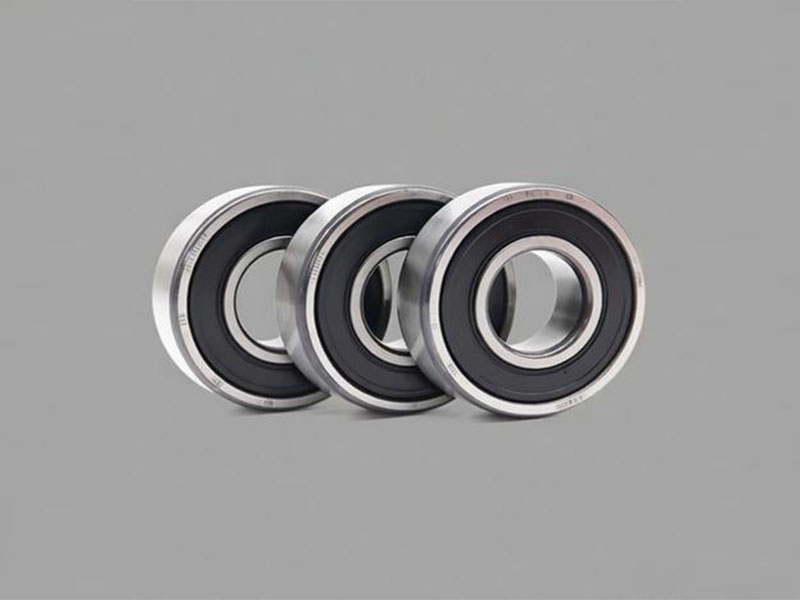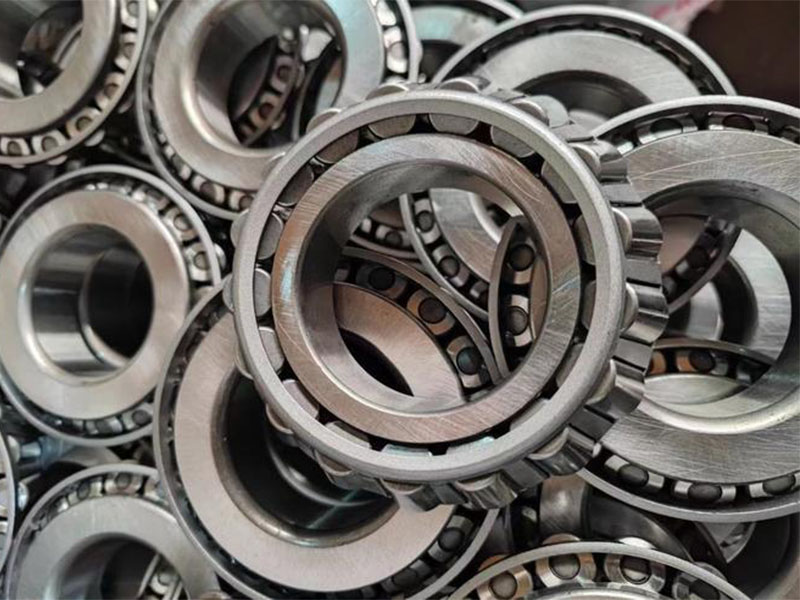
A bad wheel hub Assembly isn’t just noisy—it can compromise vehicle safety and handling. Symptoms like a humming or grinding sound that changes with speed, an illuminated ABS light, or a loose steering feel often point to a failing wheel bearing or hub assembly.
But here’s the real question: How do you know it’s the wheel hub and not something else like a worn CV axle or tie rod?
In this guide, we’ll walk you through a clear diagnostic process and help you choose a reliable replacement from a quality wheel hub manufacturer.
How to Diagnose a Bad Wheel Hub Assembly
One of the first signs of a bad wheel hub is noise, but identifying which wheel is affected requires a systematic approach.
The Listening Method
When you hear a grinding or growling sound while driving, pay attention to whether it changes during turns.
- If the noise gets louder when turning left, the right-side wheel hub is likely the culprit.
- If it worsens on a right turn, the left-side hub is often the issue.
Road and Speed Testing
A worn wheel hub typically produces noise that increases with vehicle speed, regardless of engine RPM. Unlike engine or transmission issues, the sound is directly tied to wheel rotation. Test this on a smooth road at steady speeds to confirm.
Lift The Vehicle to Identify The Fault Location.
Once you’ve identified the suspected side, it’s time to physically verify the problem.
Preparation
Safely lift the vehicle and support it with jack stands. Ensure the suspension and steering components are not under tension.
Brake System Removal (If Needed)
In some vehicles, removing the brake caliper and rotor may be necessary to access the hub assembly and eliminate brake-related false positives.
Wheel Hub Shake Test
With the wheel off the ground, grasp it at the 12 and 6 o’clock positions and rock it back and forth.
- Excessive play indicates a worn wheel hub bearing.
- Repeat at 3 and 9 o’clock to check for tie rod issues.
Exclude Related Components
Not all looseness comes from the hub. A worn ball joint or control arm bushing can mimic wheel bearing symptoms. Isolate the hub by checking for movement between the knuckle and the hub itself.
When Replacement Becomes Necessary
Ignoring a bad wheel hub can lead to wheel separation, compromised ABS function, and uneven tire wear. Replacement is necessary when:
- The noise is consistent and load-dependent
- There is measurable play in the wheel hub
- The ABS sensor is integrated and showing erratic signals
- The bearing feels rough when rotated by hand
Repair Strategy
If one wheel hub is worn, the opposite side may also be nearing the end of its service life. While not always required, replacing hubs in pairs—especially on the same axle—is a common practice for maintaining balanced performance and safety.
How to Choose a High-Quality Wheel Hub Assembly
Not all replacement hubs are built the same. Choosing the right one affects safety, longevity, and fitment. Here are five core elements to look for:
1. High-Strength Steel Construction
A quality wheel hub uses precision-machined steel housing to withstand impact and corrosion. Weak materials lead to premature failure.
2. Preloaded Hub Bearings
Preloading eliminates internal clearance in the bearing, reducing noise and extending life. This is a hallmark of OE-quality hub assemblies.
3. Roll-Formed Hub
Roll forming secures the bearing race under high pressure, preventing loosening over time—a critical factor for modern hub units.
4. OE-Type ABS Sensor
An integrated sensor must match OEM signal specifications. Poor-quality sensors can cause false ABS activation or failure to trigger.
5. Triple-Lip Premium Seal
Contaminants are a leading cause of bearing failure. A triple-lip seal keeps water, salt, and dirt out while retaining grease.
When sourcing replacement hubs, choose a professional wheel hub bearing manufacturer with proven OE-matching capabilities. This ensures not only dimensional accuracy but also material and assembly quality.
Conclusion
Diagnosing a bad wheel hub correctly saves time and prevents unnecessary part replacements. From noise identification to physical shake tests, a methodical approach helps you pinpoint the exact failure. Once confirmed, choosing a high-quality hub assembly—built with strong steel, preloaded bearings, and proper sealing—ensures safe and reliable performance.