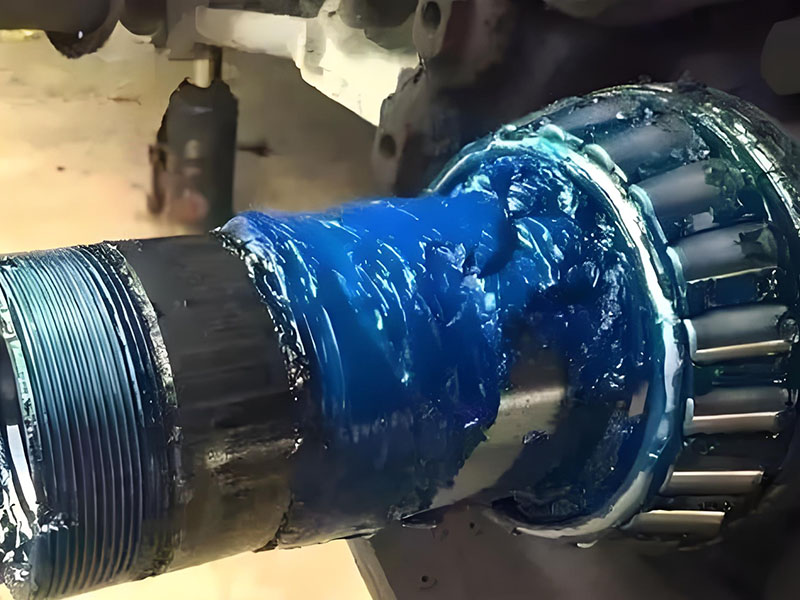
Quick answer: How do you know if your pinion bearing is failing? Listen for a constant high‑pitched whine from the differential at all speeds—unlike a wheel bearing, the noise doesn’t change when you turn. Vibration under load and oil leaks at the pinion seal are also signs. With proper maintenance, pinion bearings typically last over 150,000 miles. Replacement parts cost roughly $50–200, with labor running $400–800.
Many drivers ask: “How can I tell if the whining noise from my rear end is a bad pinion bearing or something else?” Pinion bearing failure is a common drivetrain issue in rear‑wheel drive, all‑wheel drive, and four‑wheel drive vehicles. The pinion bearing supports the pinion gear that transfers power from the driveshaft to the differential ring gear. When this bearing begins to fail, symptoms usually start subtly—a faint whine at highway speeds—then worsen over time. Ignoring these signs can lead to pinion gear wear, ring gear damage, or even differential lockup. This article explains how to recognize bad pinion bearing symptoms, inspect and diagnose the problem accurately, replace worn bearings correctly, and extend service life through preventive maintenance.
What Is a Pinion Bearing and How Does It Work?
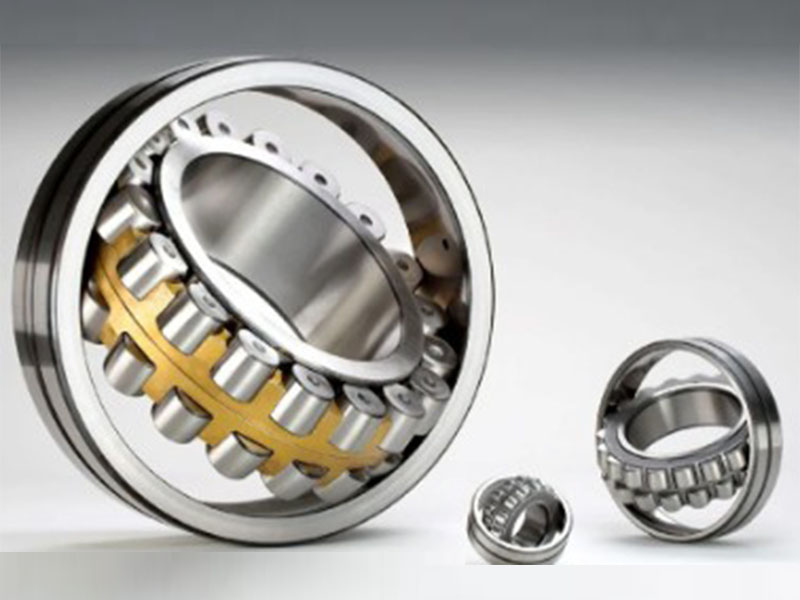
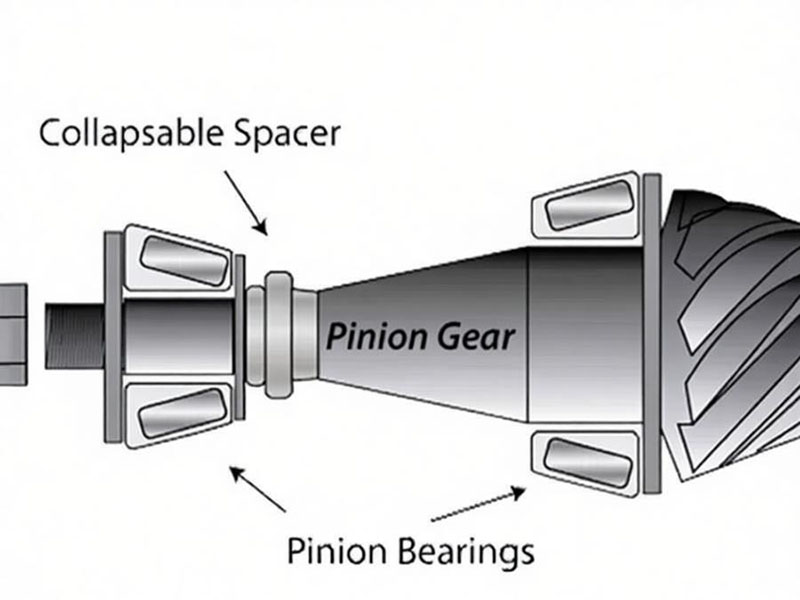
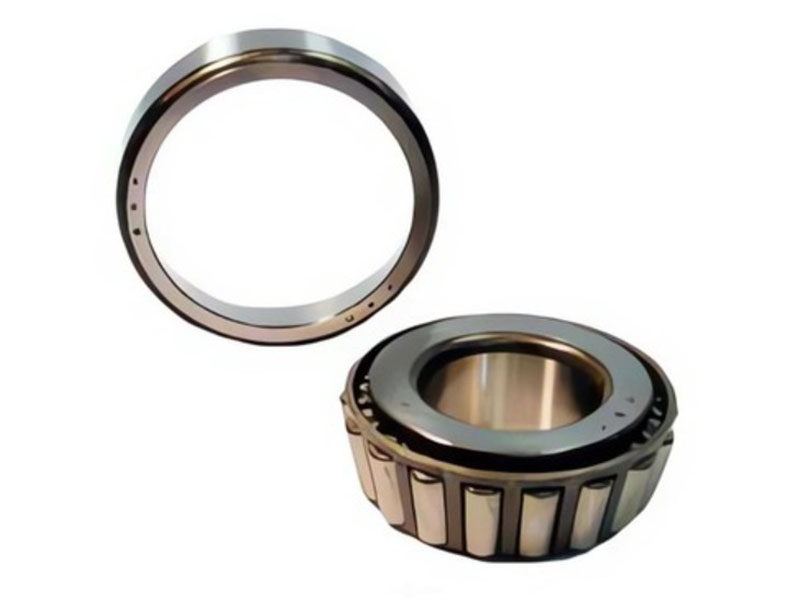
A pinion bearing is a tapered roller bearing located inside the differential housing. It supports the pinion gear, which transfers rotational force from the driveshaft to the ring gear. Pinion bearings must handle both radial loads (from the driveshaft’s rotation) and thrust loads (from the hypoid gear mesh between pinion and ring gear). Most differentials use two pinion bearings: one near the pinion head and another near the companion flange. Together they maintain correct pinion gear depth and bearing preload—both essential for proper gear contact and quiet operation. When these bearings wear, the pinion gear can shift, causing abnormal gear contact patterns, increased noise, and eventual failure of the ring and pinion gear set.
Common Symptoms of Bad Pinion Bearings
Whining, Howling, or Whirring Noises
The most reliable indicator is a high‑pitched whine or “whirring” sound from the differential area at all speeds. Because the pinion rotates several times faster than the carrier, bearing noise tends to be constant but may vary in pitch as speed increases. Unlike gear whine (which changes with acceleration or deceleration), bearing noise is typically present regardless of load.
Drivetrain Vibration
A worn pinion bearing allows excessive play in the pinion shaft. This transmits as vibration through the vehicle floor, seats, or steering wheel, especially under load—uphill driving, towing, or hard acceleration. Vibration usually becomes more pronounced as speed increases.
Oil Leaks at the Pinion Seal
When pinion bearings wear, radial movement of the pinion shaft causes the seal lip to wear unevenly. Signs include wetness around the differential snout, oil sling marks on the undercarriage, or puddles of gear oil.
Excessive Pinion Yoke Play
With the vehicle lifted, grasp the driveshaft yoke and attempt up‑down or in‑out movement. Any noticeable radial play or “clunking” when rotating the yoke indicates worn bearings or incorrect preload.
Metallic Debris in Differential Fluid
During a fluid change, inspect the drain plug magnet or drained oil under bright light. Shiny particles (“glitter”) confirm internal wear and warrant further inspection.
How to Inspect a Pinion Bearing for Wear
A thorough inspection combines visual examination, play measurement, lubricant analysis, and on‑road testing.
Visual Inspection and Fluid Check
Raise the vehicle securely and remove the differential cover. Examine:
- Bearing rollers and races for scoring, pitting, flaking, or galling.
- Pinion gear teeth for unusual wear or chipping.
- Lubricant for water contamination (milky color), burnt odor, or metal particles.
Checking Bearing Play and Preload
With the driveshaft disconnected or differential carrier removed:
- Axial play: Attempt to move the pinion shaft in and out. Any detectable movement indicates insufficient preload or worn bearings.
- Rotational preload: Use an inch‑pound torque wrench. Typical readings for used bearings: 20–25 in·lb; new bearings: 35–40 in·lb (always consult manufacturer specifications).
Road Testing and Noise Differentiation
Take the vehicle to a quiet road and note:
- When does the noise occur? All speeds? Only above 45 mph?
- Does steering affect the noise? If noise changes when turning left or right, suspect a wheel bearing, not a pinion bearing.
- Load sensitivity: Pinion bearing noise usually remains constant regardless of acceleration or coasting. Gear whine changes with load—whine only on acceleration suggests incorrect pinion depth; whine only on deceleration suggests backlash or preload issues.
Using a Mechanic’s Stethoscope
With the vehicle safely on a lift and running in gear, touch the stethoscope probe to the differential housing near the pinion area. Louder noise at the pinion compared to axle tubes confirms pinion bearing failure.
Common Causes of Pinion Bearing Failures
Understanding the root cause prevents recurrence.
Poor Lubrication
Low fluid level, water ingress, or degraded gear oil reduces oil film strength, leading to metal‑to‑metal contact, scoring, overheating, and spalling.
Improper Bearing Preload
If preload is too loose, axial movement causes roller impact. If too tight, bearing temperatures rise and lubricant breaks down. On collapsible‑spacer designs, exceeding specification compresses the spacer too far, requiring replacement.
Drivetrain Misalignment or Imbalance
A bent driveshaft, worn universal joints, or misaligned drivetrain imposes cyclic loads that accelerate bearing wear.
Overloading
Exceeding the vehicle’s GVWR increases torque transmitted through the pinion gear, directly raising radial and thrust loads on the bearings.
Improper Installation or Component Selection
Using mismatched bearings, damaging bearings during press‑fit, or failing to replace both pinion bearings together leads to premature failure.
How to Replace Worn Pinion Bearings – Step by Step
Pinion bearing replacement requires precision tools. If not experienced, professional service is recommended.
Preparation
Gather: replacement pinion bearings (front and rear, same manufacturer), new pinion seal, new pinion nut, new collapsible spacer (if applicable), dial indicator, inch‑pound torque wrench, bearing press, correct gear oil.
Step‑by‑Step Replacement Procedure
- Remove pinion assembly. Remove driveshaft, scribe alignment marks, remove pinion nut and flange. Tap pinion shaft out. Remove bearing cups using a brass drift.
- Remove old bearings. Press off rear pinion bearing. Measure and record shim thickness under the rear bearing—critical for correct pinion depth.
- Install new rear bearing. Place selected shim on pinion shaft. Lubricate and press the new rear bearing onto the shaft.
- Assemble pinion into housing. Install new collapsible spacer, insert pinion assembly, lubricate and install front bearing.
- Install new seal and yoke. Install new pinion seal, coat lip with grease, mount companion flange, install new pinion nut.
- Set bearing preload. Tighten pinion nut while rotating the pinion. When endplay reaches zero, check preload. For new bearings, tighten in small increments until preload reaches 35–40 in·lb (or manufacturer spec).
- Verify gear mesh. Apply marking compound to ring gear, rotate assembly. Contact pattern should be centered. If incorrect, adjust pinion depth shims.
- Final assembly. Install differential carrier, torque fasteners, install cover with new gasket, fill with correct gear oil.
Critical Considerations
- Replace both pinion bearings together.
- If preload specification is exceeded, replace the collapsible spacer and restart—never back off the pinion nut.
Preventive Maintenance for Pinion Bearings
- Maintain proper lubricant level and quality. Check differential fluid every 30,000–50,000 miles; change more frequently under severe service (towing, off‑road).
- Address pinion seal leaks immediately to prevent fluid loss.
- Avoid overloading. Stay within GVWR.
- Listen for early warning signs – new noises between 30–50 mph warrant inspection.
- Perform periodic driveline inspections – check universal joints, driveshaft balance, and differential mounts.
Conclusion: Recognizing Pinion Bearing Failure Early
A failing pinion bearing produces a consistent high‑pitched whine, not a rumble that changes when cornering. Vibration under load and oil leaks at the pinion seal are also strong indicators. Early diagnosis—via fluid inspection for metal particles and checking yoke play—allows bearing replacement before the pinion and ring gears are damaged. Regular lubrication maintenance and correct preload during installation are the most effective ways to maximize pinion bearing service life.
Frequently Asked Questions
Q1: Can I drive with a bad pinion bearing?
A1: Short distances at low speeds may be possible, but extended driving is not recommended. Metal debris can damage the ring and pinion gears, and a seized bearing may cause differential lockup while driving.
Q2: How much does pinion bearing replacement cost?
A2: Parts: $50–200. Professional labor: $400–800 or more, due to precise adjustments.
Q3: How do I know if it’s a pinion bearing or a wheel bearing?
A3: Wheel bearing noise changes when turning (louder on the affected side). Pinion bearing noise remains constant regardless of steering angle and is higher‑pitched.
Q4: Is it necessary to replace both pinion bearings at the same time?
A4: Yes. They experience similar wear. Replacing both ensures uniform preload and longer differential life.
Q5: What is the typical lifespan of a pinion bearing?
A5: 150,000 miles or more under normal conditions with proper maintenance.
Q6: Will a bad pinion bearing cause the check engine light to come on?
A6: No. The check engine light monitors engine and emissions systems, not differential components.
Q7: Do front‑wheel drive vehicles have pinion bearings?
A7: No. Pinion bearings are found in rear‑wheel drive, all‑wheel drive, and four‑wheel drive vehicles. Front‑wheel drive vehicles use transaxles with different bearing configurations.
DUHUI Bearing manufactures high‑quality wheel hub bearings and differential bearings for passenger cars and light trucks. For technical specifications or replacement part inquiries, contact our engineering team.