
Key Characteristics
Roller bearings utilize cylindrical, tapered, spherical, or needle‑shaped rolling elements. Line contact with raceways distributes loads across a larger area than ball bearings.
Manufactured from vacuum‑degassed 52100 chromium steel or case‑hardened alloys. Many designs have separable rings for independent mounting.
Standard configurations include single‑row, double‑row, and full‑complement types without cages.
Performance Benefits
- Higher load capacity – Line contact geometry supports substantial radial forces in reducers, fans, and rolling mills without permanent deformation.
- Improved durability – Through‑hardened chrome steel or case‑carburized alloys resist subsurface fatigue, extending service intervals under shock loads.
- Reduced frictional losses – Optimized roller profiles (crowned or logarithmic) minimise sliding friction, lowering energy consumption and operating temperature.
- Accommodate misalignment – Specific types (e.g., spherical roller bearings) permit angular shaft deflection up to 2°, critical for long conveyor or deflected shafts.
- Quiet operation – Precision‑ground rolling elements and machined brass/steel cages reduce vibration signatures in high‑speed spindles and electric motors.
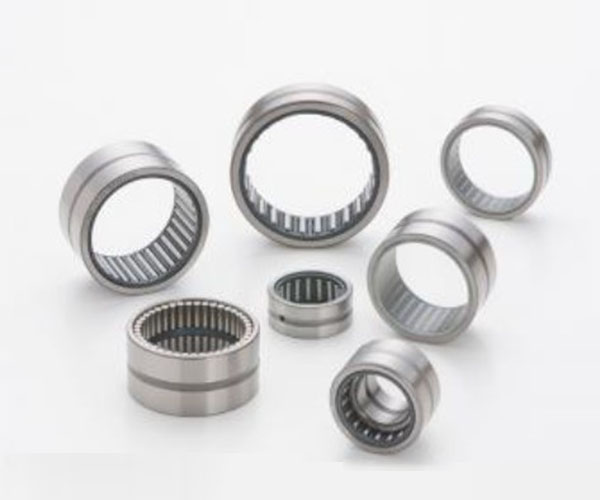
What Are Roller Bearings?
Roller bearings are mechanical assemblies where cylindrical, tapered, spherical, or needle‑shaped rolling elements transfer load between inner and outer rings. Unlike ball bearings that rely on point contact, roller bearings use line contact. This geometry increases the contact area, enabling support of heavier radial loads with reduced contact stress.
Design and Structure
A standard roller bearing comprises four main components: inner ring, outer ring, rolling elements (rollers), and a cage (retainer). The cage spaces rollers evenly, preventing metal‑to‑metal contact and allowing proper lubricant distribution. Depending on the application, retainers are made from stamped steel, machined brass, polyamide, or advanced polymers.
Working Principle
When a shaft rotates, the inner ring transmits motion to the rollers. The rollers roll along the raceways (inner and outer ring tracks). This rolling motion converts sliding friction into significantly lower rolling friction. For tapered roller bearings, the cone angle creates a reaction that accommodates both radial and axial (thrust) forces simultaneously. Cylindrical designs allow axial shaft expansion by letting one ring slide relative to the rollers.
Extended Advantage Overview
Because of the distributed line contact, roller bearings exhibit higher rigidity and resistance to fatigue spalling. They are calibrated to operate with ISO tolerances (P0, P6, P5, or P4) depending on speed and runout requirements. Proper internal clearance (C2, CN, C3, C4) must be matched to shaft fit, housing fit, and thermal expansion to prevent preload or excessive play. These technical attributes make roller bearings the standard choice for gearboxes, electric motors, conveyors, axles, and industrial pumps.
Roller Bearing Types and Series
Selecting the correct roller bearing type depends on load direction (radial vs. axial), alignment conditions, speed, and available mounting space. The tables below separate product families by geometry and application.
- Roller Bearing Types
- Tapered Roller Bearings Series
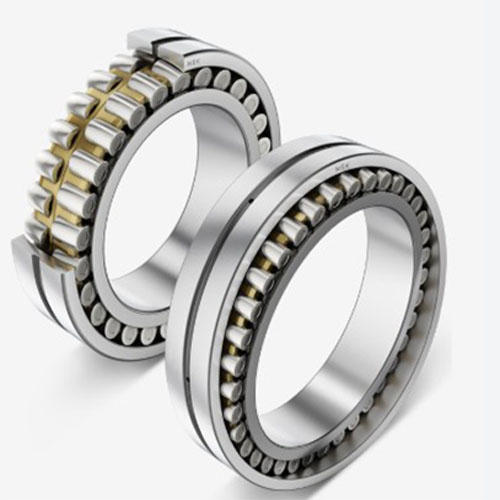
- Cylindrical Roller Bearings Series
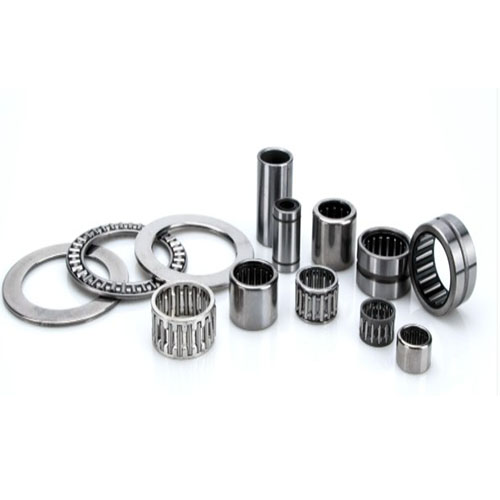
- Needle Roller Bearings Series
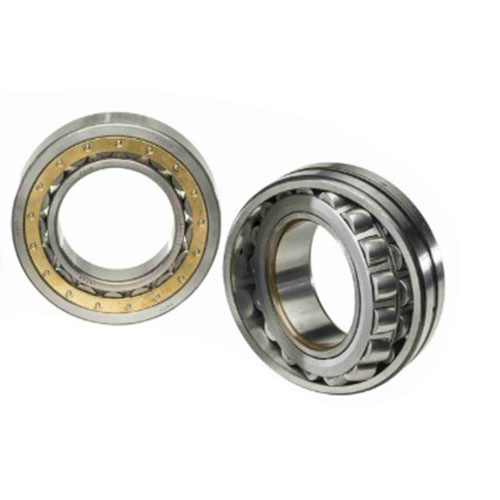
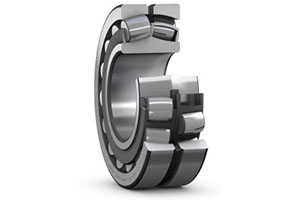
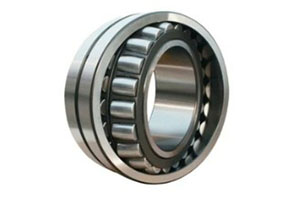
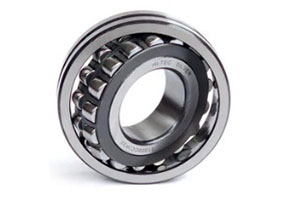
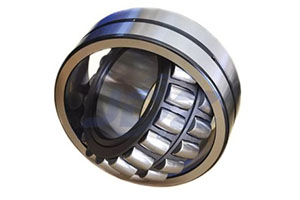
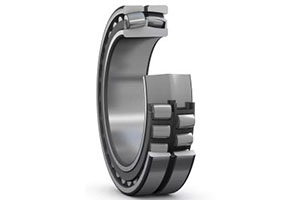
- Spherical Roller Bearings Series
Roller Bearing Types
Four primary roller bearing geometries exist, each optimised for specific load directions, misalignment conditions, and speed requirements. The sections below summarise their distinct characteristics.
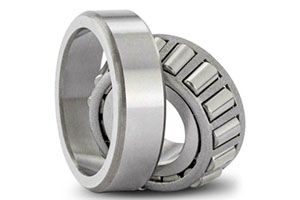
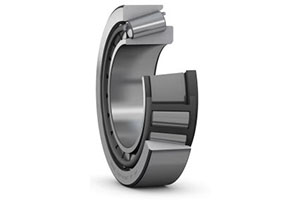
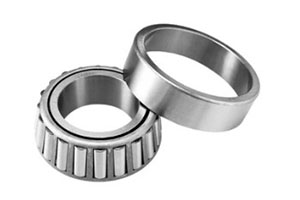
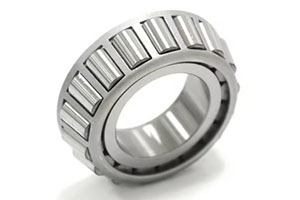
Conical raceways with separable cup and cone assembly. Designed to support combined radial and axial thrust loads simultaneously. Common in automotive wheel hubs, differentials, and industrial gearboxes where load direction changes during operation.
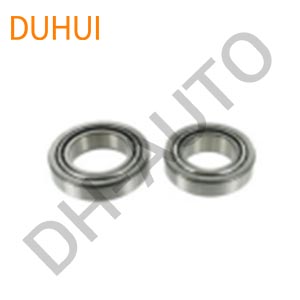
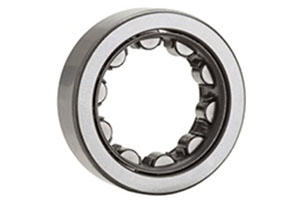
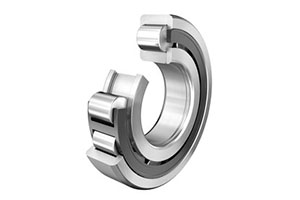
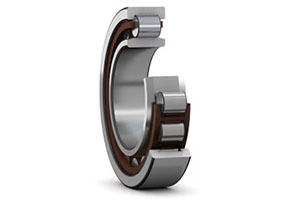
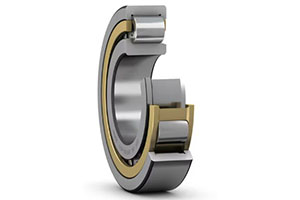
Pure radial load components with line contact and low friction. Certain designs (NU, N) permit axial shaft displacement to accommodate thermal expansion. Suitable for electric motors, fans, pumps, and industrial gearboxes requiring high radial stiffness.
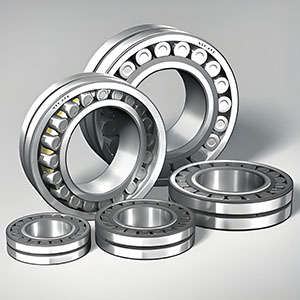
Double‑row, barrel‑shaped rollers with a sphered outer ring raceway. Self‑aligning capability compensates for angular misalignment up to 2° and shaft deflection. Used in crushers, vibrating screens, conveyors, and paper machinery.
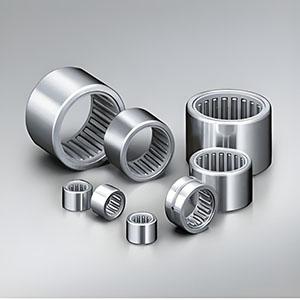
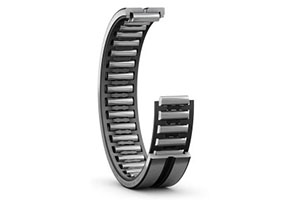
Long, thin rollers with a high length‑to‑diameter ratio (>4). Extremely compact cross‑section for high radial load capacity in limited radial spaces. Often mounted directly on hardened and ground shafts without an inner ring.
Tapered Roller Bearings Series
Metric tapered roller bearing series listed below follow ISO width and diameter series. Each series differs in load rating, width profile, and typical application.
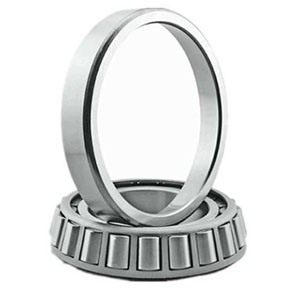
33000 series – Medium metric tapered roller bearing with balanced load handling. Designed for wheel hubs, chain hoists, and agricultural machinery that require moderate radial and axial capacity.
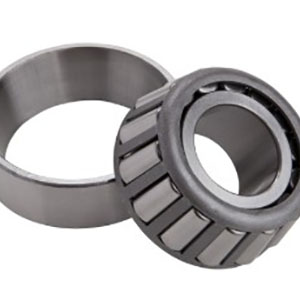
32200 series – Medium‑wide metric tapered roller bearing. Provides high radial and axial rigidity. Used in automotive wheel hubs and heavy conveyor systems where space allows wider profile.
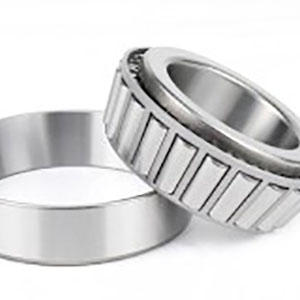
30200 series – Light metric tapered roller bearing with reduced cross‑section. Intended for steering stems, trailer wheels, and small gearboxes operating under lighter duty cycles.
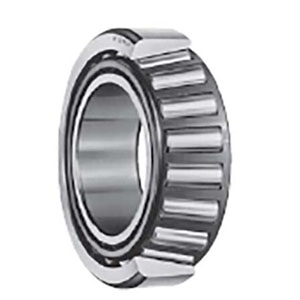
33100 series – Compact metric tapered roller bearing for confined mounting spaces. Suitable for conveyors, transmissions, and agricultural equipment where envelope dimensions are restricted.
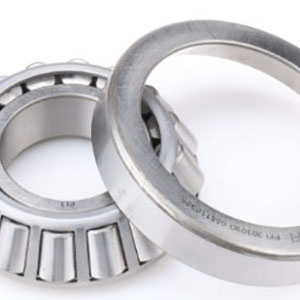
30300 series – Medium metric tapered roller bearing featuring a robust rib design. Handles heavy loads in truck differential pinions and tractor front hubs without premature wear.
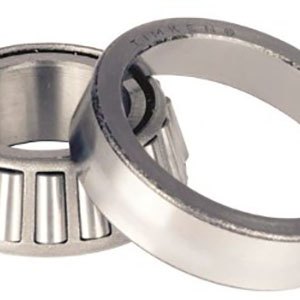
33200 series – Heavy‑duty metric tapered roller bearing with high moment rigidity. Specified for mining gearboxes and heavy industrial gear drives requiring resistance to overturning moments.
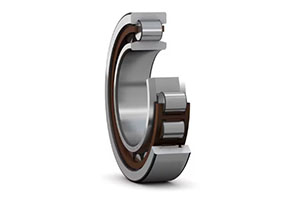
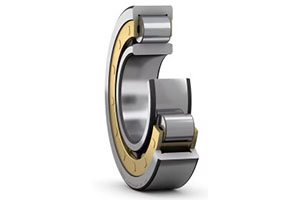
Cylindrical Roller Bearings Series
Flange configuration and ring design determine whether the bearing provides axial location or allows shaft expansion relative to housing.
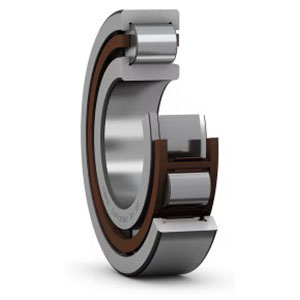
NJ200 series – Features integral side flanges on the outer ring for one‑way axial guidance. Applied in screw compressors and rolling mills where controlled axial movement is needed.
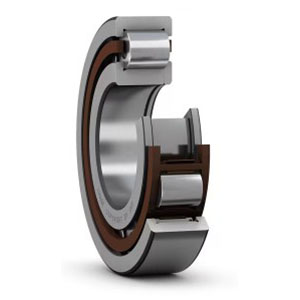
NUP200 series – Includes a lock ring on the inner ring for full axial location. Locks the shaft in both directions, used in hydraulic pump drives and precision positioning systems.
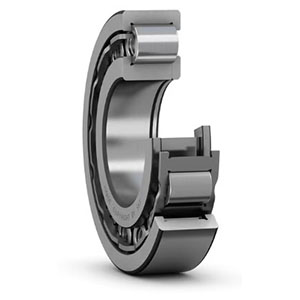
NU300 series – Heavy separable cylindrical roller bearing designed for easy field maintenance. Found in large industrial fans, extruder screws, and centrifuge shafts.
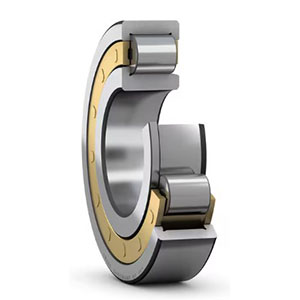
NJ300 series – Heavy axial‑locating bearing with high rigidity. Suitable for rolling mill work rolls and paper machine drying cylinders that demand precise shaft guidance.
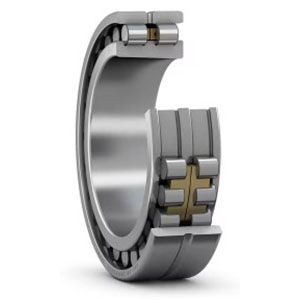
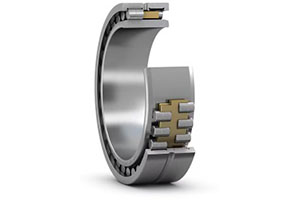
NN3000 series – Double‑row configuration with high radial stiffness. Common in machine tool spindles and precision boring mills where deflection must be minimised.
Needle Roller Bearings Series
Long, thin rollers maximise radial load capacity within limited cross‑sections. Construction varies between drawn cup, solid ring, and yoke types.
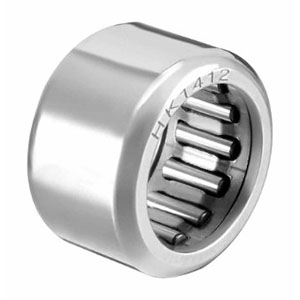
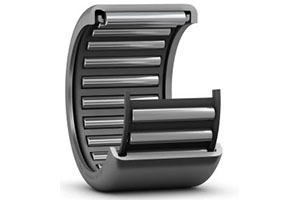
HK series – Drawn cup needle roller bearing with open ends. Compact and lightweight, used in automotive transmissions and two‑stroke engine connecting rods.
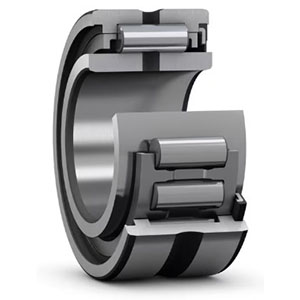
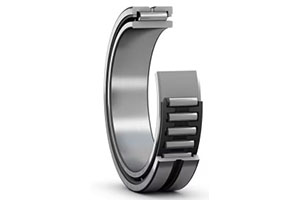
NA4900 series – Includes a full inner ring, allowing direct mounting on standard shafts. Supports both radial and moderate axial loads. Used in automotive pumps and general machinery.
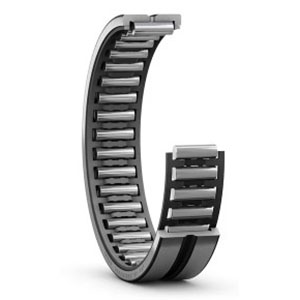
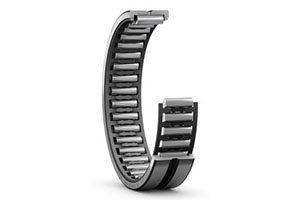
RNA4900 series – Without inner ring. Optimised for use directly on hardened and ground shafts. Common in transmission gear shafts where space is extremely limited.
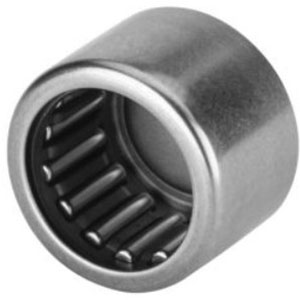
BK series – Drawn cup needle roller bearing with one closed end. Provides containment of lubricant and exclusion of coarse contaminants. Used in some electric motor designs.
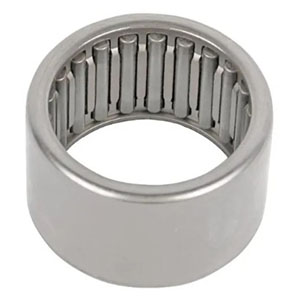
SCE series – Inch‑dimension drawn cup needle roller bearings. Designed for heavy loads in compact spaces. Popular in U.S. market industrial gearboxes and power tools.
Spherical Roller Bearings Series
Barrel‑shaped rollers and a sphered outer raceway provide self‑alignment. These series differ in width, roller size, and load capacity for varied misalignment conditions.
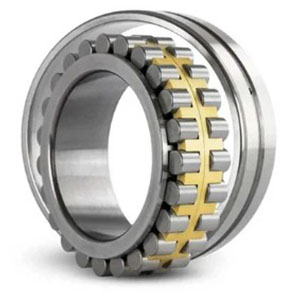
230 series – Compact spherical roller bearing offering high load capacity relative to its size. Ideal for paper machinery and general industrial gearboxes with space constraints.
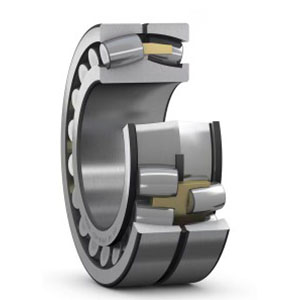
232 series – Extra‑heavy spherical roller bearing with increased stiffness. Suitable for vibratory applications and large mining crushers where shock loads are frequent.
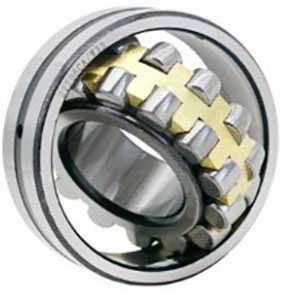
213 series – Light spherical roller bearing series for modest radial loads with misalignment. Found in small industrial gearboxes where self‑alignment is required but loads are low.
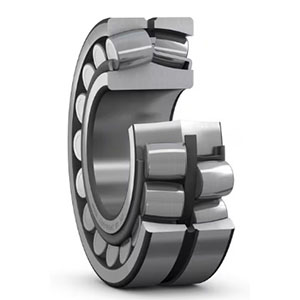
222 series – Symmetrical spherical roller bearing for medium‑heavy radial loads. Self‑aligning design suits conveyors, crushers, and vibrating screens with moderate misalignment.
Roller Bearing Materials
Material selection directly affects dynamic load rating, fatigue life, temperature range, and corrosion resistance. Below are three standard grades for industrial and specialised applications.
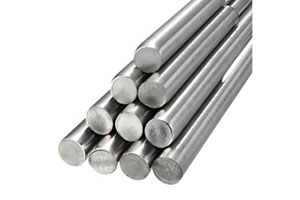
Standard bearing steel with approximately 1% carbon and 1.5% chromium. Through‑hardened to 60-66 HRC. Offers excellent wear resistance, high rolling contact fatigue strength, and dimensional stability up to 150°C (302°F). Used in the majority of commercial roller bearings for automotive, agricultural, and general industrial applications.
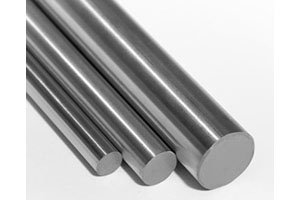
Martensitic stainless steel with 16-18% chromium. Achieves hardness of 58-62 HRC after heat treatment. Provides moderate corrosion resistance for food processing, medical instruments, and marine equipment. Dynamic load capacity is approximately 15‑20% lower than 52100 steel.
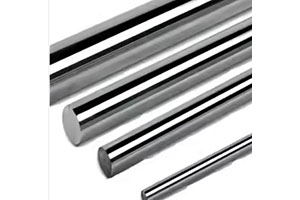
Through‑hardened alloy steel designed for elevated temperature stability up to 525°C (975°F). Retains hardness and dimensional accuracy under extreme thermal gradients. Used in aerospace gas turbine engines, high‑speed spindles, and demanding industrial applications where 52100 steel loses properties.
Applications
Industry‑specific configurations address load cycles, contamination exposure, temperature, and rotational accuracy.

Wheel hubs, transmission shafts, differentials. Combined radial and axial thrust loads with moderate speeds.
Tillage tools, balers, harvesters. Tapered and spherical bearings tolerate dirt ingress and shock loads.
Gearboxes, pumps, conveyors, fans. Cylindrical roller bearings provide low‑friction radial support for continuous operation.
X‑ray tubes, surgical hand tools, dental drills. 440C stainless bearings for sterilisation compatibility and low noise.
Landing gear, engine mounts, flight controls. M50 tool steel bearings handle extreme temperature ranges and high rpm.
Mining screens, crushers, excavators. Spherical roller bearings self‑align under unavoidable shaft deflection and vibration.
Article Module: Product Comparisons
Technical notes to guide bearing selection based on geometry and load profile.
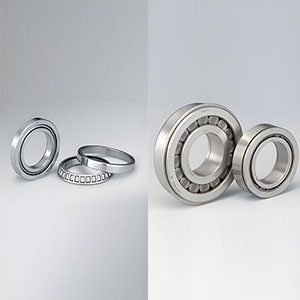
Cylindrical roller bearings dominate pure radial load, high‑speed scenarios due to their low friction and axial displacement capability. Tapered roller bearings are mandatory for combined radial and axial (thrust) loads, as the cone angle creates a resultant axial force that must be opposed by a second bearing.
For more details, please read“Tapered vs. Cylindrical Roller Bearings”
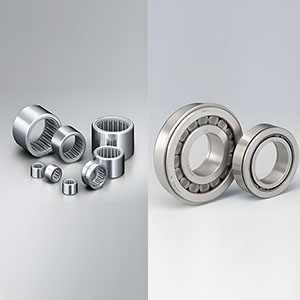
Cylindrical roller bearings use larger‑diameter rollers for higher shock load absorption and are available in separable designs. Needle roller bearings have a length‑to‑diameter ratio >4, offering the highest load capacity for minimal cross‑sectional space but require hardened, ground raceways (integrated shaft or inner ring) to prevent fluting.
For more details, please read“Cylindrical vs. Needle Roller Bearings”
Related Products
High‑performance metric series with dimensional data and application notes.
Failure Diagnosis Guide
The accurate diagnosis of a bearing failure is imperative to prevent repeated failures and their additional expenses. This comprehensive guide to bearing failures outlines the many ways bearings can and do fail.
Common failure modes include:
- Fatigue spalling – Subsurface cracks originating below the raceway, typically from overload or improper lubrication.
- Abrasive wear – Hard particles (dust, metal chips) entering the lubricant, causing a dull, matte surface finish.
- Adhesive wear (smearing) – Localised welding and tearing due to insufficient oil film thickness or high acceleration.
- Fretting corrosion – Small relative oscillatory motion between rings and shaft/housing, producing red‑brown oxide debris.
- Electrical fluting (EDM) – Washboard pattern on raceways caused by stray shaft currents; requires ceramic hybrid bearings or shaft grounding.
- Brinelling – Permanent raceway indentations from static overload or impact mounting. False brinelling occurs from vibration during transport.
Corrective actions require verifying mounting tolerances, lubricant cleanliness, internal clearance (C3/C4), and alignment. Regular vibration analysis and oil debris monitoring can detect early‑stage failures before catastrophic damage.
Yes. Most large industrial bearings (spherical, cylindrical, tapered) can be reconditioned by grinding raceways and replacing rolling elements. Restored bearings often achieve as‑new tolerances (ISO P0 or better) at 30‑50% of replacement cost.
For more details, please read“Can Bearings Be Refurbished?”
Shields (metal, typically Z or ZZ) are non‑contact, offering low friction but limited contamination exclusion. Seals (rubber, 2RS) are contact‑type, providing much better protection against dust and moisture but generate higher torque.
For more details, please read“The Difference Between Shielded and Sealed Bearings ”
ABEC (Annular Bearing Engineering Committee) standards define dimensional and running tolerances for ball bearings (ABEC 1, 3, 5, 7, 9). For roller bearings, the equivalent standard is RBEC (Roller Bearing Engineering Committee) or ISO tolerance classes P0, P6, P5, P4.
For more details, please read“What is the ABEC Rating?”
Indirectly. Tighter tolerances reduce geometric runout and vibration excitation, which lowers acoustic noise. However, lubricant type, cage design, and internal clearance have equal influence on perceived noise levels.
For more details, please read“Does a higher ABEC rating mean a quieter bearing?”
Define load direction (radial, axial, or combined), magnitude, speed, operating temperature, and misalignment tolerance. Then match bearing type, internal clearance (C2‑C4), cage material, and accuracy class to those parameters.
For more details, please read“How can I ensure I select the right bearing for my application?”
No universal “best”. For electric motors: polyurea‑thickened mineral oil (NLGI grade 2). For high temperature (>150°C): PFPE (perfluoropolyether) or high‑viscosity ester oils. For food processing: NSF H1‑registered greases. Always follow original equipment manufacturer (OEM) specifications.
For more details, please read“What bearing grease is the best?”