

Basic Definitions
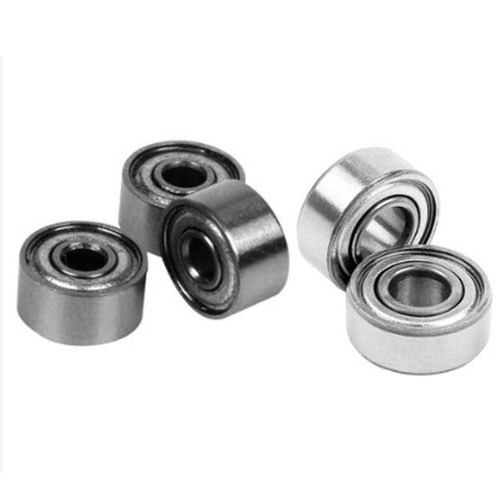
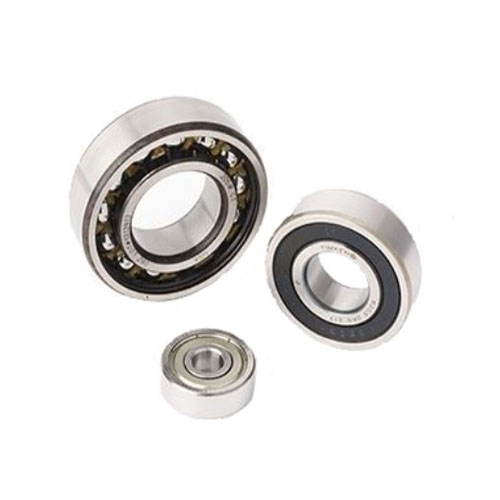
Miniature ball bearings are precision rolling-element bearings with outer diameters typically up to 9 mm for metric series and up to 9.525 mm for inch series. They are designed to reduce rotational friction while supporting both radial and axial loads in space-constrained applications.
These bearings offer internal radial clearance options from MC1 through MC6, allowing engineers to select the appropriate internal fit based on shaft tolerances and operating temperature ranges. The choice of clearance influences the effective preload and axial stiffness. Tolerance classes range from ABEC-1 for general industrial use up to ABEC-7 and higher for precision instrument applications.
Professional Advantages
A Broad Range of State of The Art Products — Metric series including 60, 62, 68, 69, and MR series. Inch series R-series also available. Both open and sealed configurations.
Ultra-precision Machining Technology — Raceway roundness and surface finish are machine-controlled to sub-micron accuracy. Ball sphericity is inspected at every production stage.
Consistently Superior Quality Worldwide — All batches meet dimensional and vibration standards. SPC methodology monitors critical parameters throughout the manufacturing process.
Global R&D Activity — Engineering support from initial specification through volume production. Custom designs are reviewed for feasibility and manufacturability.
Design Features of Miniature Ball Bearings
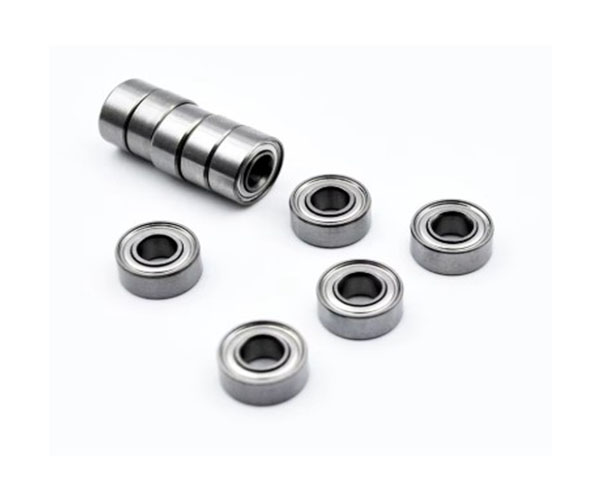
Single-row deep-groove miniature ball bearings incorporate several design features that directly influence performance, service life, and ease of installation.
Extended inner rings and flanged outer rings simplify mounting in applications where conventional housing designs are impractical. Extended inner rings eliminate the need for separate spacers or washers by providing a wider contact surface with the shaft. Flanged outer rings allow direct snap-fit or press-fit installation into counterbored housings, removing the requirement for retaining rings or complex clamping mechanisms.
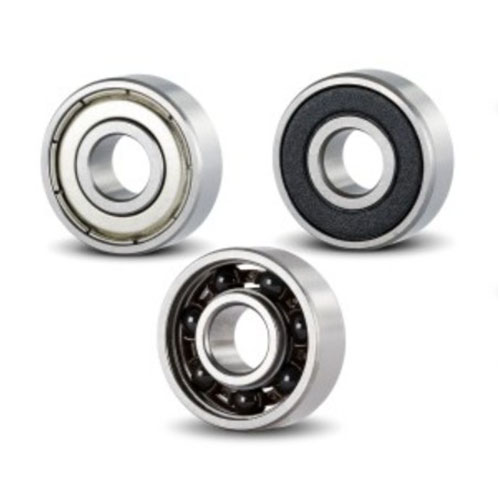
Shields and seals provide contamination protection based on operating conditions. ZZ-type non-contact metal shields allow higher speeds with minimal torque increase while preventing ingress of larger particles. They are appropriate for indoor equipment and controlled environments. 2RS-type contact rubber seals offer near-complete exclusion of moisture and fine dust. However, they generate higher drag torque and have lower maximum speed ratings than shields. For extreme environments, PTFE seals (2TS type) combine wide temperature tolerance with chemical inertness.
Radial play and contact angle variations allow the bearing to be matched to specific application loading and deflection requirements. Standard radial clearances (MC1–MC6) accommodate different fits between the bearing and its mating components. For applications requiring controlled internal clearance, such as precision spindles or encoders, tighter clearance ranges are available.
Ball retainer styles and materials affect torque consistency, speed capability, and operating noise. Pressed steel crown cages provide a balanced combination of strength and low torque for most general-purpose applications. Two-piece riveted cages offer greater durability under vibration and shock loading. Molded nylon cages reduce torque fluctuation and are well-suited for high-speed, low-noise environments.
Factory lubrication options include over 200 standard greases and oils selected for specific operating conditions: temperature extremes, speed requirements, load levels, and contamination risks. Pre-greased bearings are delivered ready for installation, with fill volumes controlled to meet application torque specifications.
Tolerance levels are manufactured to ISO, ABEC, and JIS standards. For applications requiring extreme precision — such as surgical handpieces, optical encoders, or aerospace sensors — higher precision classes are available to minimize shaft runout and vibration.
Miniature Ball Bearing Types and Series
Selection among shield, seal, flange, and PTFE configurations depends on operating contamination, speed, temperature, and maintenance access. Each type offers distinct trade-offs between protection and rotational drag.
- Product Types
- Shielded Type ZZ Series
- Rubber Sealed Type 2RS Series
- PTFE Sealed Type 2TS Series
- Flanged Type F Series
Product Types
Miniature ball bearings are categorized by their closure and mounting design. The four common configurations described below address specific application requirements ranging from high-speed, low-friction operation to extreme chemical resistance and simplified axial mounting.
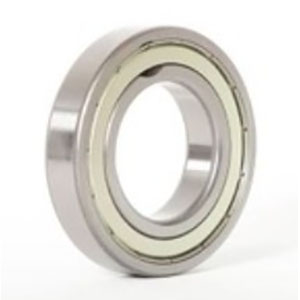
Non-contact metal shields pressed into the outer ring block coarse dust and debris while generating minimal torque increase. Suitable for high-speed operation in indoor equipment such as fans, small motors, and office machines where moisture is not present.
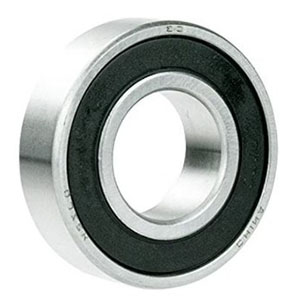
Contact-type nitrile rubber seals maintain light interference with the inner ring, excluding fine dust, water splashes, and most industrial contaminants. They offer superior protection over shields but reduce maximum permissible speed due to higher drag torque.
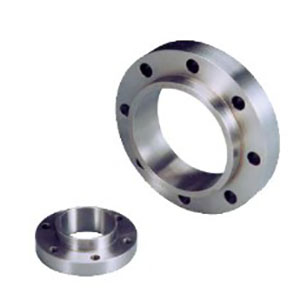
Integral flange on the outer ring eliminates the need for separate housing shoulders, snap rings, or precision counterbores. This simplifies axial positioning and reduces assembly time, particularly valuable in compact devices with limited housing machining.
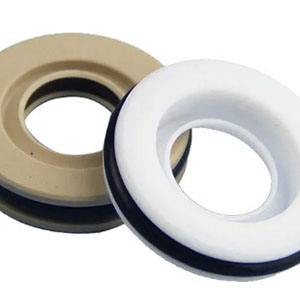
Glass-fiber reinforced PTFE seals resist virtually all chemicals and operate from -100°C to +260°C. They maintain low friction under extreme conditions, specified for pharmaceutical, semiconductor, and laboratory equipment requiring high purity or corrosion resistance.
Shielded Type ZZ Series
The following metric series represent common shielded miniature bearing configurations for high-speed, low-torque applications. Metal shields provide protection against dry particles without contacting the inner ring, allowing unrestricted rotation up to the bearing’s speed limit.
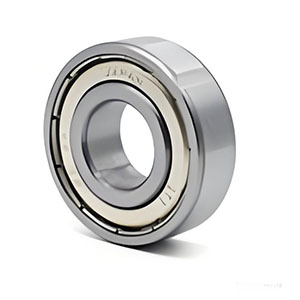
60ZZ series — Metric light series with metal shields. These miniature ball bearings support high-speed operation in small motors, cooling fans, and precision instruments where dust protection is required without significant torque rise.
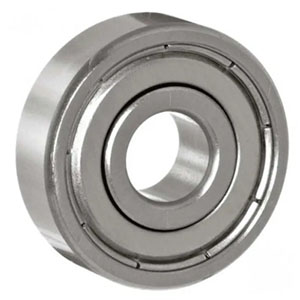
623ZZ series — Very compact dimensions: 3 mm bore, 10 mm OD, 4 mm width. This shielded model is frequently specified for flow meters, desktop printers, and miniature servo actuators.
624ZZ series — A compact 4x13x5 mm shielded bearing. High demand exists for this size in skateboard wheels, small axial fans, and extruder assemblies of desktop 3D printers.
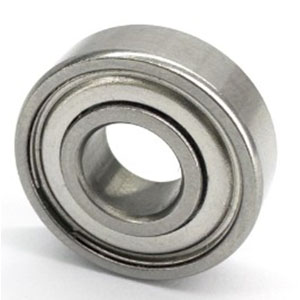
627ZZ series — Lightly loaded 7x22x7 mm shielded bearing. This size has become a standard choice for fidget spinners, miniature electric motors in toys, and low-torque display turntables.
Rubber Sealed Type 2RS Series
Rubber-sealed miniature bearings incorporate dual contact seals made of nitrile rubber. The seal lip rides lightly on the inner ring, providing excellent exclusion of water, fine dust, and most industrial fluids. These bearings arrive pre-greased and are maintenance-free for most service conditions.
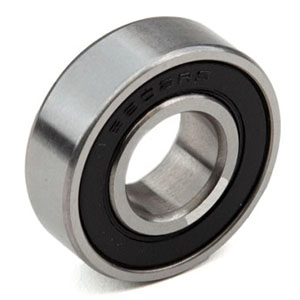
62-2RS series — Medium series with robust sealing against moisture and fine particulates. These rubber-sealed miniature ball bearings are widely installed in agricultural machinery and construction equipment exposed to dirty conditions.
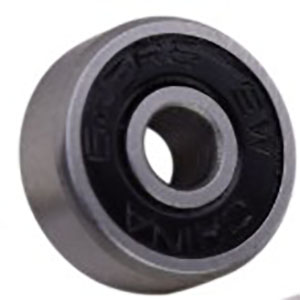
623-2RS series — A tiny 3x10x4 mm contact-sealed bearing. This model suits miniature geared motors, medical infusion pumps, and 3D printer filament drives where maintenance access is limited.
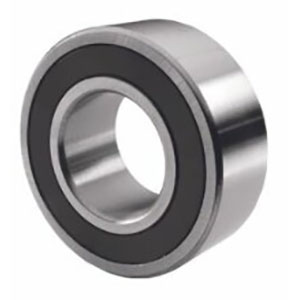
624-2RS series — Compact 4x13x5 mm rubber-sealed bearing. It is commonly selected for small electric drills, hand tools, and robotic grippers operating in dusty factory environments.
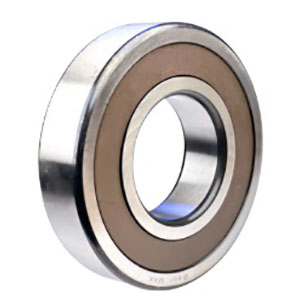
627-2RS series — Standard 7x22x7 mm rubber-sealed bearing. This model sees wide use in desktop fans, children’s ride-on toys, and small electric motors installed in moist or dusty industrial areas.
PTFE Sealed Type 2TS Series
PTFE-sealed bearings replace standard rubber seals with glass-fiber reinforced polytetrafluoroethylene. These seals offer near-universal chemical resistance, a service temperature range from -100°C to +260°C, and very low friction. They are specified where standard seals would swell, harden, or dissolve.
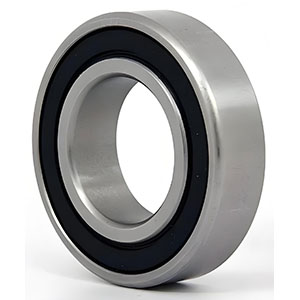
60-2TS series — Light series with low-friction PTFE seals. Their chemically inert construction is specified for instrumentation and laboratory equipment where very low running torque is also required.
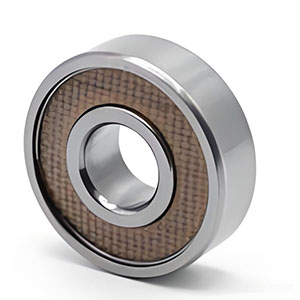
MR-2TS series — Metric extra-small series with dual PTFE seals. These bearings are ideal for miniature chemical dosing pumps, gas sensors, and analytical devices exposed to harsh reagents.
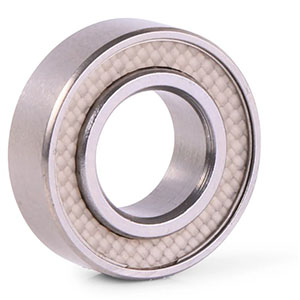
6900-2TS series — Thin-section 10x22x6 mm bearing with PTFE seals. It is engineered for chemical dosing pumps and semiconductor handling robots operating in clean, corrosive fume environments.
Flanged Type F Series
Flanged miniature bearings integrate a flange machined from the same outer ring blank. This flange serves as an axial stop, eliminating the need for housing shoulders, snap rings, or press-fit retention. Particularly advantageous when assembly automation or space constraints limit conventional mounting methods.
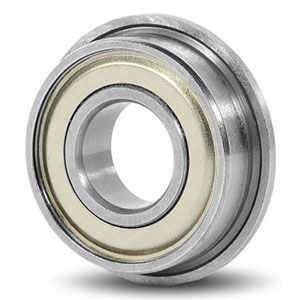
F68 series — Extra-thin flanged bearings for applications with severe axial space constraints. The flange allows snap-fit installation without additional hardware in copiers, DVD drive mechanisms, and light robotics.
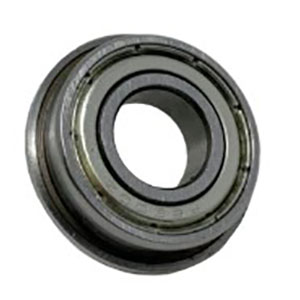
F69 series — Thin flanged bearings that provide moderate load capacity while eliminating the need for a separate housing shoulder. They are used in drone propeller mounts, miniature fans, and radio-controlled model transmissions.
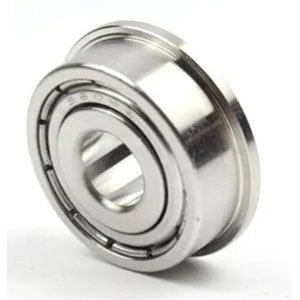
MF series — A metric flanged series designated with ‘MF’ for extra-small dimensions. These miniature ball bearings are sized for micro motors, compact gearboxes, and precision laboratory instruments.
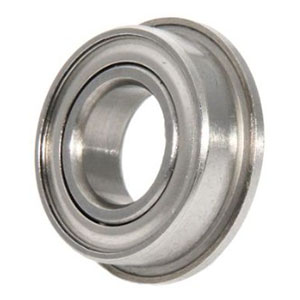
F606 series — Light-duty flanged miniature ball bearing sized 6x17x6 mm. It is suitable for small conveyor idler wheels, light-load pulleys, and industrial caster assemblies requiring axial positioning.
Standard Materials for Miniature Ball Bearings
Material selection directly affects load capacity, corrosion resistance, operating temperature range, and cost. The following steel grades are commonly specified across the miniature bearing industry.
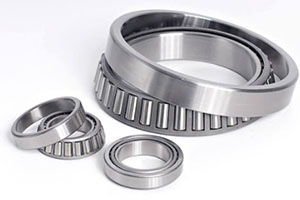
High-carbon chromium bearing steel is the industry standard for most general-purpose miniature bearings. It offers excellent fatigue life, wear resistance, and surface hardness of 60–64 HRC after through-hardening. Suitable for loads up to standard dynamic ratings and continuous operation from -40°C to +120°C. Extended heat stabilization enables operation up to 220°C with reduced load capacity. This material is cost-effective and widely available, making it the default choice for applications where corrosion resistance is not a primary concern.
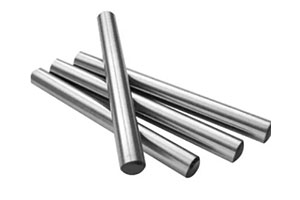
AISI 440C is the most common stainless steel used in miniature bearings, offering high hardness (58–62 HRC after heat treatment) and good corrosion resistance. This martensitic grade contains approximately 17% chromium and 1% carbon, providing a balance of wear resistance and corrosion protection. Load capacity is approximately 20% lower than 52100 chrome steel. Suitable for medical devices, food processing equipment, laboratory analyzers, marine applications, and any environment where moisture or mild corrosives are present. Operating temperature range is -60°C to +300°C with appropriate lubrication.
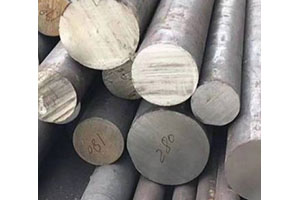
This alloy contains slightly lower carbon (0.58–0.70%) and chromium (11.5–13.0%) than AISI 440C. After heat treatment, fine, evenly dispersed carbides produce superior low-noise characteristics while offering corrosion resistance comparable to 440C. Load capacity is greater than AISI 440C. This material is widely specified for medical instruments, quiet-running equipment, and precision instrument bearings where both noise reduction and corrosion resistance are critical.
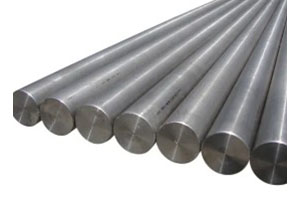
This nitrogen-alloyed martensitic stainless steel contains carbon 0.25–0.35%, chromium 14.0–16.0%, molybdenum 0.85–1.10%, and nitrogen 0.30–0.50%. The nitrogen addition transforms chromium carbides into chromium nitrides, producing a fine-grain microstructure that extends fatigue life by up to 100% in certain applications while delivering corrosion resistance up to five times that of 440C. Hardness reaches 57–61 HRC. This material is specified for harsh environments requiring extended service life, but due to difficult machining characteristics, it is produced by only a select group of specialized manufacturers.
Industry Applications
Miniature ball bearings serve critical motion control functions across multiple industrial sectors.

Electric power steering motors, window lift mechanisms, seat adjustment actuators, and sensor assemblies in ADAS systems.
Encoders, flow meters, small pumps, pneumatic tools, and conveyor rollers in automated manufacturing lines.
Surgical handpieces, dental drills, infusion pumps, imaging equipment, and laboratory analyzers requiring sterile or cleanroom compatibility.
Flight control actuators, gyroscopes, instrument bearings, and avionics cooling fans where weight and reliability are critical.
Joint actuators, gripper mechanisms, wheel drives, and precision gearboxes in collaborative robots and automated guided vehicles.
Other Ball Bearing Types
For applications requiring specific load-handling characteristics beyond standard miniature deep-groove designs, the following configurations may be considered.
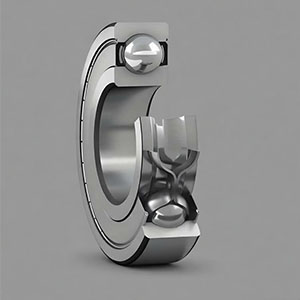
Deep Groove Ball Bearings — The most common bearing type for miniature dimensions. Suitable for combined radial and axial loads at high speeds. Available in metric (60, 62, 68, 69 series) and inch (R series) configurations.
Angular Contact Ball Bearings — Designed for applications requiring high axial rigidity or combined loads with significant axial components. Used in miniature spindles and precision rotary stages.
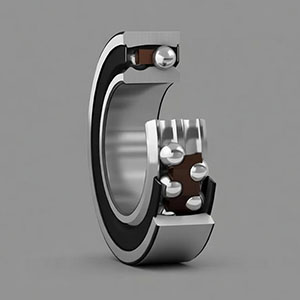
Self-aligning Ball Bearings — Accommodate minor shaft-to-housing misalignment. Less common in miniature sizes but available for applications where alignment cannot be precisely controlled.
Popular Miniature Ball Bearing Models
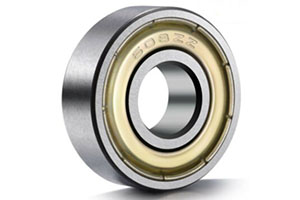
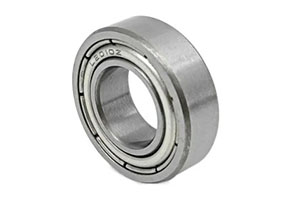
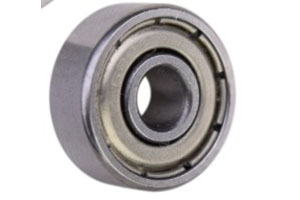
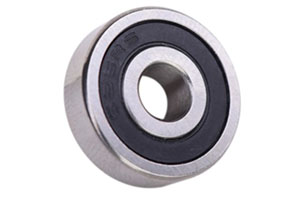
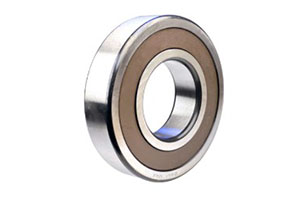
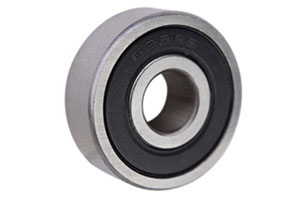
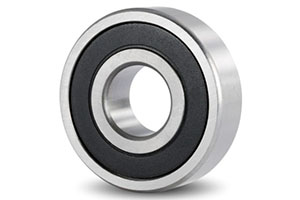
The following models represent frequently requested part numbers across shielded (ZZ), rubber sealed (2RS), flanged (F), and PTFE sealed (2TS) variants.
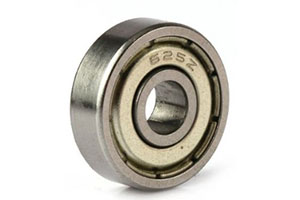
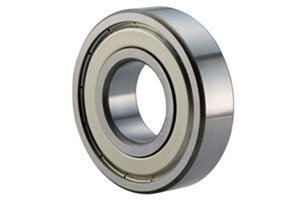
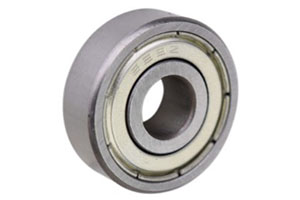
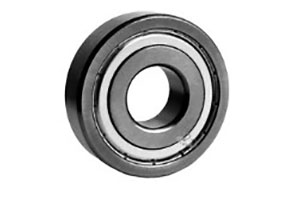
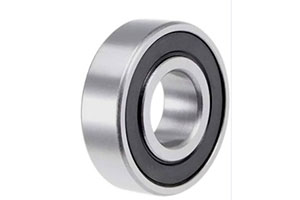
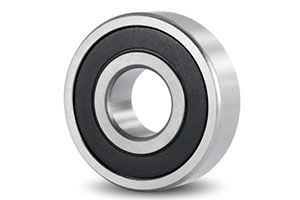
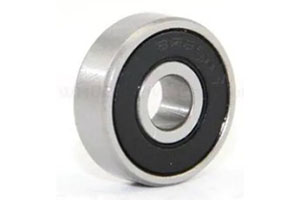
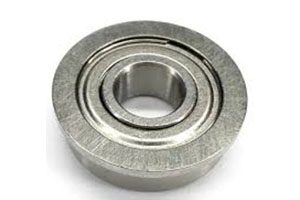
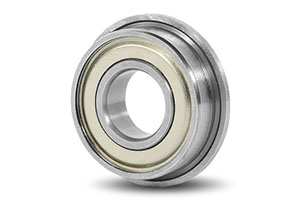
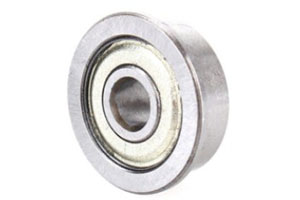
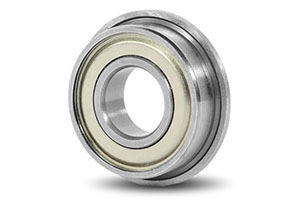
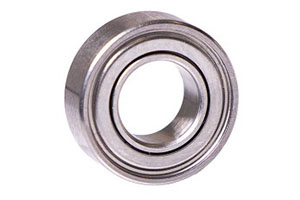
Miniature Ball Bearing Selection Guide
Selecting the correct miniature ball bearing requires consideration of several interdependent parameters. The following factors should be reviewed sequentially.
Load capacity. Determine both radial and axial loads acting on the bearing. Dynamic load rating (Cr) determines bearing life under rotating conditions. Static load rating (Cor) applies when the bearing experiences shock loads or rotates very slowly. For most miniature applications, load calculations should follow ISO 281 methodologies.
Speed requirements. Maximum permissible speed depends on bearing size, cage type, lubrication, and closure configuration. Shielded bearings generally achieve higher speeds than rubber-sealed types due to lower friction. PTFE seals occupy an intermediate position, offering chemical resistance without the high drag torque of contact seals.
Operating environment. Contamination exposure dictates closure selection:
Indoor, clean environments (ZZ): Non-contact metal shields provide adequate protection for fans, printers, and instruments.
Outdoor, dusty or moist environments (2RS): Contact rubber seals exclude fine particles and moisture, suitable for power tools and outdoor equipment.
Extreme temperatures or chemicals (2TS): PTFE seals withstand aggressive media and wide temperature ranges.
Tight axial spaces (F Series): Flanged outer rings simplify mounting where conventional bearing arrangements would require additional components.
Precision requirements. Tolerance classes range from ABEC-1 (commercial grade) through ABEC-7 (precision instrument grade). Higher precision reduces runout and vibration but increases cost. For applications such as optical encoders or surgical handpieces, specify ABEC-5 or higher.
Lubrication. Most miniature bearings are pre-lubricated with grease appropriate for the intended application. Factors to specify include: operating temperature range, required grease life, and contamination sensitivity. For high-speed applications, oil lubrication may be specified.
Shaft and housing fits. Radial internal clearance (MC1 through MC6) must be matched to operating temperature range and fit conditions. Tight fits increase preload and may reduce bearing life if clearance is inadequate for thermal expansion.
Handpiece applications require high precision (ABEC-5 or higher), low vibration characteristics, and appropriate lubrication for speeds up to 400,000 RPM. Specify ceramic balls for reduced centrifugal loading and nitriding surface treatments for extended service life under sterilization cycles.
For more details, please read “How do I specify bearings for high-speed dental or surgical handpieces?”.
Grease fill volume directly affects starting and running torque. Standard fill levels (25–35% of internal free space) balance lubrication life with torque requirements. Reduced fills (15–20%) lower torque but shorten relubrication intervals. Overfilling causes excessive temperature rise and power loss.
For more details, please read “ What are the torque implications of different lubricant fill volumes?“.
Flanged bearings eliminate the need for separate housing shoulders or retaining rings. Specify flanged types when axial space is insufficient for standard retaining methods, or when housing bores cannot be machined with precision shoulders. They also simplify assembly in high-volume production.
For more details, please read “ When should I use a flanged miniature bearing instead of a standard one?”.
Excessive radial play allows shaft displacement under load, causing encoder misalignment and signal variation. For encoder applications, specify tighter clearance ranges (MC1 or MC2 rather than standard MC3) to minimize radial runout. However, ensure the selected clearance is sufficient to accommodate thermal expansion of shaft and housing materials.
For more details, please read “ How does radial play affect the accuracy of precision encoders?”.