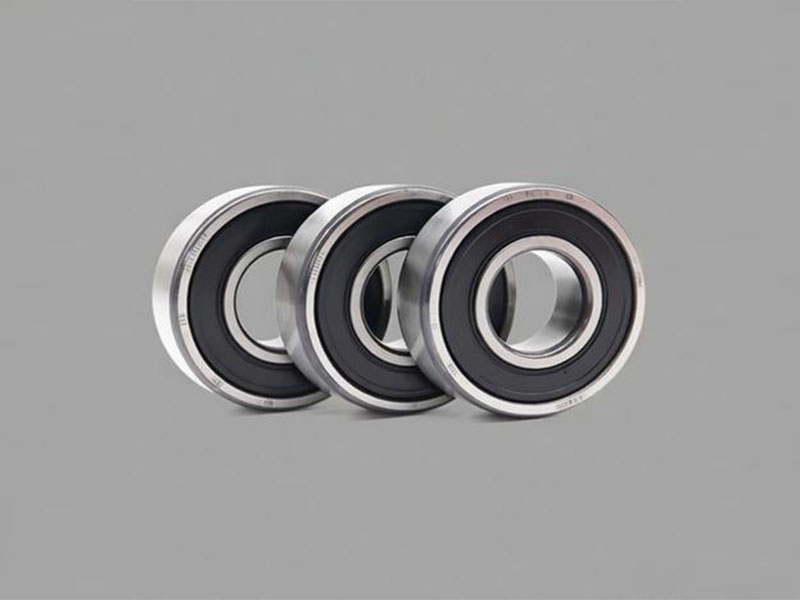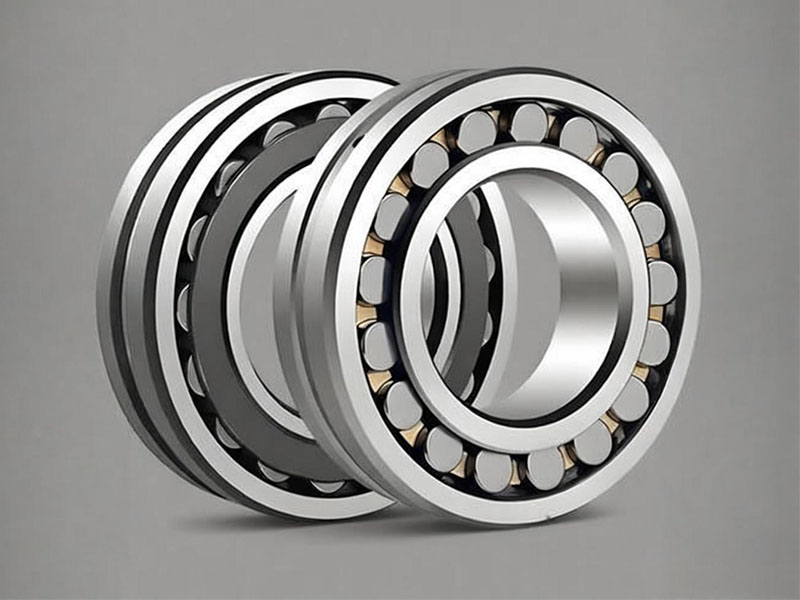
Bearings are the unsung heroes of any rotating machinery, from the wheels of your car to the precision spindle in a medical device. They enable smooth motion, reduce friction, and support immense loads. But like any mechanical component, they have a finite lifespan. Identifying a failing bearing early is not just about avoiding annoying noises; it’s about preventing costly downtime, ensuring safety, and protecting other critical components.
This guide will walk you through the tell-tale signs of bearing failure, from subtle sounds to visible damage, helping you diagnose problems accurately and take the right action.
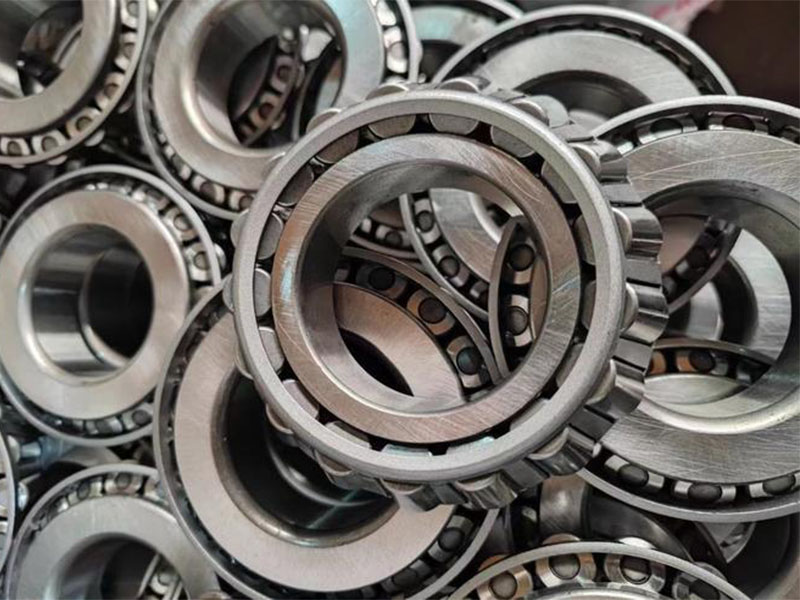
Understanding Your Bearing: A Quick Overview
Before diagnosing a problem, it helps to understand the component. A bearing’s job is to allow one part to rotate relative to another with minimal friction while handling a load.
Bearings come in countless varieties, each designed for a specific application. At DUHUI, we specialize in two critical areas:
- Automotive Wheel Bearings: Designed to handle the heavy radial and axial loads of a moving vehicle.
- Miniature and Precision Bearings: Used in applications where space is tight and precision is paramount. Our range includes inch and metric sized miniature ball bearings, flanged versions, and thrust bearings. Recognizing the type of bearing in your application is the first step in understanding its failure modes.
How to Tell if a Bearing is Failing
Diagnosing a bearing issue involves using your senses and, ideally, some basic tools.
Using Diagnostic Tools
Listening Device: A mechanic’s stethoscope or even a long screwdriver placed against the bearing housing can amplify internal sounds, helping you pinpoint the source of the noise.
Temperature Gun: A failing bearing often generates excessive heat due to increased friction. Compare the temperature of the suspect bearing to a known-good one.
Vibration Meter: For industrial applications, vibration analysis is the gold standard. It can detect the specific frequency of a damaged raceway or rolling element.
Visual & Physical Inspection
Check for Play: With the machine off, try to wiggle the component. Excessive radial or axial play is a clear sign of wear. For a wheel bearing, jack up the vehicle and rock the wheel at the 12 and 6 o’clock positions.
Feel for Roughness: Rotate the component by hand. It should feel smooth. A rough, gritty, or “notchy” feeling indicates damage to the races or balls.
Look for Signs of Distress:
- Discoloration: Blue or brown marks indicate overheating.
- Leaking Grease: Melted or leaking grease around the seals is a sign of high heat.
- Visible Damage: Pitting, rust, or cracks on the exposed parts of the bearing or its seals.
Decoding the Sounds: What a Bad Bearing Sounds Like
Sound is often the first and most obvious indicator of a failing bearing. The type of noise can tell you a lot about the nature of the problem.
Common Bad Wheel Bearing Sounds
- Snapping or Clicking (Especially when turning): A constant clicking or snapping sound that gets louder as you turn is often a sign of a damaged CV joint, which is closely related to the wheel bearing assembly. However, severe bearing wear can also cause clicking.
- Knocking or Thumping: A rhythmic knocking or thumping that changes with wheel speed suggests a flat spot on the balls or raceway. This is a serious issue requiring immediate attention.
- Grinding or Humming: A low-pitched humming, growling, or grinding noise that gets louder with vehicle speed is the classic symptom of a worn-out wheel bearing. It sounds similar to driving on rough terrain or knobby tires.
Damaged Miniature Bearing Sounds
- High-Frequency Squealing or Whistling: This thin, high-pitched noise usually points to lubrication failure. The bearing is running dry, causing metal-on-metal contact.
- Gritty or Rasping Sound: If the bearing feels like it’s rotating through sand, it’s a clear sign of contamination. Dirt or debris has breached the seals and is grinding away at the precision surfaces.
- Rattling or Clicking: This can indicate a damaged or loose ball retainer (cage), allowing the balls to knock against each other.
How Speed and Load Change the Sound
- Low Speed: You might feel a subtle vibration or roughness through your hands before you even hear a distinct noise.
- High Speed: Noises almost always amplify with speed. A hum may turn into a loud roar.
- Under Load: A wheel bearing that fails when turning left or right (due to load shifting) points to a specific side being worn out. For industrial bearings, an increase in noise under load suggests the bearing is no longer able to handle the designed forces.
Why Do Bad Bearings Make Noise?
Noise is a symptom. Understanding the root cause helps you prevent it from happening again.
- Mechanical Stress & Overloading: Exceeding the bearing’s rated load flattens the rolling elements and creates dents in the raceways. This leads to vibration and a thumping noise.
- Improper Installation & Misalignment: Hammering a bearing into place can cause microscopic brinelling (dents) on the raceways. Misalignment puts uneven pressure on the bearing, leading to premature failure and noise.
- Lubrication Failure: The grease in a bearing does more than reduce friction; it also dampens noise and protects against corrosion. Too little, too much, or degraded grease will lead to increased friction and noise.
- Contamination: Dust, water, or metal particles are the enemies of a precision bearing. They act like sandpaper, eroding the smooth surfaces and creating a gritty noise.
- Extreme Temperatures: High heat degrades the lubricant and can alter the metal’s hardness, leading to rapid wear.
- False Brinelling: This occurs when a non-rotating bearing is subjected to vibration (e.g., during transport). The vibration wears small depressions in the raceway, which later create noise when the machine runs.
The High Cost of Ignoring a Bad Bearing
Dismissing a noisy bearing as a minor annoyance is a risky and costly mistake.
- Catastrophic Failure: A seized wheel bearing can lock up the wheel while driving. A failed industrial bearing can destroy a motor shaft or gearbox.
- Safety Risks: This is paramount for automotive bearings. Loss of control due to a wheel failure is a serious safety hazard.
- Higher Costs: Replacing a $20 bearing now is far cheaper than replacing a $500 motor or a $1000 knuckle assembly later.
- Reduced Efficiency: Damaged bearings create more friction, wasting energy and increasing fuel or electricity consumption.
- Additional Wear: A failing bearing throws off the balance and alignment of the entire rotating system, causing premature wear on seals, shafts, and other connected parts.
Prevention: Best Practices for Long Bearing Life
The best way to deal with a bad bearing is to prevent it from failing in the first place.
- Establish a Regular Inspection Schedule: Listen and feel for changes in your equipment’s normal operation.
- Lubricate Properly: Use the correct type and amount of grease. Do not over-grease, as this can cause overheating.
- Ensure Proper Installation: Use the correct tools (presses, pullers) and never apply force to the outer ring while installing the inner ring (and vice versa).
- Protect from Contamination: Always work in a clean environment. Ensure seals are in good condition and properly seated.
- Respect Load Limits: Do not exceed the manufacturer’s specified radial and axial load ratings.
Safe Removal and Replacement: Key Tips
When a bearing is confirmed to be bad, it must be replaced.
Safety Warning: Always secure the equipment. For vehicles, use jack stands—never rely on a jack alone. Disconnect power to industrial machinery.
Removal Techniques: Use bearing pullers or a hydraulic press. Never hammer the bearing out, as this can damage the housing.
Installation Points:
- Clean the shaft and housing thoroughly.
- Apply even pressure to the correct ring during installation.
- Pack the new bearing with the appropriate grease if it is not sealed.
- Tighten to the manufacturer’s specified torque.
Frequently Asked Questions
Q: My bearing makes a grinding noise when I spin it by hand. Is it definitely bad?
A: Yes, almost certainly. A healthy bearing should spin smoothly and silently. A grinding or gritty feeling indicates that contaminants have entered the bearing or that the raceways are damaged. The bearing needs to be replaced.
Q: Can I fix a noisy bearing by just adding more grease?
A: In most cases, no. While adding grease might quiet a bearing for a very short time, it does not fix the underlying damage. If you can hear noise, the surfaces are already worn or contaminated. The grease is a temporary bandage at best, and the bearing will fail shortly after.
Q: Why does my wheel bearing only make noise when I turn left?
A: This is a classic symptom. When you turn left, the vehicle’s weight shifts to the right side, increasing the load on the right-side wheel bearing. If the noise occurs only when turning left, the right front wheel bearing is the likely culprit. The opposite is true for noise when turning right.
Conclusion
Learning to identify the signs of a bad bearing—the sounds, the feelings, and the visual cues—is an invaluable skill for anyone who maintains equipment. It empowers you to make informed decisions, prioritize safety, and avoid costly breakdowns. Remember, a bearing is a precision component, and listening to it is the best way to ensure the long and healthy life of your machinery.
When diagnosis points to failure, and it’s time for a replacement, trust a partner like DUHUI who can provide high-quality products and services.