Wheel hub assembly is a critical safety component that connects each wheel to the suspension system. It supports the entire weight of the vehicle while allowing the wheels to rotate with minimal friction. When a wheel hub assembly begins to fail, it compromises your control and safety on the road. Recognizing the early warning signs can help you address the issue before it leads to a breakdown or an accident. DUHUI will walk you through the common symptoms and practical methods to determine if your wheel hub assembly needs attention.
1. What Is a Wheel Hub Assembly?
A wheel hub assembly, also commonly referred to as a wheel bearing hub unit, is a pre-engineered component that integrates the wheel bearing, hub, flange, and in modern vehicles, the ABS sensor. It serves two primary functions: supporting the vehicle’s weight and providing a low-friction mounting point for the wheel to rotate.
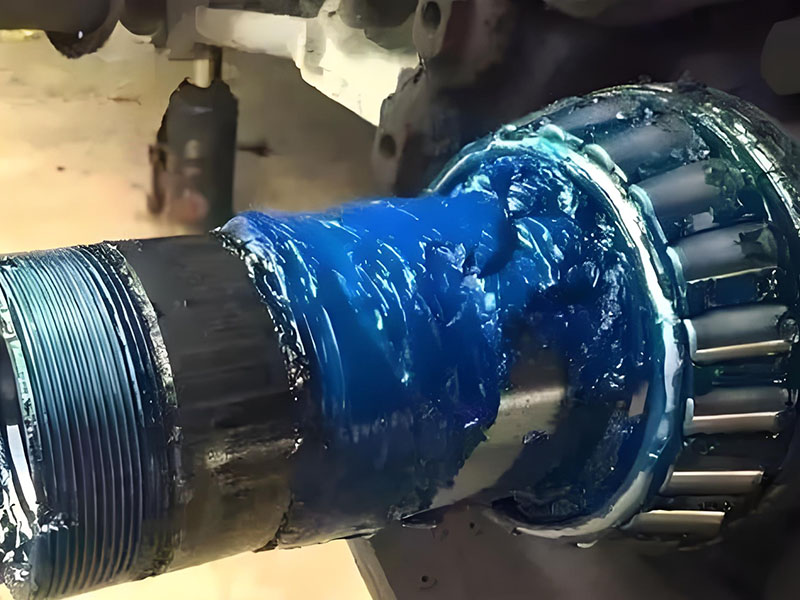
Today, most passenger vehicles use integrated wheel hub assembly designs—commonly known as second or third-generation hub units. These units are sealed, pre-lubricated, and require no maintenance. Older vehicles may use traditional separable bearings that need to be packed with grease and adjusted manually. However, the modern integrated wheel hub assembly offers greater reliability and easier replacement.
2. Common Causes of Wheel Hub Assembly Failure
Understanding what damages a wheel hub assembly can help you prevent premature failure:
- Contamination: The seals on a wheel hub assembly are designed to keep contaminants out, but they can degrade over time. Water, road salt, dust, and debris can enter the unit, compromising the grease and corroding the precision bearing surfaces.
- Impact Damage: Driving aggressively over potholes, speed bumps, or striking curbs can transmit shock loads through the tire and into the wheel hub assembly. This can cause brinelling—indentations on the bearing races—leading to noise and early failure.
- Improper Installation: Incorrect installation is a leading cause of premature wheel hub assembly failure. Using impact wrenches on axle nuts, failing to torque to specifications, or pressing bearings incorrectly can damage the unit before the vehicle even leaves the garage.
3. Common Symptoms of a Failing Wheel Hub Assembly
Here are the most common signs that your wheel hub assembly may be damaged:
- Unusual Noises: A humming, growling, or droning noise that changes with vehicle speed is the classic symptom of a worn wheel hub assembly. The sound often becomes louder during turns.
- Steering Wheel Vibration: If the internal bearings are worn, you may feel a vibration in the steering wheel or through the floor that intensifies as speed increases.
- Wheel Looseness: Excessive play in the wheel can cause a vague or loose steering feel.
- Pulling During Braking: A damaged wheel hub assembly can cause the brake rotor to tilt slightly, leading to the vehicle pulling to one side when brakes are applied.
- Uneven Tire Wear: A wobbling hub assembly can scrub the tire unevenly, creating scalloped or cupped wear patterns.
- ABS Warning Light: Many modern wheel hub assembly units include an integrated magnetic encoder for the ABS system. If the unit fails, it can disrupt the sensor signal and trigger the ABS warning light.
4. How to Check Your Wheel Hub Assembly for Damage
If you suspect a problem, here are safe and reliable methods to inspect your wheel hub assembly.
4.1 Preparation: Safety First
Park on a level surface and chock the wheels.
Use a jack to lift the vehicle and securely support it on jack stands. Never work under a vehicle supported only by a jack.
Gather tools: lug wrench, gloves, and a pry bar if needed.
4.2 The Road Test (Auditory Check)
Find a quiet, smooth road and listen carefully as you drive.
- Note the type of noise. A bad wheel hub assembly typically produces a low-frequency hum or growl that rises and falls with wheel speed.
- Perform a gentle swerve test. Safely turn left and right. If the noise worsens when turning left, the right-side wheel hub assembly is under load and likely the source. This load-switching technique helps pinpoint the faulty side.
4.3 The Wheel Shake Test (Physical Check)
With the vehicle lifted and the wheel securely mounted:
- Grasp the tire at the top and bottom (12 and 6 o’clock positions). Rock it firmly inward and outward.
- If you feel any clunking or noticeable movement, the wheel hub assembly has excessive radial play and is worn out.
- Repeat the test grasping at the sides (9 and 3 o’clock) to check for other suspension issues, though movement here can also indicate a loose hub assembly.
4.4 The Rotation Check (Listening for Roughness)
- With the wheel still lifted, spin it by hand.
- A healthy wheel hub assembly should rotate silently and smoothly.
- Listen for any grinding, rubbing, or “sandy” sounds. If you feel a distinct roughness or catch as it rotates, the internal bearings are damaged and the wheel hub assembly requires replacement.
5. What to Do If You Confirm Damage
If your inspection reveals excessive play, grinding noises during rotation, or you have confirmed the noise during a road test, the wheel hub assembly is compromised and must be replaced.
For modern vehicles, replacing the complete wheel hub assembly is the recommended approach. Unlike traditional bearings, these units are precision-assembled, sealed, and require no adjustment. A new wheel hub assembly ensures that all components—bearing, hub, flange, and sensor—are fresh and working in harmony.
When installing a new wheel hub assembly, always follow the manufacturer’s torque specifications, especially for the axle nut. Proper torque is essential for the bearing’s preload and long-term performance. After replacement, a wheel alignment is strongly recommended to ensure even tire wear and proper vehicle handling.
Conclusion
Your wheel hub assembly is fundamental to your vehicle’s safety and performance. By listening for unusual noises, checking for wheel play, and understanding the common symptoms of failure, you can catch problems early and avoid dangerous situations on the road. If you suspect your wheel hub assembly is damaged, have it inspected immediately by a qualified technician or replace it with a high-quality unit from a trusted manufacturer like DUHUI Bearing. Safe driving starts with reliable components.