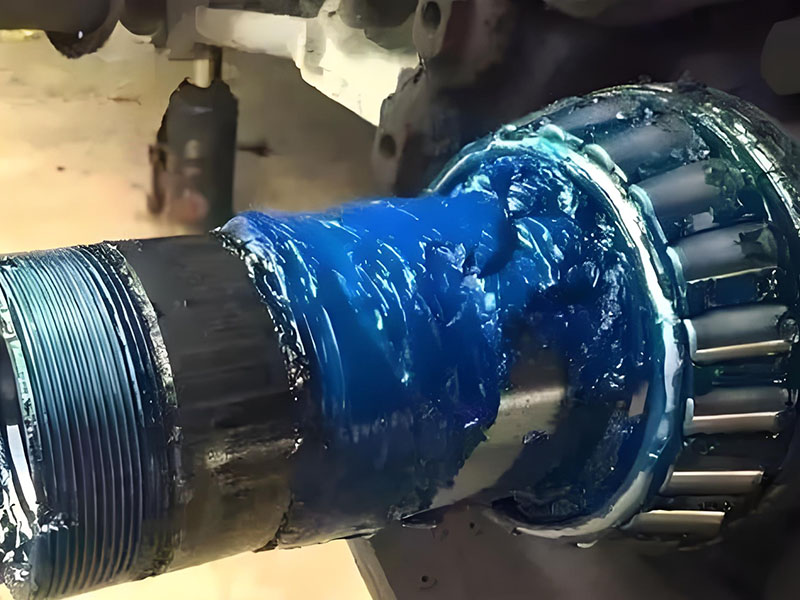
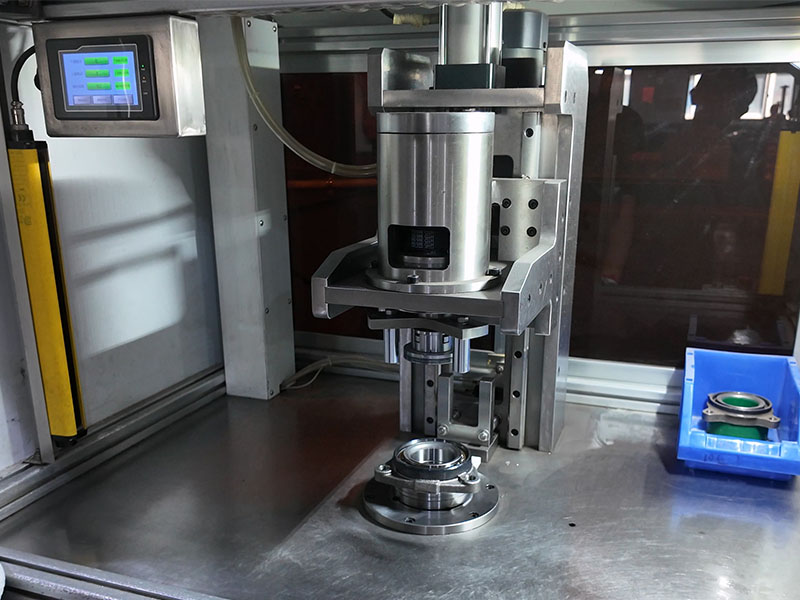
A ball bearing is a critical component in modern vehicles, enabling smooth rotation of moving parts while managing both radial and axial loads. In automotive applications, ball bearings are most commonly associated with wheel hubs, but they also appear in engines, transmissions, and suspension systems. Understanding how ball bearings function, how long they typically last, and what signs indicate failure can help vehicle owners maintain safety and avoid costly repairs. DUHUI will provide a technical overview of ball bearings in cars, covering their applications, lifespan, common causes of damage, and diagnostic methods.
1. How Ball Bearings Work in Cars
Ball bearings consist of four basic elements: an inner race, an outer race, a set of steel balls, and a cage that spaces the balls evenly. The inner race rotates with the shaft or hub, while the outer race remains stationary within the housing. The balls roll between the two races, significantly reducing friction compared to sliding contact.
In automotive systems, ball bearings are designed to support both radial loads and axial loads. This dual capability makes them suitable for applications where forces act in multiple directions, such as in wheel hubs where the bearing must support vehicle weight while allowing steering and cornering forces.
2. Applications of Ball Bearings in Specific Car Components
Ball bearings are used throughout a vehicle in various assemblies. The following are the most common applications:
Wheels: Wheel hub assemblies contain ball bearings that allow the wheel to rotate freely with minimal friction. These bearings support the entire vehicle weight and must withstand lateral forces during cornering.
Engine: In internal combustion engines, ball bearings are used in ancillary components such as alternators, water pumps, and idler pulleys. Some high-performance engines also use ball bearings in camshaft or crankshaft applications, though plain bearings remain more common for crankshafts.
Transmission: Manual and automatic transmissions rely on ball bearings to support rotating shafts and gears. These bearings maintain precise shaft alignment under varying loads and speeds.
Suspension System: Ball bearings are found in strut mounts and steering columns, where they allow smooth rotation between moving and stationary components while accommodating vertical and lateral forces.
3. Types of Bearings Used in Cars
While ball bearings are widely used, they are one of several bearing types found in vehicles. Understanding the differences helps clarify where ball bearings fit within the broader context of automotive design.
Ball bearings: Best suited for applications requiring moderate load capacity with high rotational speed. Common in wheel hubs, alternators, and pumps.
Roller bearings: Use cylindrical or tapered rollers instead of balls, offering higher radial load capacity. Often found in transmission shafts and heavy-duty wheel hubs.
Thrust bearings: Designed specifically to handle axial loads. Used in clutch systems and some steering components.
Needle roller bearings: A type of roller bearing with long, thin rollers. Commonly used in universal joints, rocker arms, and automatic transmission components.
4. What Is the Lifespan of a Ball Bearing?
Under normal operating conditions, automotive ball bearings typically last between 85,000 and 130,000 miles. However, actual lifespan varies significantly based on several factors:
Driving conditions: Frequent driving on rough roads, exposure to water or salt, and repeated short trips can accelerate wear.
Vehicle load: Consistently carrying heavy loads or towing places additional stress on wheel bearings and suspension components.
Maintenance habits: Regular wheel alignment, tire balancing, and proper installation practices directly affect bearing longevity.
5. How Do Car Ball Bearings Get Damaged?
Ball bearings are precision components, and damage often results from one or more of the following causes:
Impact damage: Striking potholes, curbs, or debris can dent bearing races or cause misalignment.
Overloading: Exceeding the bearing’s designed load capacity accelerates fatigue and can lead to premature failure.
Poor installation: Using incorrect tools, improper torque, or damaging the bearing during installation creates stress concentrations that lead to early failure.
Use of low-quality bearings: Bearings made from substandard materials or without proper heat treatment lack durability.
Contamination: Dirt, sand, or moisture entering the bearing compromises lubrication and causes abrasive wear.
Wheel modifications: Installing wheels with incorrect offset or oversized tires changes load paths and increases stress on wheel bearings.
6. How to Tell If Car Ball Bearings Need Replacing
Early detection of ball bearing failure can prevent further damage to related components. The following symptoms indicate a bearing may require replacement:
Unusual noise: A grinding, growling, or rumbling sound that increases with vehicle speed often indicates a worn wheel bearing.
Vibration: Excessive vibration felt through the seat or floor, particularly during acceleration or cornering, may point to bearing wear.
Pulling or drifting: If the vehicle pulls to one side without steering input, a damaged wheel bearing or associated hub component could be the cause.
Steering wheel vibration: Vibration that becomes noticeable in the steering wheel, especially at consistent speeds, may originate from a failing front wheel bearing.
Steering wheel looseness: Excessive play in the steering wheel, combined with noise, suggests possible bearing wear in the hub or steering column.
ABS malfunction: Many modern wheel hub assemblies integrate the ABS sensor ring. A damaged bearing can disrupt the ABS signal, triggering a warning light.
7. What to Do If Your Car Bearings Make Noise
When unusual noise from a wheel or engine component is detected, continued driving without inspection is not recommended. The first step is to have the vehicle inspected by a qualified mechanic who can confirm whether the noise originates from a bearing and identify the affected location.
If a bearing is diagnosed as failing, replacement is the only practical solution. Bearings are precision components that cannot be reliably repaired once internal wear or damage has occurred. Replacement should be performed using proper tools and torque specifications to ensure the new bearing seats correctly and achieves its intended service life.
8. Preventive Maintenance Tips for Ball Bearings
While bearings are wear components, proper maintenance can help them achieve their maximum lifespan:
Maintain proper wheel alignment and tire balance: Misaligned wheels or unbalanced tires create uneven forces that accelerate bearing wear.
Avoid driving through deep water when possible: Water can penetrate bearing seals and degrade lubrication over time.
Use high-quality replacement bearings: OEM-grade or premium aftermarket bearings meet stricter manufacturing tolerances and material standards.
Ensure proper installation: Bearings should be installed with appropriate tools, avoiding hammer impacts and following manufacturer torque specifications.
FAQs
Can you drive a car with a damaged ball bearing?
No. Driving with a damaged ball bearing is unsafe and can lead to progressive failure. A severely worn bearing can generate excessive heat and friction, potentially causing the wheel hub to seize or separate. Steering instability, compromised ABS function, and damage to adjacent components such as the spindle or axle are also risks. If bearing failure is suspected, the vehicle should be inspected and repaired promptly.
How much does it cost to repair a car’s ball bearings?
Repair costs vary based on vehicle make, bearing type, and labor rates. The average cost per wheel bearing typically ranges from $150 to $400, with labor accounting for a significant portion. Press-in bearings generally require more labor time than bolt-on hub assemblies. Using OEM or high-quality aftermarket bearings may increase parts cost but offers better long-term reliability.
Conclusion
Ball bearings play an essential role in vehicle operation, supporting rotating components in wheels, engines, transmissions, and suspension systems. Their service life typically falls between 85,000 and 130,000 miles but is influenced by driving conditions, load, and maintenance practices. Recognizing early signs of failure—such as unusual noise, vibration, or steering irregularities—allows for timely replacement, preventing more extensive damage and maintaining vehicle safety. For optimal performance and durability, proper installation and the use of quality bearings are critical.