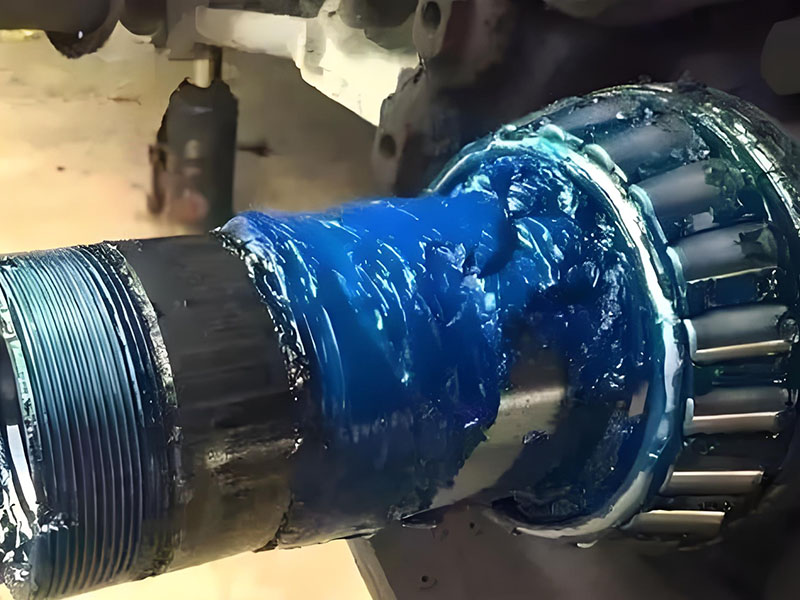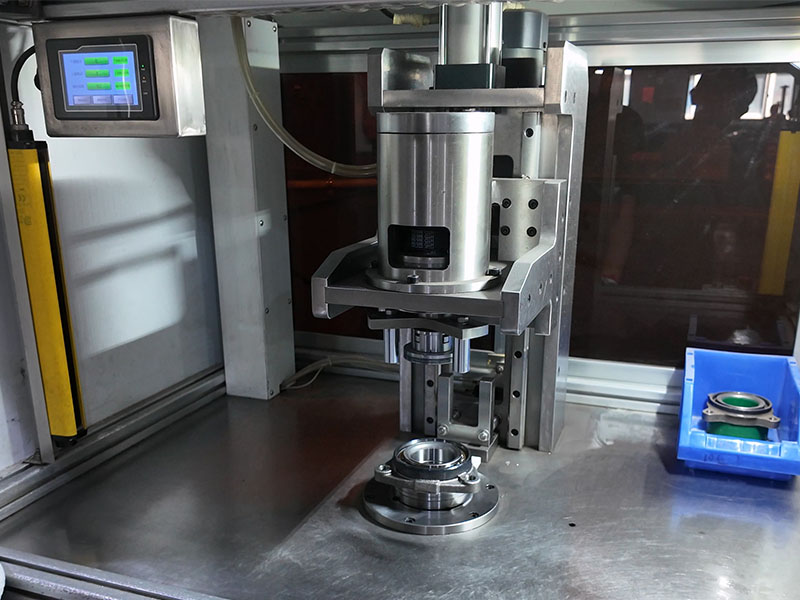
Choosing the wrong bearing type for your machinery often leads to premature failure, unplanned downtime, and increased maintenance costs. With options ranging from deep groove ball bearings to tapered roller bearings and mounted units, how do you determine which one delivers reliable performance under your specific operating conditions? This guide provides a systematic approach to understanding bearing types and making informed selection decisions based on engineering principles.
Bearing Selection: 6 Key Factors to Evaluate
Before examining specific bearing types, assess your application’s operating conditions. The following factors form the foundation of proper bearing selection.
Load Direction and Magnitude. Identify whether the bearing will support radial loads (perpendicular to the shaft), axial loads (parallel to the shaft), or combined loads. Underestimating load conditions is a common cause of premature bearing failure. For high-load applications, best practices suggest using safety factors of three to five to account for shock loading and vibration.
Operating Speed. Ball bearings generally operate at higher speeds than roller bearings due to lower friction characteristics. Deep groove ball bearings are suited for high-speed applications. Most roller bearings operate best at moderate speeds, though cylindrical roller bearings can achieve relatively high speeds under proper lubrication.
Misalignment Tolerance. If shaft deflection or housing misalignment is unavoidable, self-aligning ball bearings or spherical roller bearings are the appropriate choices. These designs accommodate angular misalignment without compromising performance.
Environmental Conditions. Operating temperature range, exposure to dust or moisture, and the presence of shock loads or vibration all influence bearing selection. In harsh environments, sealing effectiveness often becomes more critical than speed capability.
Lubrication and Sealing. Determine whether grease or oil lubrication is suitable, consider relubrication intervals, and select open, shielded, or sealed bearing designs based on contamination risk.
Space Constraints. When radial space is limited, needle roller bearings provide high load capacity in a compact cross-section. For applications with axial space constraints, thin-section bearings may be appropriate.
Bearing Types at a Glance: Comparison Table
The table below provides a quick reference for comparing major bearing types based on load handling, speed capability, and typical applications.
| Bearing Type | Load Direction | Speed Capability | Self-Aligning | Typical Applications |
|---|---|---|---|---|
| Deep Groove Ball Bearings | Radial + Moderate axial | High | No | Electric motors, pumps, appliances |
| Angular Contact Ball Bearings | Combined radial-axial | High | No | Machine tools, pumps, compressors |
| Self-Aligning Ball Bearings | Radial + Light axial | Medium | Yes | Agricultural machinery, conveyors |
| Thrust Ball Bearings | Axial only | Low | No | Turntables, vertical shafts |
| Tapered Roller Bearings | Combined radial-axial | Moderate | No | Automotive wheel hubs, gearboxes |
| Cylindrical Roller Bearings | Radial | High | No | Gearboxes, electric motors, pumps |
| Spherical Roller Bearings | Heavy radial + Axial | Moderate | Yes | Mining equipment, paper mills |
| Needle Roller Bearings | Radial | Moderate | No | Transmissions, compressors |
| Thrust Roller Bearings | Axial only (heavy) | Low | No | Heavy-duty axial loads: marine gearboxes, vertical pumps, large cranes |
| Insert Bearings (Mounted Units) | Radial + Light axial | Low–Medium | Limited | Agricultural equipment, conveyors |
Reference speed values vary by bearing size and lubrication method. Consult manufacturer specifications for precise data.
Ball Bearings: Types and Applications
Ball bearings use spherical rolling elements and are characterized by relatively low friction and high speed capability.
Deep Groove Ball Bearings are the most commonly used bearing type worldwide due to their versatility. They support radial loads and moderate axial loads in both directions. Typical applications include electric motors, pumps, household appliances, and automotive auxiliary components.
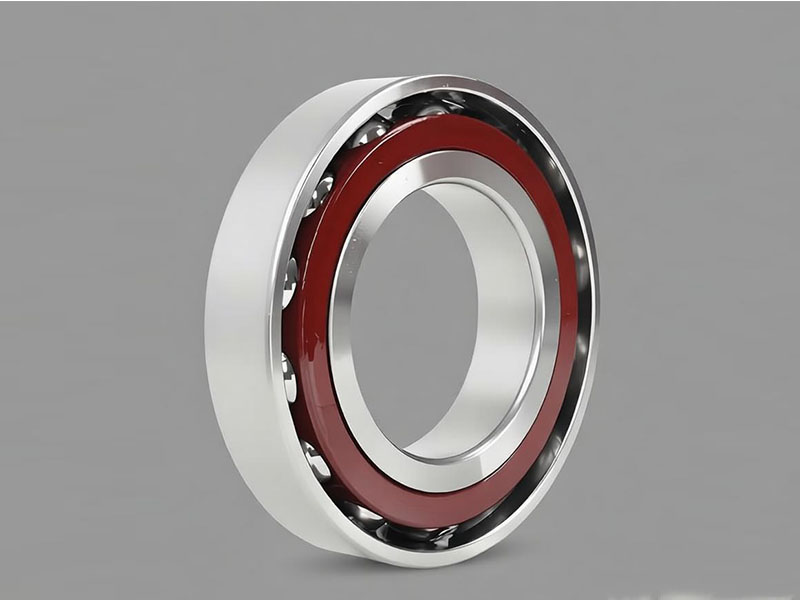
Angular Contact Ball Bearings are designed for combined radial and axial loads. Their contact angle provides higher axial load capacity and greater rigidity. These bearings are often specified for machine tools, pumps, compressors, and automotive transmissions where precision is required.
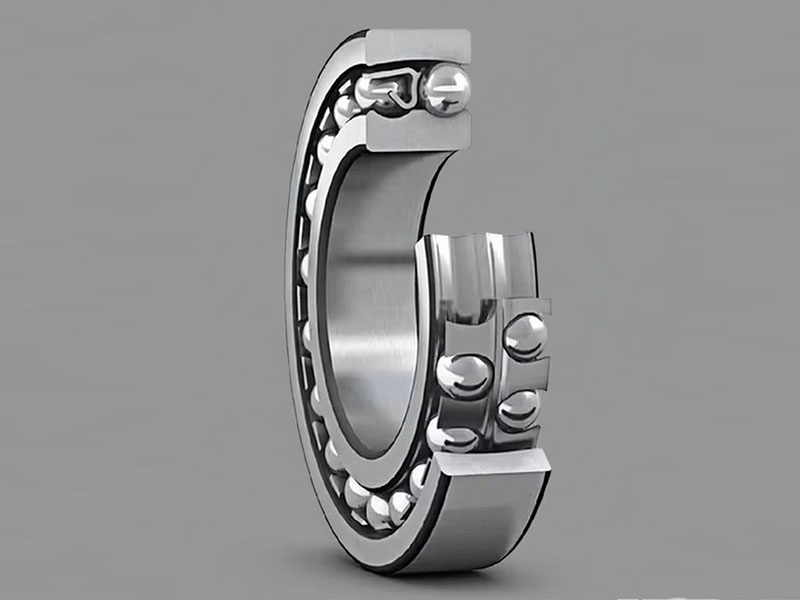
Self-Aligning Ball Bearings accommodate shaft misalignment and deflection, making them suitable for applications where precise alignment is difficult to maintain. They are commonly found in agricultural machinery, conveyors, and ventilation systems.
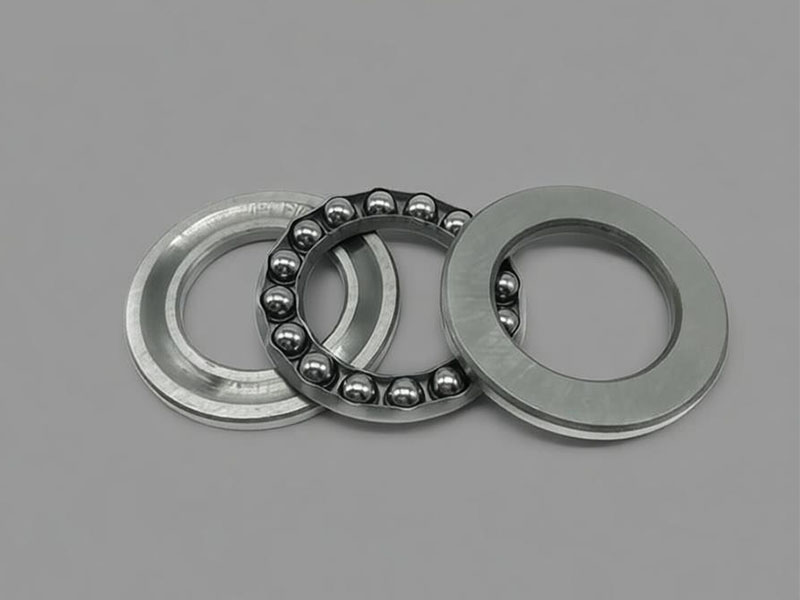
Thrust Ball Bearings are specifically designed for axial loads but cannot accommodate radial loads. They are used in turntables, vertical shafts, and low-speed axial load systems.
Roller Bearings: Types and Applications
Roller bearings use cylindrical or tapered rolling elements with line contact, providing higher load capacity than ball bearings of comparable size.
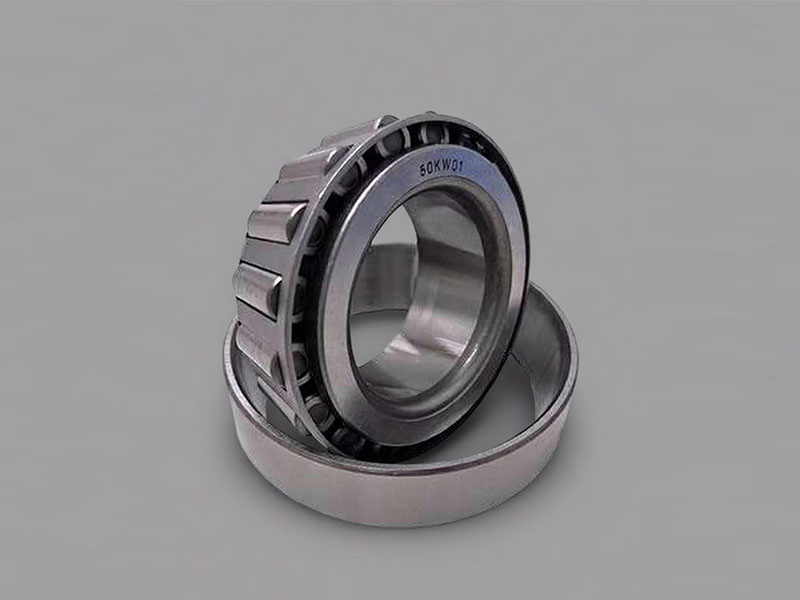
Tapered Roller Bearings are specifically engineered for combined radial and axial loads. Their unique conical geometry provides high load capacity and rigidity. In automotive systems, they are widely used in wheel hub assemblies, axles, and transmissions where complex load conditions are present. Industrial applications include gearboxes, heavy machinery, and rolling mills.
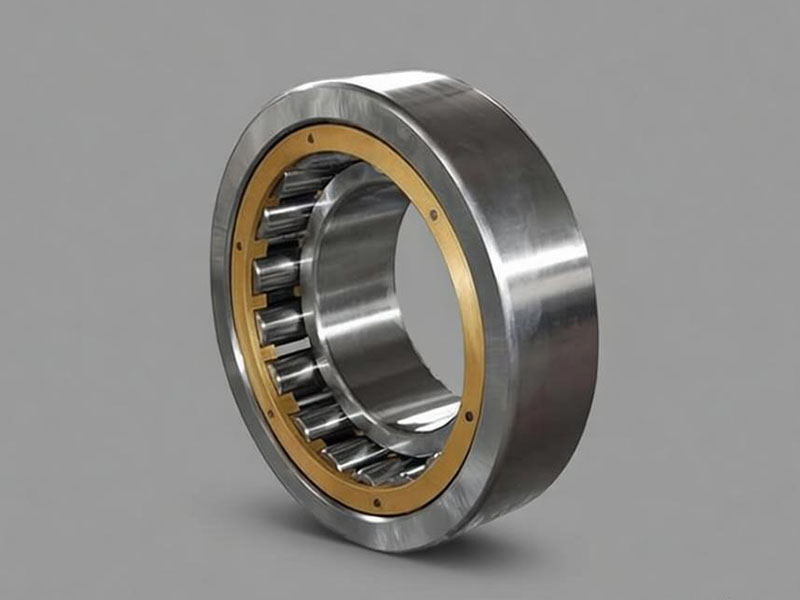
Cylindrical Roller Bearings offer high radial load capacity with relatively low friction. They are commonly used in gearboxes, electric motors, pumps, and industrial machinery where radial loads dominate. Under proper lubrication, cylindrical roller bearings can achieve relatively high speeds.
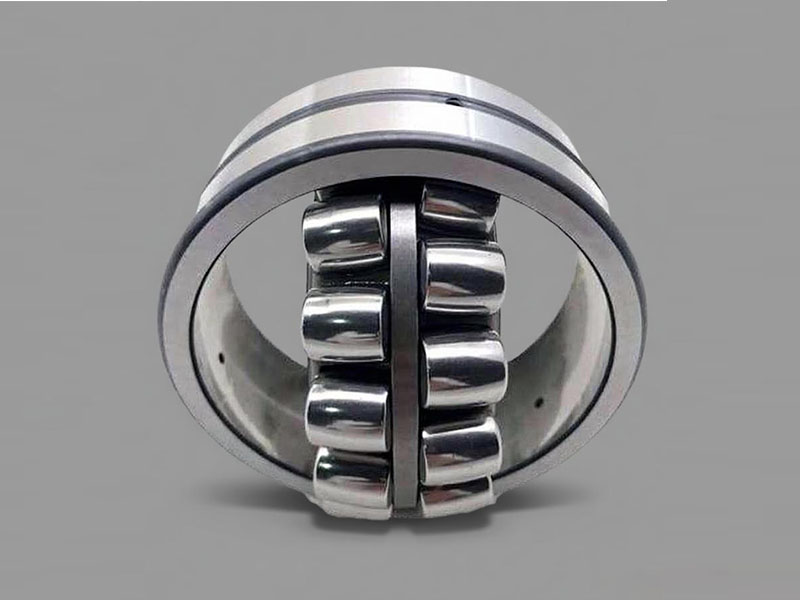
Spherical Roller Bearings are self-aligning and offer extremely high load capacity while accommodating significant misalignment. They are ideal for heavy-duty applications such as mining equipment, construction machinery, and paper mills where shock loads and shaft deflection are common.
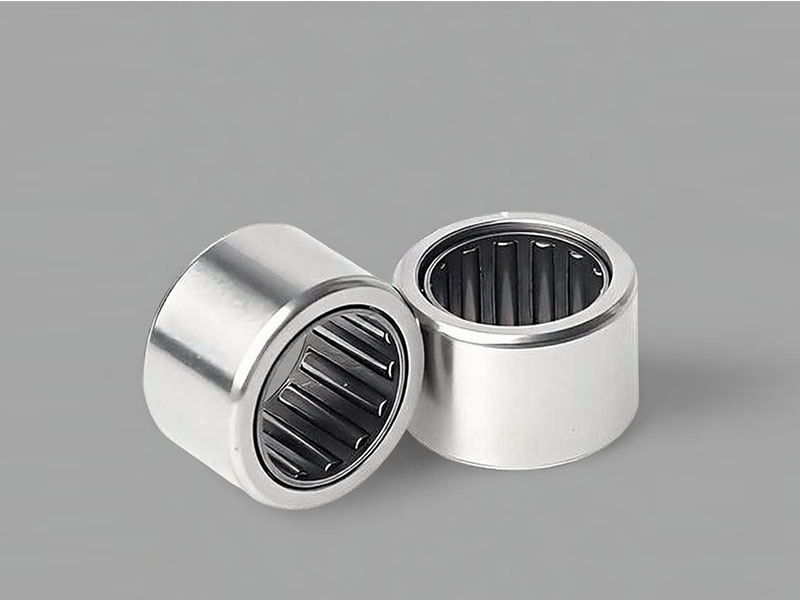
Needle Roller Bearings feature a compact cross-section and provide high load capacity in limited radial space. They operate best at moderate speeds and are commonly used in transmissions, compressors, and automotive components where space constraints are critical.
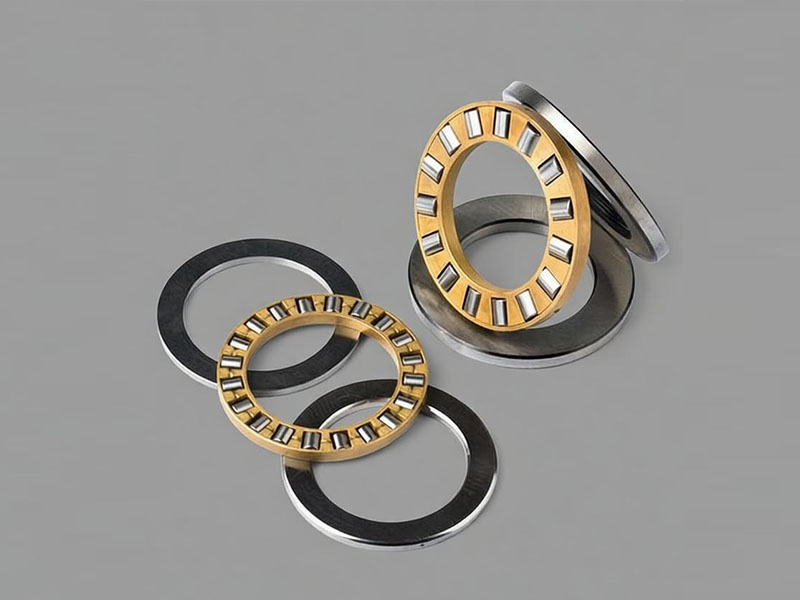
Thrust Roller Bearings are designed for pure axial (thrust) loads of high magnitude. Unlike thrust ball bearings, which are suitable for light to moderate axial loads, thrust roller bearings use cylindrical or tapered rollers to support heavy axial loads at low speeds. They are commonly found in marine gearboxes, vertical pumps, large cranes, and heavy-duty machine tools where significant axial forces must be accommodated without radial load.
Insert Bearings and Mounted Units
Insert bearings are designed for applications where ease of installation and replacement are priorities. These units typically consist of a bearing with a spherical outer diameter housed in a cast iron or stamped steel housing.
Set Screw Insert Bearings (UC200 and UC300 Series) use set screws to lock onto the shaft, providing simple installation for light to medium-duty applications. They are widely used in agricultural machinery, conveyors, fans, and material handling equipment.
Tapered Bore Insert Bearings (UK200 and UK300 Series) use adapter sleeves for mounting, offering higher load capacity and more secure shaft fixation. These are suitable for industrial machinery applications with higher load requirements.
Eccentric Locking Collar Bearings (SA200 Series) provide reliable shaft fixation under moderate operating conditions. They are commonly found in fans, conveyors, and agricultural equipment.
Mounted bearing units—including pillow blocks and flange units—combine the bearing with a housing, reducing installation time and alignment requirements. These pre-assembled solutions are widely used in material handling systems, ventilation equipment, and industrial machinery.
Bearing Selection by Industry Application
For automotive systems including wheel hubs, transmissions, and steering components, bearings must handle combined loads, shock loads, and varying operating conditions. Tapered roller bearings are often the preferred choice for wheel hub assemblies due to their ability to manage complex load scenarios. Deep groove ball bearings are commonly used in auxiliary components where speed and reliability are priorities.
For industrial machinery such as gearboxes, pumps, and compressors, bearings with high load capacity and reliability are required. Cylindrical roller bearings, spherical roller bearings, and angular contact ball bearings are frequently specified depending on load characteristics and speed requirements.
For agricultural and off-highway equipment, which often operates in dusty, dirty environments with exposure to moisture, self-aligning ball bearings and insert bearings with effective sealing are commonly used to accommodate misalignment and protect against contamination.
For material handling systems including conveyors and sorting equipment, mounted bearing units simplify installation and maintenance. Insert bearings with set screw or eccentric locking collars are widely used in these applications.
For heavy axial load applications such as marine propulsion systems, large vertical pumps, and crane slewing rings, thrust roller bearings are the appropriate choice due to their high axial load capacity at low rotational speeds.
Bearing Installation and Maintenance Best Practices
Selecting the correct bearing type is only part of achieving reliable operation. Proper installation, maintenance, and monitoring practices are equally important.
Installation guidelines:
- Ensure shafts and housings are clean and within specified tolerances
- Use appropriate mounting tools to prevent damage to rolling elements and raceways
- Follow recommended fit and clearance specifications based on rotation conditions
- Verify alignment before operation
Maintenance considerations:
- Establish appropriate relubrication intervals based on operating conditions
- Monitor operating temperature and vibration as indicators of bearing condition
- Contamination is the primary cause of premature failure—ensure seals are effective
- Roughly 16% of premature bearing failures are caused by improper installation, often when the bearing is forced into place using excessive force
Frequently Asked Questions (FAQ)
Q1: How do I know when a bearing needs to be replaced?
Watch for warning signs including unusual noise (grinding or squealing), excessive vibration, elevated operating temperature, and visible play or looseness in the shaft.
Q2: What is the main difference between ball bearings and roller bearings?
Ball bearings use point contact and are better suited for high-speed applications with moderate loads. Roller bearings use line contact, providing higher load capacity at moderate speeds.
Q3: What is L10 bearing life?
L10 life (or rating life) is the number of revolutions or operating hours that 90% of a group of identical bearings are expected to achieve before fatigue failure occurs under specified load conditions.
Q4: How do I choose between open, shielded, and sealed bearings?
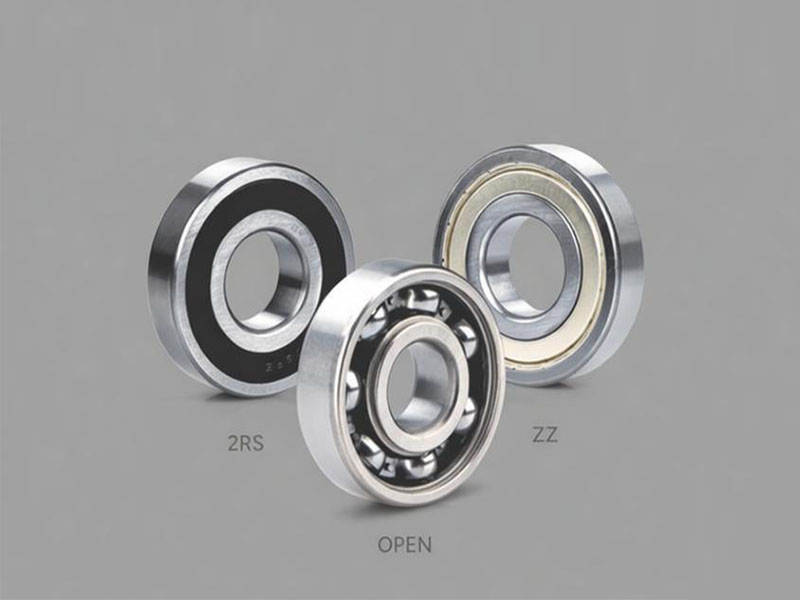
Open bearings allow relubrication but offer no contamination protection. Shielded bearings (ZZ/2Z) protect against larger particles while allowing some lubricant exchange. Sealed bearings (2RS) provide the best contamination protection and are typically lubricated for life.
Q5: What are common causes of bearing overheating?
Common causes include excessive lubrication, insufficient lubrication, incorrect bearing fit or clearance, misalignment, and operating speeds exceeding design limits.
Q6: What is the difference between bearing clearance C3 and CN (normal)?
C3 clearance is greater than CN (normal) clearance. C3 is recommended for applications with higher operating temperatures, press fits on the shaft or housing, or higher speeds, as it accommodates thermal expansion and interference fits.
Q7: How should bearings be stored before installation?
Store bearings in their original packaging in a clean, dry environment. Avoid temperature fluctuations that can cause condensation. Do not remove protective coatings until ready for installation.
Q8: When should I use a thrust roller bearing instead of a thrust ball bearing?
Thrust roller bearings are designed for heavy axial loads at low speeds, while thrust ball bearings are suitable for light to moderate axial loads at higher speeds. For applications with high axial forces—such as marine gearboxes or large vertical pumps—thrust roller bearings are the correct choice.
Conclusion
Selecting the appropriate bearing type requires balancing multiple factors: load characteristics, speed requirements, environmental conditions, installation considerations, and expected service life. No single bearing type is optimal for all applications.
Understanding the capabilities and limitations of different bearing types—from deep groove ball bearings to tapered roller bearings, cylindrical roller bearings, thrust roller bearings, and mounted units—enables more informed engineering decisions. Use the comparison table as a starting point, evaluate the six key selection factors, and consult technical resources or manufacturer application engineering support for complex applications. For technical assistance or to request a quote, contact DUHUI Bearing’s application engineering team.