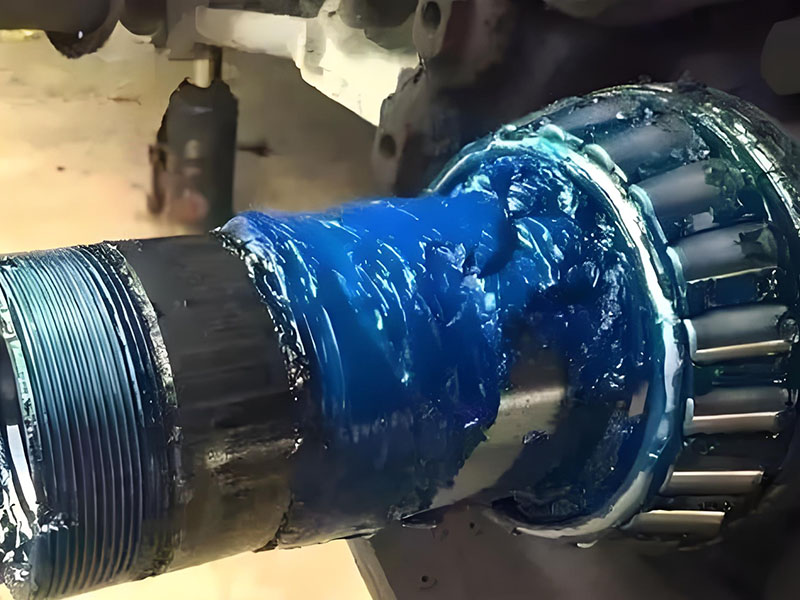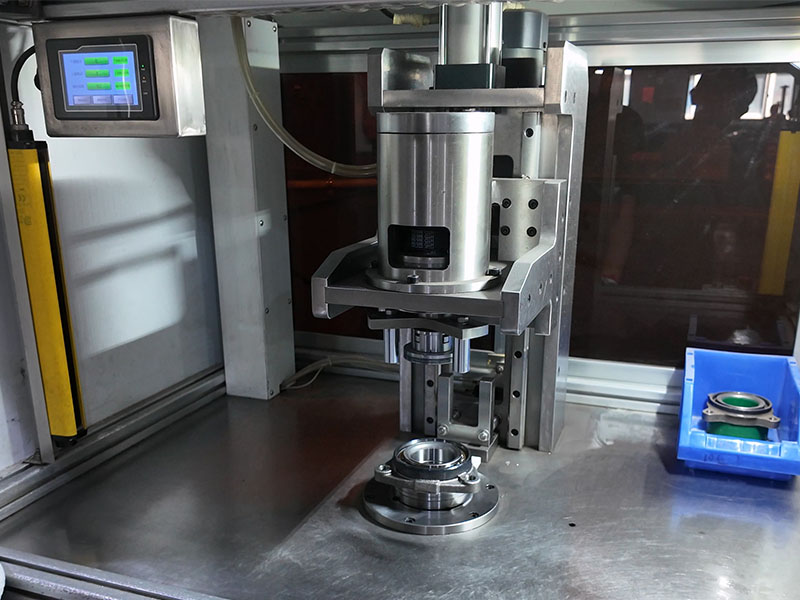
If you’ve ever wondered what keeps your driveshaft stable in a rear-wheel-drive or truck, you’ve likely come across the term “carrier bearing.” But what is a carrier bearing, and why does it matter? Understanding this component can save you from costly drivetrain failures. DUHUI will cover everything from its role to replacement costs and symptoms of failure.
1. What Is a Carrier Bearing?
A carrier bearing, also known as a center support bearing, is a critical component in vehicles with a two-piece driveshaft. It serves as a support point between the transmission and the rear axle, ensuring the driveshaft remains aligned and stable during rotation.
2. Main Functions of a Carrier Bearing
- Driveshaft support: Prevents sagging or whipping of the driveshaft, especially in longer vehicles like trucks and SUVs.
- Vibration reduction: Absorbs rotational vibrations, providing a smoother ride.
- Component longevity: Reduces stress on universal joints (U-joints) and transmission output shafts.
- Power transmission efficiency: Maintains proper driveshaft angle for efficient torque transfer.
3. Where Is the Carrier Bearing Located?
In a two-piece driveshaft system, the carrier bearing is mounted at the center of the driveshaft, typically secured to a crossmember under the vehicle. One driveshaft section runs from the transmission to the bearing, and the other runs from the bearing to the rear differential.
4. Common Symptoms of a Failing Carrier Bearing
A worn or damaged carrier bearing doesn’t fail silently. Here are the most common signs to watch for:
- Clicking sound when shifting or accelerating: A rhythmic clicking often indicates bearing wear.
- Floor shaking or vibration: Especially noticeable at certain speeds, vibration is a hallmark symptom.
- Visible cracks on the rubber bracket: The bearing is usually housed in a rubber insulator; cracks here signal impending failure.
- Metal-on-metal noise if the bearing seizes: A screeching or grinding sound means the bearing has failed completely.
If you experience any of these, it’s best to inspect or replace the carrier bearing promptly.
5. Why Quality Matters in a Carrier Bearing
Because the carrier bearing supports the entire driveshaft, its quality directly affects vehicle safety and drivetrain reliability. A low-quality bearing can fail prematurely, leading to driveline misalignment, damaged U-joints, or even a dropped driveshaft—a dangerous situation at highway speeds.
As a manufacturer specialized in automotive wheel hub and drivetrain bearings, DUHUI Bearing emphasizes precision engineering, durable materials, and rigorous testing to ensure long service life under real-world conditions. While carrier bearings may seem like a small part, choosing a reliable one makes a significant difference in performance and safety.
6. How Much Does Carrier Bearing Replacement Cost?
The cost to replace a carrier bearing typically ranges from $100 to $500, including both the part and labor.
Factors influencing the final price:
- Application: Passenger cars are generally cheaper than heavy-duty trucks or industrial equipment.
- Bearing size and type: Larger or specialized bearings cost more.
- Brand: OEM or premium aftermarket brands may come at a higher price but offer better durability.
- Labor rates: Local shop rates vary, and some vehicles require more labor to access the driveshaft.
7. How to Replace a Carrier Bearing
Replacing a carrier bearing requires mechanical skill and proper tools. Here’s a general step-by-step process:
- Lift the vehicle and secure it on jack stands.
- Remove the driveshaft from the vehicle.
- Use a bearing puller to remove the old carrier bearing from the shaft.
- Inspect the shaft splines and U-joints for wear or damage.
- Press the new bearing onto the driveshaft using a hydraulic press or bearing installation tool.
- Rebalance the driveshaft if necessary (recommended for most vehicles).
- Reinstall the driveshaft and torque all fasteners to manufacturer specifications.
Note: This is a complex job. If you’re unsure, consult a qualified mechanic.
8. FAQ
How long can I drive with a bad carrier bearing?
You should avoid driving with a failing carrier bearing. While it may last a few hundred miles in early stages, continued driving can lead to driveshaft failure, loss of vehicle control, and damage to transmission or differential.
What is another name for carrier bearing?
It is also commonly called a center support bearing or driveshaft support bearing.
Can you drive without a carrier bearing?
No. In vehicles with a two-piece driveshaft, the carrier bearing is essential for alignment and support. Driving without it would cause severe vibration and likely result in the driveshaft collapsing or disconnecting.
Can a bad carrier bearing damage other parts?
Yes. A failing carrier bearing can place excessive stress on U-joints, the transmission output shaft, and the differential pinion bearing, leading to more expensive repairs.
Conclusion
Understanding what a carrier bearing is and how it functions helps you maintain your vehicle’s drivetrain health. Whether you’re replacing one yourself or sourcing high-quality bearings for your business, choosing the right component—and recognizing early symptoms—can save time, money, and ensure safe operation.
If you’re looking for reliable carrier bearings or other drivetrain solutions, feel free to explore our product range or contact us for technical support.