In the intricate world of mechanical design, controlling the direction of motion is a fundamental challenge. How do you allow a shaft to spin freely in one direction but instantly lock and transfer torque when it tries to spin the opposite way? The answer lies in a compact yet powerful component: the One Way Bearing. Also known as a one-way clutch, this device is critical in countless applications, from the starter motor in your car to the exercise equipment at your local gym.
DUHUI will explore everything you need to know about one way bearings. We will cover their definition, design variations, working principles, key advantages, and how to select the perfect one for your needs.
1.What is a One Way Bearing?
At its core, a one way bearing is a mechanical device that allows rotation in only one direction. It permits freewheeling (or overrunning) in one rotational direction, while instantly locking in the opposite direction to transmit torque.
This simple function goes by many names in the industry. Familiarizing yourself with these terms is the first step to mastering the subject. Common synonyms include:
- One Way Bearing / 1 Way Bearing
- One Way Clutch / One Way Clutch Bearing
- Sprag Clutch Bearing / One Way Sprag Clutch
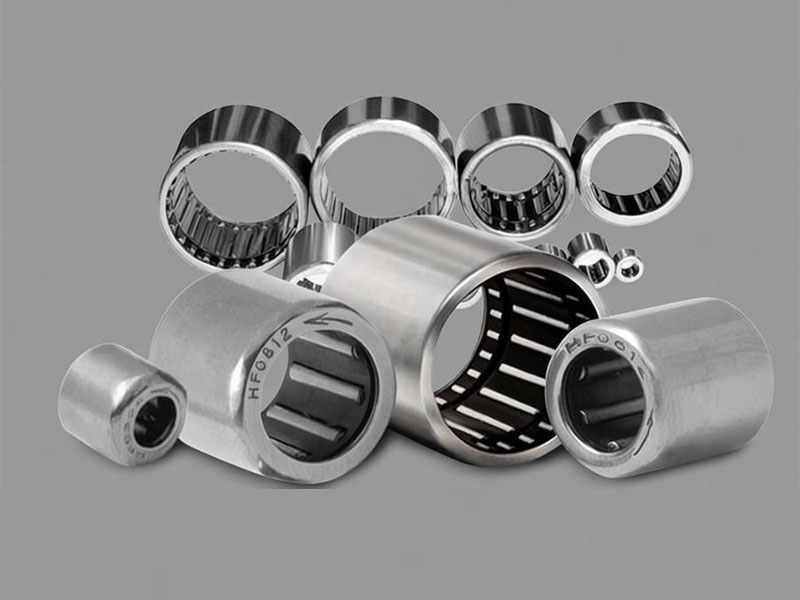
- One Way Roller Clutch / One Way Needle Roller Bearing
- One Way Needle Bearing
While these terms are often used interchangeably, they can also refer to specific design types, which we will explore next.
2.Design and Construction: Sprag vs. Roller
One way bearings are precision-engineered components. Their performance hinges on two primary design philosophies: the roller clutch and the sprag clutch.
2.1 One Way Needle Roller Clutch
This design utilizes cylindrical rollers (needle bearings) placed within precision-ground cammed races. Springs gently push the rollers into contact with both the inner and outer races.
- Mechanism: When the inner race rotates in the “free” direction, the rollers are pushed against the spring force, allowing free rotation. When rotation attempts in the opposite direction, the rollers are wedged into the decreasing space of the cam, instantly locking the races together.
- Design Variations: They can be designed as single-row or multi-row units to handle different torque and load requirements.
- Materials: Typical materials include high-grade bearing steel (like GCR15), case-hardened steel for durability, and stainless steel for corrosion resistance. Plastic springs and retainers are often used to reduce weight and friction.
2.2One Way Sprag Clutch Bearing
This design replaces rollers with specially shaped “sprags.” A sprag is a figure-eight-shaped piece that acts like a wedge between the inner and outer races.
Mechanism: The geometry of the sprag allows it to have a larger effective diameter in one direction and a smaller one in the other. In the locking direction, the sprags tilt and create a solid wedge. In the free direction, they tilt back, allowing overrunning. Sprag clutches are renowned for their high torque capacity and zero backstop accuracy in a very compact space.
3.How Does a One Way Bearing Work?
The magic of a one way bearing lies in its simple yet brilliant principle of wedging. The interaction between the inner race, outer race, and rolling elements (rollers or sprags) is key.
- Free Motion (Overrunning): Imagine the outer race rotating faster than the inner race in the same direction. In this scenario, the rolling elements are not engaged. They either roll freely or are pushed back against their springs, allowing the outer race to “overrun” or spin freely without transferring power.
- Locking Motion (Engagement): When the inner race attempts to rotate in the opposite direction, or when the outer race slows down relative to the inner race, the rolling elements are instantly wedged into the narrowing space between the races. This creates a solid mechanical lock, and torque is transmitted from one race to the other.
This dual-state capability is the core principle that makes one way bearings so versatile and valuable.
4.Key Advantages of One Way Bearings
Why choose a one way bearing over other clutching mechanisms? They offer a distinct set of benefits:
- High Torque Capacity: Despite their compact size, they can transmit significant torque, especially sprag-type designs.
- Low Backlash: The instantaneous locking mechanism results in minimal reverse rotation displacement, which is critical for precision control applications.
- Compact and Lightweight: Their integrated design saves valuable space and reduces overall system weight.
- High Durability: Designed for long life with proper lubrication and maintenance, they can withstand millions of cycles.
- Simple Maintenance: As a self-contained unit, they are easy to install and integrate into larger assemblies.
5.Applications of One Way Bearings
The versatility of one way bearings makes them indispensable across a wide range of sectors:
- Automotive Industry: Starter motors, alternators, torque converters, and hybrid powertrain systems.
- Industrial Machinery: Packaging lines, printing presses, conveyors, and machine tool changers.
- Fitness Equipment: Spin bikes, elliptical trainers, and rowing machines.
- Office & Leisure: Photocopiers, printers, and fishing reels.
- Home Appliances: Washing machine clutches for the spin cycle.
6.Installation and Maintenance of One Way Bearings
Proper handling is crucial to maximizing the lifespan of your one way bearing.
Installation Methods:
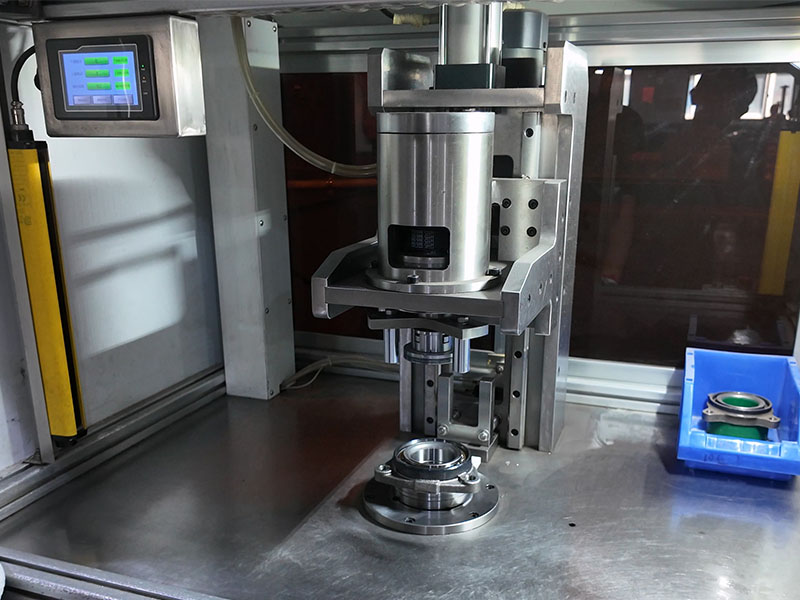
- Press-fit: Use an arbor press to apply force evenly to the ring being mounted (never through the rolling elements). Ensure the bearing housing and shaft are clean and within tolerance.
- Shrink-fit: For heavy interference fits, heating the outer race or cooling the inner race can facilitate easier mounting.
- Critical Considerations: Always ensure perfect alignment, avoid impact loads during installation, and maintain absolute cleanliness.
Maintenance Guide:
- Daily Checks: Implement a “Look, Listen, and Feel” routine. Look for leaks or discoloration, listen for unusual noises, and feel for excessive vibration.
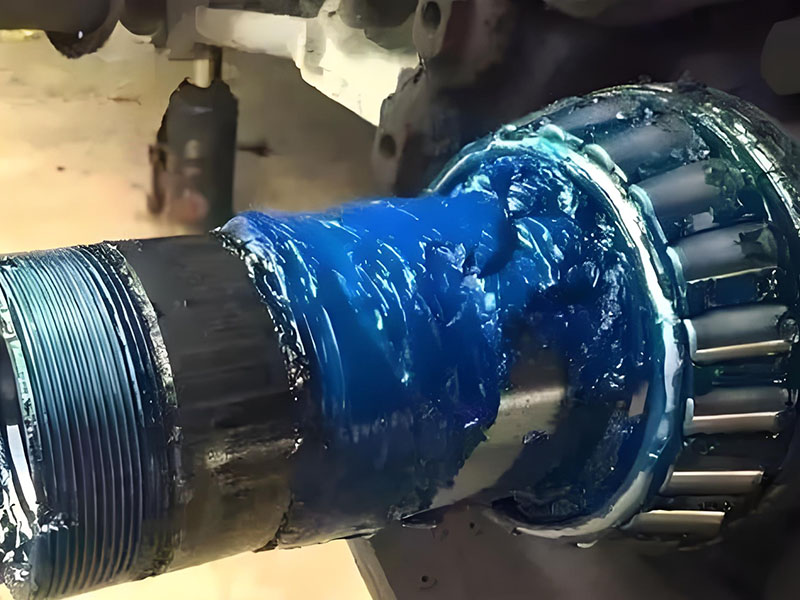
- Cleanliness is Key: Contamination is the number one enemy. Keep the surrounding area clean during operation and maintenance.
- Scheduled Replacement: Establish a preventive replacement schedule based on operating hours and manufacturer recommendations to avoid unexpected downtime.
7.Common Failure of One Way Bearings
Even the best components can fail if not properly applied or maintained. Understanding common failure modes helps in prevention:
- Wear and Spalling: Often caused by inadequate lubrication, contamination, or overload.
Prevention: Ensure proper lubrication and sealing, and verify load ratings. - Spring or Retainer Fracture: Can result from excessive vibration, high acceleration rates, or material fatigue.
Prevention: Choose a design suited for your dynamic loads and ensure smooth operation. - Loss of Locking Function: Usually caused by wear of the rolling elements or races, or contamination that prevents wedging.
Prevention: Regular inspection and maintaining a clean operating environment are vital. - Excessive Noise and Vibration: Often an early indicator of wear, misalignment, or lubrication breakdown.
Prevention: Investigate and rectify the root cause immediately upon noticing changes.
8.How to Choose the Right One Way Bearing
Choosing the optimal bearing for your application is a critical engineering decision. Here is a simple guide to follow:
Define Your Operating Conditions:
- Load: Calculate the exact torque and any radial or axial loads.
- Speed: Determine the maximum operating and overrunning speeds.
- Space: Measure the available shaft diameter and housing space.
Identify Special Requirements:
- Is a standard off-the-shelf bearing suitable, or do you need a custom solution? At DUHUI Bearing, we specialize in manufacturing non-standard bearings according to customer drawings or samples. Whether you need a specific material, a unique size, or a special coating, we can help.
Consult with Experts:
- Navigating the technical specifications can be complex. Partnering with an experienced manufacturer ensures you get the right product for the job.
Conclusion
One way bearings are small components that play a massive role in modern machinery, enabling precise motion control, efficient power transmission, and reliable performance. From understanding the difference between roller and sprag clutches to mastering installation and maintenance, the information in this guide provides a solid foundation for making informed decisions.