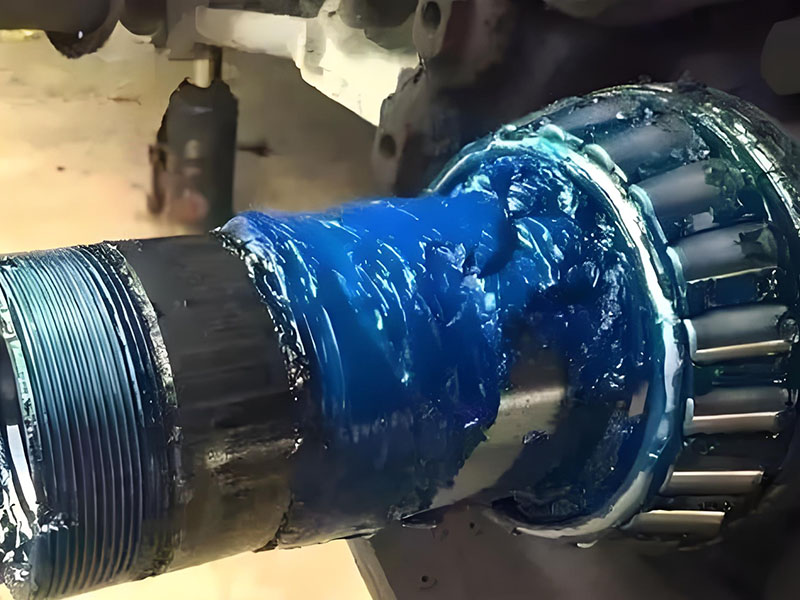
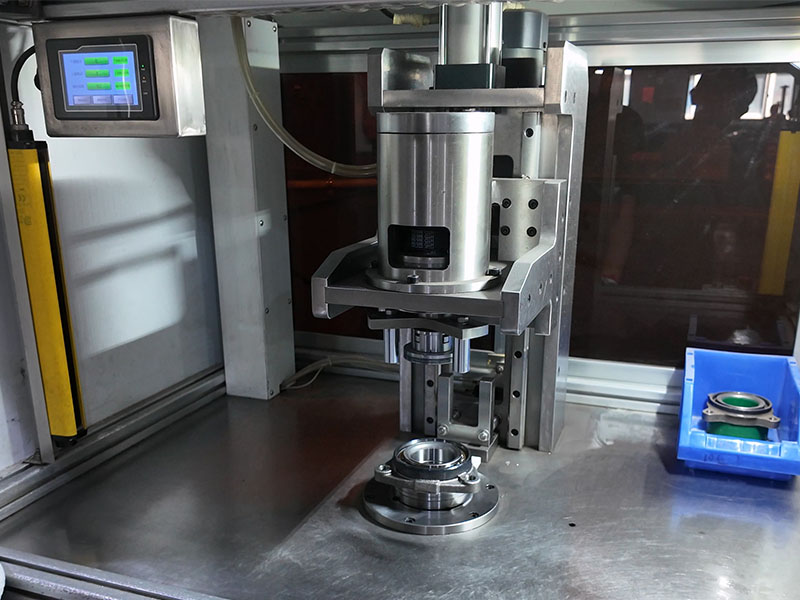
The universal joint ( U-Joint ), is a critical component in a vehicle’s drivetrain. It transfers torque from the transmission to the wheels while accommodating constant angular movement from the suspension. When a U-joint begins to fail, it doesn’t just compromise ride comfort—it can lead to a catastrophic driveline failure if ignored. How can you tell if your universal joint is going bad? What causes these critical parts to fail? DUHUI will provide a comprehensive look at the symptoms, failure modes, and a professional approach to troubleshooting universal joints.
1.The Symptoms of Universal Joint Failure
Early detection of U-joint issues can save you from costly repairs and dangerous breakdowns. Here are the most common indicators that a universal joint is nearing the end of its service life.
Unusual Noises: Clicking, Clunking, and Squeaking
One of the first signs of a worn U-joint is a distinct noise.
- Clicking or Clunking: A sharp, metallic clicking or clunking sound, especially when shifting from drive to reverse or during acceleration from a stop, often indicates excessive internal clearance.
- Squeaking or Chirping: A high-pitched squeak, particularly at low speeds, can signal that the needle bearings inside the U-joint are dry or have begun to rust.
Noticeable Vibrations
A worn U-joint can cause a driveline vibration that intensifies with vehicle speed. This vibration can often be felt through the floorboard or the seat, especially during acceleration or deceleration. It’s a clear sign that the joint is no longer rotating smoothly and is creating an imbalance.
Fluid Leakage (Grease)
For serviceable U-joints, grease is vital. If you notice fresh grease slung around the joint or on the underside of the vehicle near the driveline, it may indicate a failed seal, allowing contaminants in and lubricant out. While non-greaseable “sealed” joints are not immune—a lack of grease leads to accelerated wear.
2.Common Universal Joint Failure Modes
Understanding how a universal joint fails is key to implementing the right solution. From a manufacturing perspective, these failures tell a story about the stresses the component endured.
2.1Wear-Induced Failures: The Inevitable Progression
The most common failure mode is wear. Over time, the constant pressure and movement cause the needle bearings to wear down, creating increased clearance (end play). This is often accelerated by a lack of proper lubrication. As the bearing surfaces degrade, the joint begins to move within its own race, leading to a phenomenon called brinelling, where the bearing races become permanently deformed. Once this clearance becomes excessive, the characteristic clicking and vibration begin.
2.2Catastrophic Failures: From Fracture to Separation
Catastrophic failure, such as a broken cross shaft or a shattered bearing cup, is often the result of extreme stress or the culmination of prolonged neglect.
- Overload: Severe shock loads from off-roading, heavy towing, or sudden impacts can exceed the material’s yield strength, leading to a fracture.
- Fatigue: Microscopic cracks can form over time due to cyclical stress. If a joint is already worn and subjected to excessive vibration, these cracks can propagate until the component fails completely, potentially causing the driveshaft to detach from the vehicle.
2.3Surface Degradation: Corrosion and Heat Damage
Environmental factors play a significant role.
- Corrosion: Exposure to water, road salt, and other contaminants can cause rust on the bearing surfaces and inside the bearing cups. This corrosion pits the surfaces, creating friction and rapid wear.
- Burning (Thermal Damage): A distinct blue or purple discoloration on the cross shaft is a telltale sign of excessive heat. This occurs when lubrication is completely absent, and metal-on-metal friction generates temperatures high enough to alter the steel’s metallurgical properties, leading to premature failure.
3.A Step-by-Step Guide to Universal Joint Troubleshooting
When a U-joint is suspected to be failing, a systematic approach is necessary for accurate diagnosis. While a professional technician will have a lift and specialized tools, many of these steps can be performed with a careful eye and basic tools.
3.1Preliminary Inspection: The First Line of Defense
- Safe Lifting: Safely raise and support the vehicle, ensuring all wheels are free to rotate.
- Visual Check: Inspect the U-joints for signs of rust, missing or damaged bearing caps, and any evidence of grease leakage.
- Diagonal Push-Pull Test: Grasp the driveshaft firmly and attempt to rotate it in opposite directions. The “diagonal” method involves applying opposing force across the joint—for example, pushing up on one side while pulling down on the opposite side. Any noticeable clunking or movement indicates excessive play.
3.2Quantitative Measurement: Setting the Standard
For a more precise assessment, specific measurements are used.
- Torque Check: While the U-joint is still installed, a technician can feel the smoothness of its rotation. A joint that feels “notchy” or has inconsistent resistance is failing.
- Axial Clearance Measurement: Using a dial indicator against the driveshaft flange or yoke, the end play can be measured. While specifications vary by vehicle, any movement beyond a few thousandths of an inch (e.g., 0.010” or 0.25mm) typically indicates that the joint is worn and should be replaced.
3.3Corrective Actions: Repair vs. Replacement
In almost all cases, a worn or damaged universal joint cannot be repaired—it must be replaced. A proper replacement involves:
- Correct Installation: Using a shop press or a specialized U-joint press to avoid damaging the new joint’s bearing cups.
- Phase Alignment: Ensuring the driveshaft is correctly “phased.” This means the yokes at both ends of the driveshaft are aligned in the same plane, which is critical for preventing new vibrations.
4.Best Practices for Preventive Maintenance and Installation
Extending the life of a universal joint hinges on proactive care and precision work.
- Adhere to Lubrication Schedules: If you use serviceable U-joints, follow the manufacturer’s recommended lubrication interval. Use a high-quality, extreme-pressure (EP) grease.
- Prioritize Proper Installation: Using the correct tools and techniques is non-negotiable. Even a high-quality joint can fail prematurely if it’s installed with a hammer and punch, damaging the needle bearings.
- Confirm Phase Alignment: After any driveline service, always double-check the phasing. This simple step ensures balanced rotation and prevents premature wear on the new components.
Conclusion
From the first telltale squeak to a full-blown driveline vibration, recognizing and addressing universal joint issues early is crucial for vehicle safety and reliability. Understanding the common failure modes—whether from progressive wear, catastrophic overload, or corrosive damage—allows for a more informed diagnostic approach. A systematic troubleshooting process, culminating in precise measurement and correct installation, is the only way to ensure a lasting repair.
For high-quality universal joints that meet stringent durability standards, partnering with an experienced manufacturer makes all the difference. If you are looking for reliable solutions for your driveline needs, we invite you to explore our product range or contact our technical team.