That subtle clunk when you shift gears or the growing vibration on the highway is your vehicle’s way of sending an SOS. Often, the culprit is a small but mighty component: the universal joint (U-joint). Understanding the effects of a U-joint failure is crucial—not just for repairs, but for safety. Ignoring a failing U-joint can trigger a chain reaction of damage, turning a minor maintenance issue into a major financial and safety disaster.
1.The Root Causes of U-joint Failure
To understand the effects, we must first look at the causes. U-joints are designed to handle immense stress while transmitting power through angles, but they are not invincible. Failure typically occurs due to a few key factors:
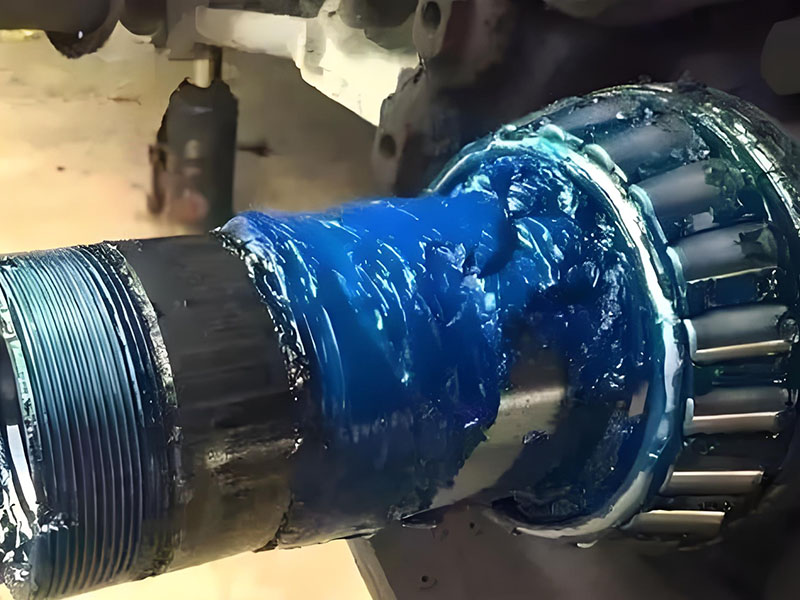
- Lack of Lubrication: This is the most common cause. U-joints operate with needle bearings that require constant grease. When grease dries out or is never applied, friction skyrockets, leading to heat buildup and immediate wear.
- High Mileage and Wear: Like all mechanical parts, U-joints have a finite lifespan. Normal wear and tear over hundreds of thousands of miles will eventually cause the bearings to pit and fail.
- Extreme Operating Angles: Lifted trucks or vehicles with heavy loads often force the U-joint to operate beyond its designed angle. This puts uneven stress on the bearings, leading to premature failure.
- Improper Installation: Damage during installation—such as using an impact wrench to tighten the retaining clips or misaligning the yoke—can introduce stress fractures that lead to early failure.
2.The Symptoms and Effects of U-joint Failure
A U-joint rarely fails silently. It provides clear warnings. Recognizing these signs early can save you from the severe domino effect of secondary damage.
2.1The Early StageSymptoms
- Clunking Noise: A distinct “clunk” when shifting from Drive to Reverse is a classic sign of excessive play in the U-joint.
- Squeaking at Low Speed: If you hear a chirping or squeaking noise when pulling away slowly, the needle bearings inside the joint have likely run dry and are beginning to bind.
- Drivetrain Vibration: As the U-joint wears, it throws the driveshaft off-balance, causing noticeable vibrations that often start at specific speeds (e.g., 50-55 mph).
2.2The Intermediate Stage Effect
If the initial symptoms are ignored, the failing joint begins to damage surrounding components. The violent vibrations and erratic movement place extreme stress on:
- Driveshaft Components: The driveshaft itself can become bent or fatigued due to the imbalanced rotation.
- Transmission and Differential Seals: The violent shaking can compromise the output shaft seal on the transmission and the pinion seal on the differential, leading to expensive fluid leaks.
- Bearing Failure: This is where DUHUI’s expertise comes into focus. The excessive vibration and heat generated by a failing U-joint are directly transmitted to the transmission output shaft bearings and the differential carrier bearings. A bad U-joint can drastically shorten the lifespan of these precision components, leading to whining noises and, ultimately, catastrophic internal failure.
2.3 The Final Stage Safety Hazard
The final stage of a U-joint failure is dangerous.
- Complete Loss of Power: The joint can separate entirely, disconnecting the driveshaft from the transmission or differential. This results in a sudden, complete loss of power to the wheels.
- Driveshaft Detachment: In a worst-case scenario, the driveshaft can detach and dig into the road surface. The “slapping” effect can cause the vehicle to launch unexpectedly or damage the floor pan, fuel lines, and brake lines, leading to a complete loss of control.
3.How to Diagnose a Failing U-joint
If you suspect trouble, a quick diagnosis can prevent the worst effects of a U-joint failure.
- The Visual Check: With the vehicle safely raised, inspect the U-joint for rust dust (often a fine, rust-colored powder around the grease fitting or caps). This indicates internal wear.
- The Physical Check: Grab the driveshaft and try to move it up and down and side to side. Any movement or play in the U-joint itself means it needs replacement.
- The Road Test: Listen for the specific clunks and feel for vibrations. Note that vibration from a U-joint often feels different from a tire vibration—it’s often felt more in the floorboard or seat.
4.Prevention: Ensuring Longevity and Safety
Preventing a U-joint failure is far more cost-effective than repairing the damage it leaves in its wake.
- Adhere to Maintenance Schedules: Regularly lubricate your U-joints if they have grease fittings. This simple act is the best defense against failure.
- Listen to Your Vehicle: Treat unusual noises or vibrations as urgent warnings, not minor annoyances.
- Ensure Proper Installation: When replacing U-joints, use quality components and ensure they are installed straight and true. A poorly installed joint will fail quickly.
- Inspect After Impact: If you frequently drive on rough terrain or have accidentally struck an object, have the driveshaft and U-joints inspected for hidden damage.
Conclusion
The humble U-joint plays a pivotal role in your vehicle’s reliability and safety. As we’ve explored, the effects of a U-joint failure can range from a minor noise to a catastrophic, and even dangerous, loss of control. By understanding the causes, recognizing the warning signs, and adhering to a proactive maintenance routine, you protect not just the U-joint, but the entire drivetrain—including the critical bearings that keep your wheels turning.