One-way clutch bearings, also known as sprag or freewheel bearings, are critical components in modern mechanical systems. They are designed to transmit torque in one rotational direction and allow free rotation in the opposite direction. Proper installation is crucial to ensure optimal performance and longevity. A misaligned or incorrectly installed bearing can lead to premature failure, equipment damage, and costly downtime.
In this article, DUHUI will provide a technical, step-by-step walkthrough for installing one-way clutch bearings correctly.
1. Understanding One-Way Clutch Bearings
Before diving into the installation process, it is essential to understand the component you are handling. One-way clutch bearings are precision components with specific mechanical characteristics.
1.1 What is a One-Way Clutch Bearing?
A one-way clutch bearing is a mechanical device that allows a shaft to rotate freely in one direction (overrunning) while locking solidly in the opposite direction (driving). This is achieved through internal locking elements (such as sprags or rollers) that engage or disengage based on rotational direction.
1.2 Types of One Way Clutch Bearings
Different applications require different clutch designs. Common types include:
- Sprag Type: Uses specially shaped sprags between inner and outer races. Known for high torque capacity in a small space.
- Roller Type (Rampe): Uses rollers positioned in ramps. When rotation occurs in the locking direction, the rollers wedge, creating friction.
- Cam Type: Utilizes a cam on the shaft or housing to engage and disengage.
- Tandem Type: Multiple clutches arranged to handle higher torque or provide redundancy.
- Ratchet Type (Pawl): Uses pawls that engage with gear teeth. Often used in indexing applications.
2. Step 1: Pre-Installation Inspection
Begin by inspecting the bearing and all associated components. Remove the bearing from its packaging just before installation to prevent contamination. Check the bearing for any signs of rust, damage, or shipping debris. Inspect the shaft and housing for burrs, nicks, or scratches that could affect the fit.
3. Step 2: Check Fit and Tolerances
Proper fit is non-negotiable for one-way clutch bearings. The bearing must have the correct interference or clearance with both the shaft and the housing.
- Fit with the Shaft: Usually, the inner race requires a tight (interference) fit to prevent slipping during the locking phase.
- Fit with the Housing: The outer race may require either a press fit or a slip fit depending on the design.
Always refer to the manufacturer’s technical specifications for exact dimensional tolerances.
4. Step 3: Prepare the Shaft and Housing
Thoroughly clean the shaft and housing bore. Remove any protective coatings, oil, or debris. Apply a thin film of clean oil to the mating surfaces to prevent galling during installation. Ensure the shaft and housing are free of burrs and sharp edges.
5. Step 4: Bearing Installation
The method of installation depends on the fit type and the bearing design.
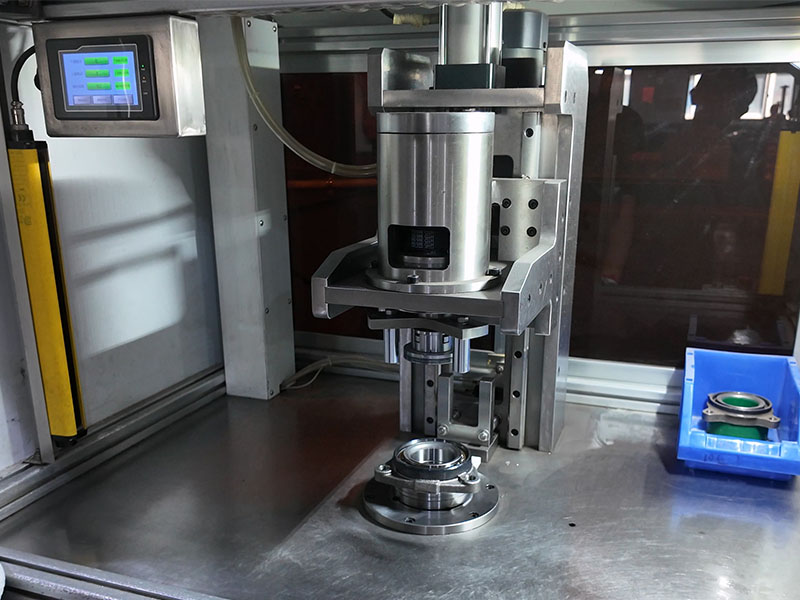
- Press Fit Method: Apply force only to the race being mounted. Never apply force through the rolling elements or the clutch mechanism. Use an appropriately sized mounting sleeve or arbor press to ensure even pressure.
- Avoiding Misalignment: Start the bearing squarely on the shaft or into the housing. Misalignment during the initial press can brinell the raceways or damage the clutch elements, leading to premature failure.
6. Step 5: Proper Lubrication
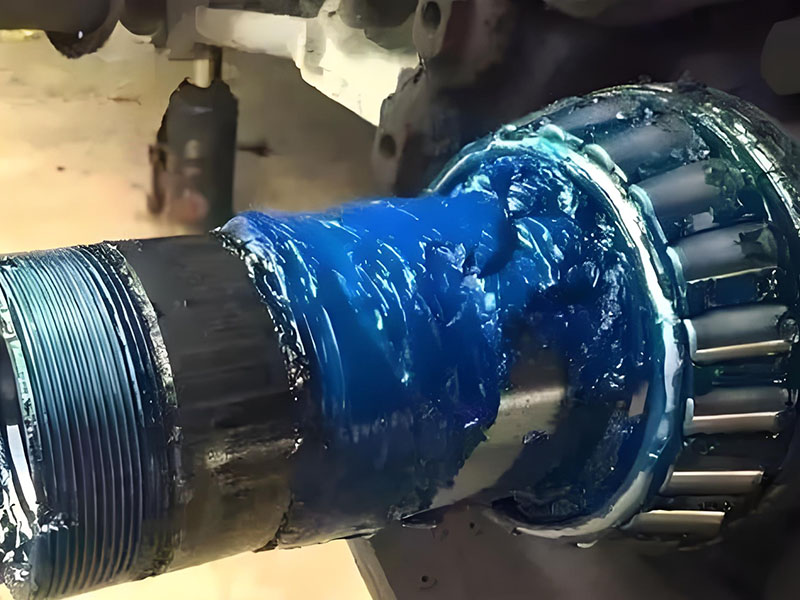
One-way clutch bearings require specific lubrication for optimal performance. The lubricant reduces friction, dissipates heat, and protects against corrosion.
- Apply the recommended type and quantity of lubricant.
- Important: Some clutch designs rely on the friction characteristics of the lubricant. Using the wrong lubricant can change the engagement torque and cause slippage.
7. Step 6: Securing and Testing
After mechanical installation:
- Secure the Bearing: Ensure any retaining rings, end caps, or set screws are properly tightened according to specifications to prevent axial movement.
- Manual Rotation Test: Rotate the shaft by hand in both directions. You should feel smooth rotation in the freewheel direction and immediate locking in the drive direction.
- No-Load and Load Testing: Run the assembly at low speed with no load to check for unusual noise or vibration. Gradually apply a load to ensure the clutch engages properly under operating conditions.
8. Maintenance and Service
To maximize the lifespan of your one-way clutch bearings:
- Regular Inspection Intervals: Schedule periodic inspections based on operating hours and application criticality.
- Lubrication Maintenance: Replenish or replace lubricant as per the maintenance schedule.
- Condition Monitoring: Listen for abnormal noises (grinding or rattling) and monitor for changes in operating temperature, which can indicate wear or failure.
9. Common Installation Errors and Precautions
Avoid these frequent mistakes to ensure reliability:
- Forcing the Bearing: Never hammer the bearing directly. Use proper tools.
- Skipping Lubrication: Never run a one-way clutch bearing dry, even for a test.
- Ignoring Fit Requirements: Assuming a “universal” fit can lead to slippage or seizure.
- Incorrect Orientation: Installing the bearing backward will result in no drive function. Always verify the directional arrows or markings on the bearing.
One Way Clutch Bearing Installation FAQ
What are the most common applications for one way clutch bearings?
They are widely used in starter motors for automotive engines, conveyors (for backstopping), fishing reels, indexing tables, and aerospace actuators.
Can I use any lubricant for one way clutch bearings?
No. Using generic grease can alter the friction coefficient required for the clutch to engage properly. Always use lubricants recommended by the bearing manufacturer or specified for the application.
What if the bearing feels loose during installation?
If the bearing slides onto the shaft with zero resistance when an interference fit is required, the shaft may be undersized or the bearing bore oversized. Do not operate the equipment. A loose fit will cause the inner race to slip, destroying the shaft and the bearing immediately. You must replace either the shaft or the bearing to achieve the correct tolerance.
Conclusion
By following these detailed steps, you ensure that your one-way clutch bearings operate at peak efficiency. At DUHUI Bearing, we combine 20 years of manufacturing expertise with rigorous quality control to deliver bearings you can trust. If you have specific questions about bearing selection or installation for your project, contact our engineering team today.