Water pump bearings are critical components in automotive cooling systems and industrial pumping equipment. They support the pump shaft, withstand radial and axial loads, and enable smooth rotation. DUHUI will explain which bearings are used in water pumps, how to identify failure symptoms, the replacement process, and key selection criteria.
What Bearing Is Used in a Water Pump?
In most automotive water pumps, a double-row angular contact ball bearing or a dedicated water pump bearing unit is used. These bearings are designed to handle combined loads (radial and axial) while accommodating the high-speed rotation of the pump shaft. Unlike standard bearings, a water pump bearing often integrates the shaft as part of the inner race, with two rows of balls arranged at an angle to optimize load distribution.
Key characteristics of a water pump bearing include:
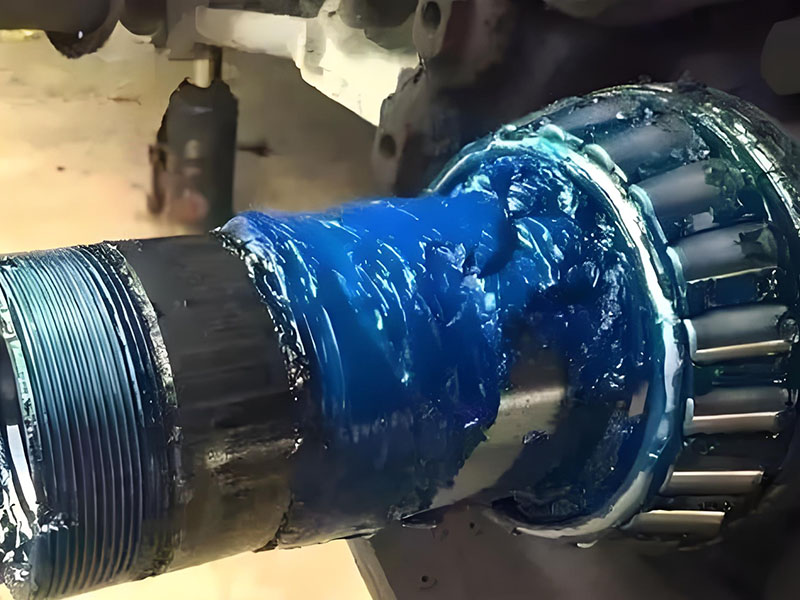
- Pre-lubricated with high-temperature grease
- Integrated sealing rings to prevent coolant or debris ingress
- Compact design that reduces assembly complexity
For most passenger vehicles and light trucks, this double-row angular contact configuration is the industry standard. Some heavy-duty or specialty pumps may use modified deep groove ball bearings with reinforced cages.
Types of Bearings Used in Pumps (General Applications)
Beyond automotive water pumps, different pump types require different bearing arrangements. The table below summarizes common bearing types used in various pumping systems.
| Bearing Type | Typical Applications in Pumps | Key Characteristics |
|---|---|---|
| Single-row deep groove ball bearings | Small centrifugal pumps, circulation pumps | Low friction, high speed, accommodates radial and moderate axial loads |
| Double-row angular contact ball bearings | Automotive water pumps, coolant pumps | Higher rigidity, supports bidirectional axial loads, pre-lubricated |
| Cylindrical roller bearings | Large industrial pumps, multistage pumps | High radial load capacity, separable design for easy mounting |
| Thrust bearings | Vertical pumps, propeller pumps | Handles pure axial loads, often combined with radial bearings |
| Specialty bearings (e.g., magnetic, fluid film) | Sealless pumps, high-purity chemical pumps | No mechanical contact, zero leakage, requires external systems |
Selecting the correct bearing type depends on the pump’s operating conditions, including load direction, speed, and fluid characteristics.
Symptoms of a Bad Water Pump Bearing
Recognizing early signs of a failing water pump bearing can prevent engine overheating and costly damage. Common symptoms include:
- Unusual noise: A high-pitched squealing, grinding, or rumbling sound from the front of the engine, especially during cold starts or acceleration. This indicates worn balls or damaged raceways.
- Coolant leaks: When the bearing seal fails, coolant may escape through the pump’s weep hole. Visible drips or a dried coolant trail near the pump housing are typical indicators.
- Overheating: A seized bearing stops the impeller from rotating properly, reducing coolant flow and causing the engine to run hot.
- Pulley play or vibration: With the engine off, grasp the water pump pulley and attempt to move it side to side. Any noticeable looseness or wobble suggests bearing wear.
If any of these symptoms appear, prompt inspection and replacement are recommended to avoid further damage to the cooling system.
Water Pump Bearing Replacement – Step by Step
Replacing a water pump bearing often requires removing the entire water pump assembly. In many modern vehicles, the bearing is not sold separately; a complete pump replacement is the standard repair. However, for pumps where the bearing is replaceable, the general procedure is as follows:
- Drain the cooling system and disconnect the battery.
- Remove the drive belt(s) and any accessory components blocking access to the water pump.
- Disconnect hoses from the water pump and unbolt the pump assembly from the engine block.
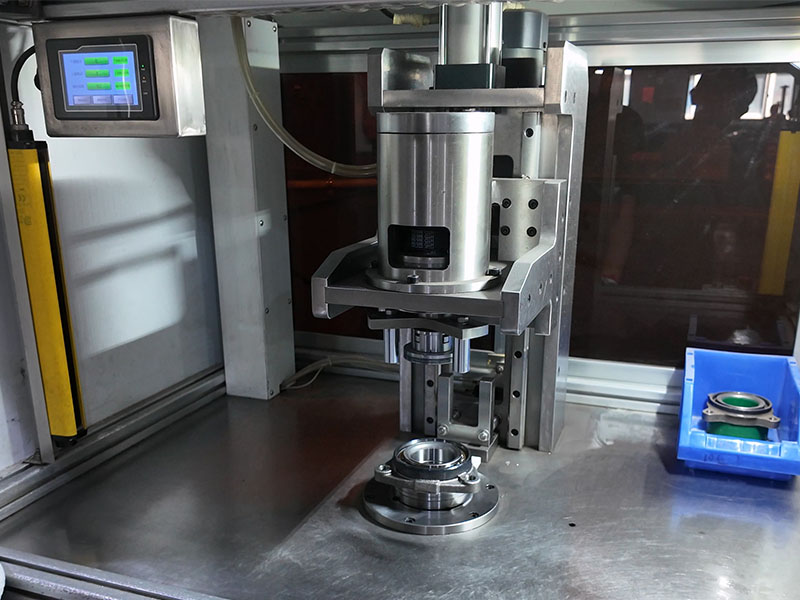
- Secure the pump on a press and push out the old bearing/shaft unit from the housing.
- Press in the new bearing (or pre-assembled shaft and bearing unit) to the correct depth. Ensure proper alignment.
- Install new seals or gaskets to prevent leaks.
- Reinstall the water pump, reconnect hoses, refill with coolant, and bleed the system.
- Run the engine and check for leaks or abnormal noise.
Note: Most professional mechanics recommend replacing the entire water pump rather than only the bearing, as seals and impellers also degrade over time. Always consult your vehicle or pump manufacturer’s manual for specific instructions.
How to Select the Right Bearing for a Pump
Choosing the correct pump bearing requires evaluating several technical parameters. The following factors are essential for reliable operation:
- Load capacity: Calculate both radial and axial loads. Double-row angular contact bearings are preferred for combined loads, while cylindrical rollers excel under heavy radial loads.
- Speed: High-speed pumps (e.g., automotive water pumps) need precision bearings with good cage design and balanced internal geometry. Deep groove ball bearings handle high speeds well.
- Lubrication: For sealed, maintenance-free bearings (common in water pumps), pre-filled grease with high-temperature stability is required. For industrial pumps, lubrication may be necessary.
- Fluid type and temperature: Coolant, corrosive chemicals, or high temperatures affect bearing material and seal choice. Stainless steel or ceramic hybrid bearings may be needed for aggressive media.
- Sealing requirements: Contact rubber seals (e.g., 2RS) offer better contamination protection but increase friction. Non-contact metal shields (ZZ) allow higher speeds but less protection. Water pump bearings typically use specialized integrated seals.
Always cross-reference the original equipment manufacturer (OEM) specifications for dimensions (bore, outer diameter, width) and tolerance classes.
Conclusion
Water pump bearings are precision components that directly impact pump longevity and cooling system performance. Most automotive water pumps use double-row angular contact ball bearings with integrated shafts and seals. Recognizing failure symptoms such as noise, leaks, or pulley play enables timely replacement. When selecting a bearing for any pump application, consider load, speed, lubrication, fluid compatibility, and sealing. Proper selection and installation reduce downtime and maintenance costs. Manufacturers including DUHUI Bearing supply water pump bearings and other bearing solutions designed to meet industry standards. For specific applications, consult a bearing engineer or refer to the pump’s original technical documentation.