Pinion bearings are critical components in automotive drivetrains, particularly within differentials and steering systems, as well as in various industrial power transmission applications. Their primary role is to support the pinion shaft and maintain precise alignment with the ring gear, ensuring smooth power transfer. But how do you know when a pinion bearing is failing? What are the different types available, and how can you extend their service life? DUHUI will answer these common questions and provide a detailed look at pinion bearing fundamentals, failure symptoms, and best practices for selection and maintenance.
1. What Are Pinion Bearings?
A pinion bearing is a type of antifriction bearing designed to support the pinion gear shaft. In a vehicle’s differential, the pinion bearing holds the pinion gear in precise mesh with the ring gear, enabling the transfer of rotational force from the driveshaft to the axles. In industrial machinery, pinion bearings serve a similar function, ensuring accurate gear engagement under varying loads. Without properly functioning pinion bearings, gear alignment suffers, leading to increased wear, noise, and ultimately, driveline failure.
2. Common Types of Pinion Bearings and Their Characteristics
Choosing the correct pinion bearing type is essential for performance and durability. The three most common types are:
- Ball Bearings: Suitable for high-speed applications with relatively light radial loads. They offer low friction but have limited capacity for heavy thrust loads, making them less common in high-torque differential applications.
- Cylindrical Roller Bearings: Designed to handle high radial loads. They are often used in industrial gearboxes or as support bearings where axial load is minimal.
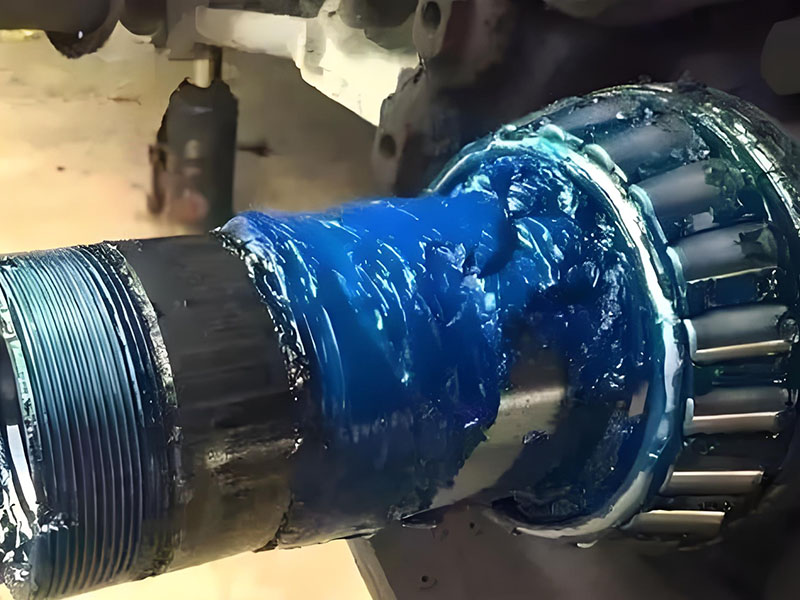
- Tapered Roller Bearings: The most widely used type for automotive pinion applications. Their conical rollers and raceways allow them to efficiently manage combined radial and thrust loads. Tapered roller bearings also enable precise preload adjustment, which is critical for maintaining proper gear mesh and extending bearing life.
3. How Do Pinion Bearings Work?
Pinion bearings operate by providing stable, low-friction support for the rotating pinion shaft. The bearing’s internal rolling elements—whether balls or rollers—distribute the load evenly across the raceways, minimizing friction and wear. This stability ensures that the pinion gear remains consistently engaged with the ring gear, preventing misalignment that could lead to premature gear wear or failure. In essence, pinion bearings are responsible for both supporting the shaft and enabling smooth, uninterrupted rotation under varying speeds and loads.
4. Symptoms of a Failing Pinion Bearing
Recognizing early signs of pinion bearing failure can save you from costly repairs. Common symptoms include:
- Whining or Howling Noise: A high-pitched noise that changes pitch with vehicle speed, especially during acceleration or deceleration, often points to worn pinion bearings.
- Vibration: Excessive play in the bearing can cause vibrations felt through the chassis, steering wheel, or floorboard.
- Grinding or Rumbling: As internal components degrade, metal-on-metal contact produces a grinding or rumbling sound.
- Uneven Tire Wear or Driveline Looseness: In automotive applications, failing pinion bearings can affect driveline alignment, leading to irregular tire wear or a noticeable clunk during gear engagement.
5. Common Causes of Pinion Bearing Failure
Understanding why pinion bearings fail helps in preventing recurrence. The most frequent causes include:
- Insufficient or Degraded Lubrication: Low oil levels, contaminated lubricant, or improper viscosity can accelerate wear.
- Excessive Load or Shock Loading: Overloading beyond the bearing’s design capacity, or sudden impact loads, can cause deformation or fatigue.
- Improper Installation or Incorrect Preload: Even high-quality bearings will fail prematurely if installed with incorrect preload or misaligned components.
- Overheating: Poor heat dissipation or sustained high-temperature operation degrades lubricant and bearing materials.
6. How to Choose the Right Pinion Bearing
Selecting a replacement pinion bearing requires attention to several key factors:
- OEM Specification Matching: Always refer to original equipment manufacturer (OEM) part numbers or detailed dimensional and load specifications.
- Material and Heat Treatment: High-quality bearings use advanced steel alloys and precise heat treatment to ensure fatigue resistance and dimensional stability.
- Precision Class: Pinion applications often require bearings with high running accuracy to maintain proper gear mesh. Ensure the selected bearing meets the required tolerance class.
7.Maintenance and Prevention Tips of Pinion Bearings
Proactive maintenance is the most effective way to extend pinion bearing life. Key practices include:
- Regular Lubrication: Use the recommended lubricant type and quantity. Maintain proper oil levels and change lubricants according to service intervals.
- Managing Operating Temperature: Ensure adequate cooling and avoid prolonged operation under extreme loads.
- Controlling Load: Avoid exceeding rated loads and minimize shock loading where possible.
- Ensuring Correct Installation and Preload: Follow manufacturer specifications for torque and preload settings. Use proper tools and techniques during installation.
- Timely Replacement: Address early warning signs such as unusual noise or vibration before secondary damage occurs to gears or housings.
Conclusion
Pinion bearings play a vital role in ensuring the reliability and efficiency of drivetrains and industrial power transmission systems. By understanding their types, recognizing early failure symptoms, and adhering to proper selection and maintenance practices, you can significantly reduce downtime and extend service life. Whether you are maintaining a vehicle or specifying components for industrial equipment, focusing on precision, proper lubrication, and correct installation will help you achieve optimal performance from your pinion bearings.