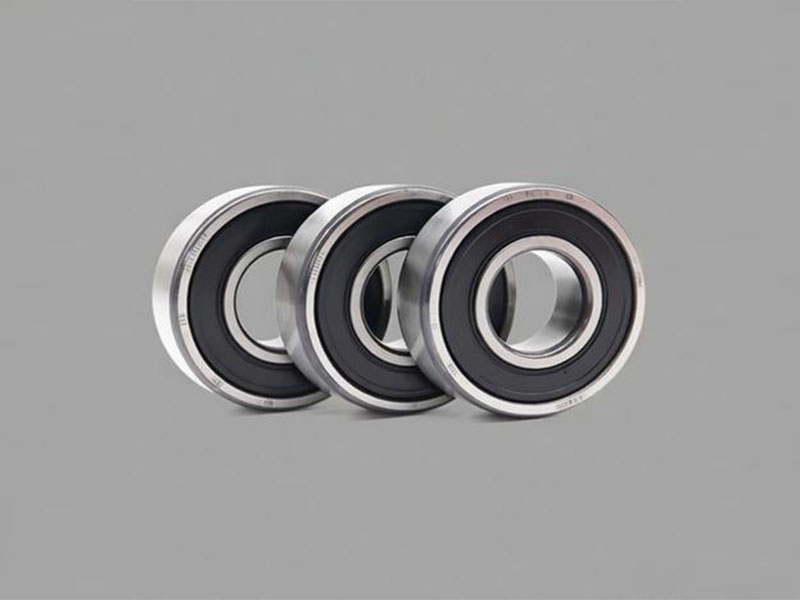
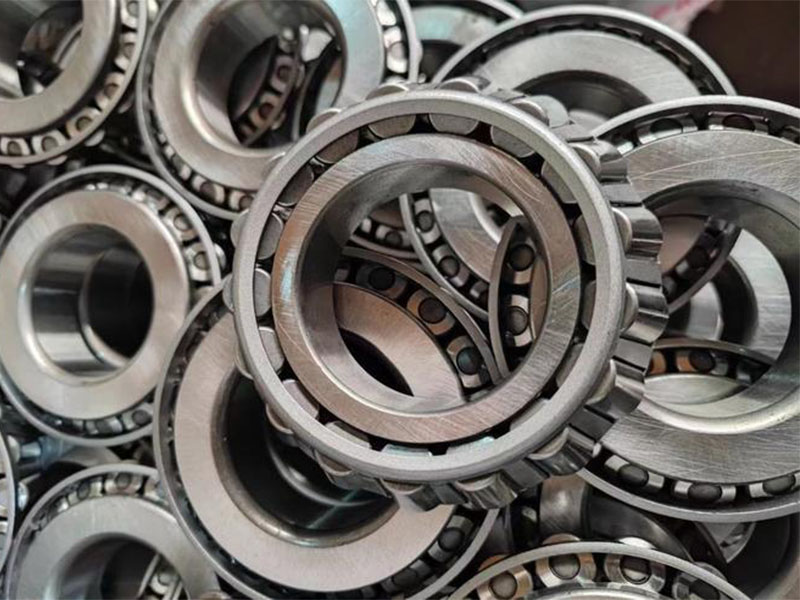
Bearings enable motion, reduce friction, and carry the immense loads that keep your equipment running. However, when a bearing fails, it can lead to costly downtime, unexpected repairs, and even catastrophic safety incidents. For industries relying on automotive hubs or heavy machinery, understanding how to prevent bearing failures is not just a maintenance task—it’s a critical business strategy.
DUHUI will walk you through the common causes of bearing failure and, more importantly, provide a clear roadmap of preventative measures. By the end, you’ll have the knowledge to significantly extend the life of your bearings and ensure the reliability of your operations.
What is Bearing Failure
A bearing failure occurs when a bearing can no longer perform its intended function—typically, supporting a load with acceptable rotational accuracy and minimal friction. This can range from minor degradation in performance to a complete seizure of the component.
Common Types of Bearing Failure
Identifying the type of damage is the first step in diagnosing the root cause. Here are the most common failure modes:
- Wear: A gradual removal of material from the surfaces, often caused by fine contaminants or inadequate lubrication. It leads to increased internal clearance and noise.
- Fatigue Spalling: This appears as flaking or pitting of the raceway surfaces. It is the classic end-of-life failure for a properly installed and lubricated bearing, caused by subsurface stresses exceeding the material’s fatigue limit.
- Corrosion: A reddish-brown or pitted surface caused by moisture or corrosive chemicals entering the bearing. It acts as a stress riser and accelerates fatigue.
- Fracture/Cracking: A clear sign of sudden overload, severe impact, or improper mounting techniques (like forcing a bearing onto a shaft).
- Plastic Deformation: Brinelling (indentations) on the raceways, usually caused by static overload or improper assembly where the mounting force is transmitted through the rolling elements.
The Cause of Bearing Failure
Industry studies consistently show that less than 10% of bearing failures are due to the bearing reaching its true material fatigue life. The vast majority are premature failures caused by identifiable and preventable factors.
Lubrication Issues: The Leading Cause
Lubrication is the lifeblood of a bearing. Problems arise from:
- Insufficient Lubricant: Leads to metal-on-metal contact, causing rapid heat generation and wear.
- Wrong Lubricant: Using a grease with the wrong viscosity or base oil can prevent the formation of a proper lubricating film.
- Over-lubrication: Packing too much grease can cause churning, leading to excessive heat and eventual lubricant breakdown.
Contamination: The Silent Killer
Even microscopic particles can act as an abrasive, grinding away at the precision surfaces. Common contaminants include dust, dirt, moisture, and metal shavings from worn gears. Seals can fail, or contaminants can be introduced during maintenance.
Improper Mounting and Installation
This is a frequent cause of failure. Using a hammer or applying force to the wrong race can create microscopic cracks or brinell the raceways. Misalignment during installation leads to uneven load distribution and premature fatigue.
Overloading and Fatigue
Every bearing has a specific load rating. Continuously subjecting a bearing to loads beyond its design capacity will dramatically shorten its service life. This also includes unexpected shock loads.
Misapplication: Choosing the Wrong Bearing
Using a standard bearing in a high-temperature environment, or a non-sealed bearing in a dusty application, is a recipe for failure. The bearing’s design must match the specific operational conditions.
How to Prevent Bearing Failure
Preventing bearing failure requires a holistic, proactive approach. Here are five key strategies to implement today.
Master the Art of Proper Lubrication
Develop a clear lubrication plan. Determine the right lubricant (type and viscosity) from the manufacturer’s specifications. Calculate the right amount (e.g., 30-40% fill for high-speed bearings). And schedule the right intervals for re-lubrication based on operating hours and conditions.
Implement a Rigorous Maintenance & Monitoring Routine
Move from reactive maintenance to predictive maintenance. Use tools like:
- Vibration Analysis: To detect imbalance, misalignment, and early-stage bearing damage.
- Temperature Monitoring: A sudden temperature spike is a clear sign of trouble.
- Oil Analysis: To check for the presence of wear particles in oil-lubricated systems.
Ensure Precision During Installation
Treat bearings as the precision components they are.
- Use Proper Tools: Employ mechanical or hydraulic presses, and induction heaters to expand the inner ring for mounting. Never hammer a bearing into place.
- Maintain Cleanliness: Ensure the work area, tools, and hands are clean.
- Follow Instructions: Adhere strictly to the mounting procedures for the specific bearing type.
Select the Right Bearing for the Job
Consult with bearing specialists during the design or replacement phase. Provide them with all the details: load (radial and axial), speed, operating temperature, environmental conditions (dust, moisture), and mounting constraints. A correct selection is your best defense against failure.
Train Your Maintenance Team
Your team is on the front lines. Invest in training them on proper handling, installation techniques, and how to recognize early signs of trouble. A knowledgeable team is your most valuable preventative asset.
How to Diagnose Bearing Failure
Even with the best prevention, issues can arise. The key is to catch them early.
Listening to Your Machinery: Noise, Vibration, and Heat
Your senses are the first line of defense. An increase in operational noise, unusual vibrations felt through the machine housing, or a localized hot spot near a bearing housing are all urgent warning signs that require immediate investigation.
Leveraging Technology: Vibration Analysis and Thermography
For a more sophisticated approach, periodic or continuous vibration monitoring can identify specific fault frequencies (e.g., a damaged outer race). Thermal imaging cameras can quickly reveal temperature anomalies that indicate excessive friction or lubrication failure.
The Value of a Bearing Health Record
Create a log for critical machinery. Record installation dates, lubrication schedules, and any data from vibration or temperature checks. Tracking this data over time allows you to spot negative trends and predict the remaining useful life of a bearing, enabling you to plan maintenance before a failure occurs.
When to Repair vs. When to Replace: Partner with an Expert
Diagnosing the root cause of a failure is not always straightforward. Sometimes, the damage pattern tells a complex story. This is where partnering with an experienced bearing manufacturer becomes invaluable. At DUHUI Bearing, we don’t just manufacture high-quality bearings for automotive hubs and industrial applications; we provide expert failure analysis. By examining your failed bearings, our engineers can help you determine the true root cause—be it installation error, misalignment, or a systemic lubrication issue—and recommend the most effective solution to prevent it from happening again.
Conclusion
Preventing bearing failures is not a single action but a continuous cycle of proper selection, correct installation, diligent maintenance, and proactive monitoring. By understanding the “whys” behind failure and implementing the best practices outlined in this guide, you can maximize equipment uptime, reduce costs, and enhance operational safety.
Need help solving a persistent bearing problem, or looking for a reliable bearing supplier? Contact DUHUI Bearing today.