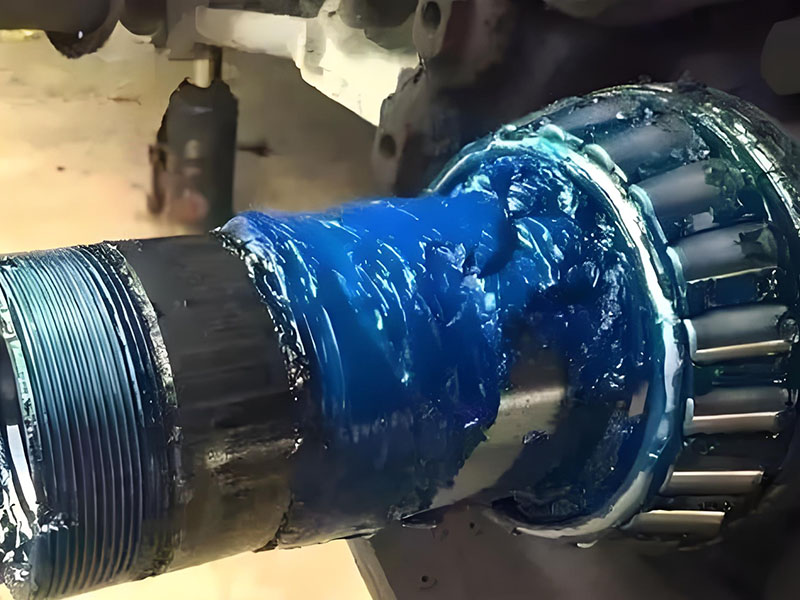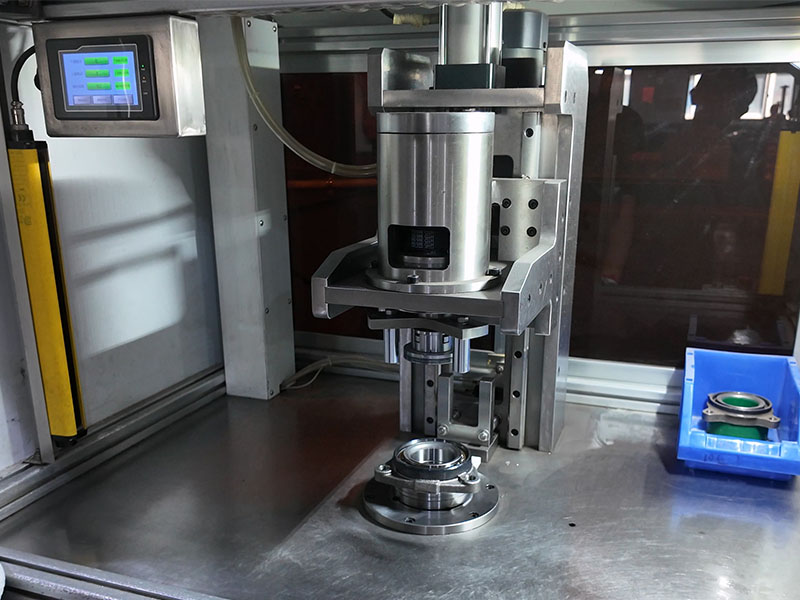
Quick answer: Bearings are machine elements that reduce friction, support radial or axial loads, and keep rotating shafts precisely aligned. Common types include ball bearings (high speed, moderate loads), roller bearings (heavy loads), and plain bearings (sliding with lubrication). Materials range from chrome steel (AISI 52100) to ceramics like silicon nitride for high heat or corrosive environments. Choice depends on load, speed, and operating conditions.
Bearings are fundamental components in nearly every mechanical system. From the wheels on your car to the spindle in a high-speed CNC machine, bearings enable smooth motion, reduce wear, and support heavy loads.
In this guide, DUHUI will explore what bearings are, how they work, the different types available, and how to choose the right one for your application.
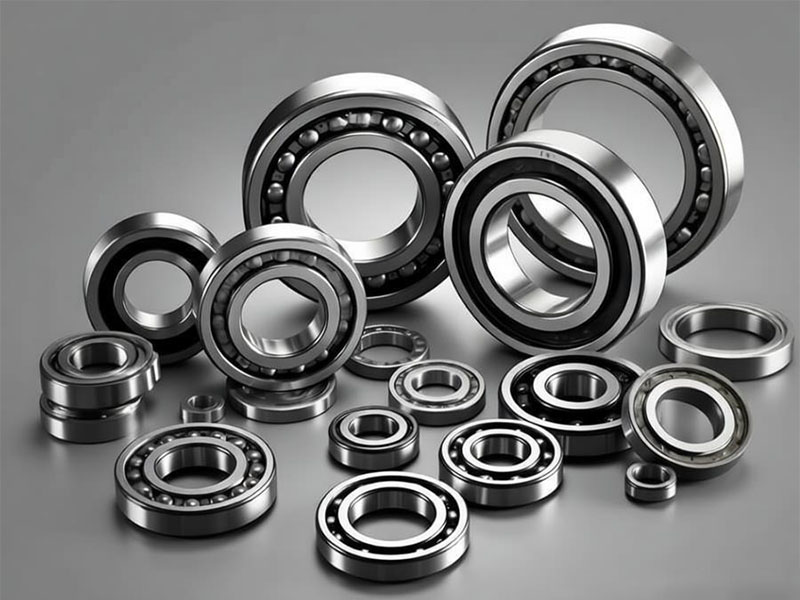
Functions of Bearings
Bearings serve three primary purposes in mechanical systems:
Reduce Friction: By replacing sliding motion with rolling motion, bearings minimize energy loss and heat generation.
Support Loads: Bearings carry radial (perpendicular to the shaft) or axial (parallel to the shaft) loads, depending on the design.
Ensure Rotational Accuracy: Bearings maintain precise shaft alignment, which is essential for performance and longevity.
How Bearings Work
Most bearings operate on a simple principle: they allow one part to rotate or move relative to another while reducing friction. Rolling elements such as balls or rollers are placed between two rings—the inner and outer races. As the shaft turns, the rolling elements move along the races, distributing the load and minimizing contact surface area.
Types of Bearings
Bearings can be categorized in several ways, depending on load direction and structural design.
Based on Load Direction
- Radial Bearings: Designed to support loads perpendicular to the shaft (e.g., deep groove ball bearings).
- Thrust Bearings: Handle loads parallel to the shaft (e.g., thrust ball bearings).
- Angular Contact Bearings: Support combined radial and axial loads, commonly used in gearboxes and pumps.
Based on Design and Rolling Elements
- Ball Bearings: Use spherical rolling elements. Ideal for high-speed applications with moderate loads.
- Roller Bearings: Use cylindrical, tapered, or spherical rollers. Suitable for heavy load applications.
- Plain Bearings: Also known as sleeve bearings, these have no rolling elements and rely on sliding motion with lubrication.
Bearing Materials: Steel vs. Ceramic、
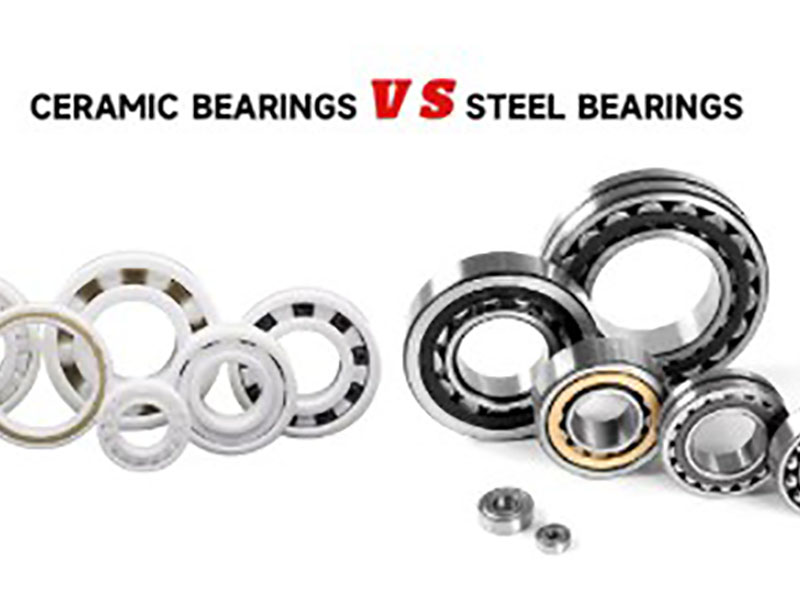
Choosing the right material is crucial for bearing performance. The most common materials are steel and ceramic, each offering unique benefits.
Steel Bearings
Steel bearings are the industry standard due to their strength and affordability. Common grades include:
- AISI 52100: High-carbon chromium steel, excellent for wear resistance and fatigue life.
- AISI 440C: Stainless steel, offers good corrosion resistance and hardness.
- AISI 304 / 316 / 420: Used in specialized applications requiring additional corrosion resistance or magnetic properties.
Ceramic bearings are used in demanding environments where steel may fall short. Common types include:
- Zirconia (ZrO₂): High toughness and wear resistance.
- Silicon Nitride (Si₃N₄): Lightweight, high strength, and excellent thermal stability.
- Silicon Carbide (SiC): Superior hardness and chemical resistance.
Advantages of Steel Bearings
- Durability and Toughness: Steel bearings can withstand heavy loads and impact.
- Cost-Effectiveness: More affordable than ceramic, making them ideal for mass production.
- Thermal Conductivity: Steel dissipates heat effectively, reducing the risk of overheating.
- Wide Application Range: Suitable for automotive, industrial machinery, and construction equipment.
Applications of Steel Bearings
- Automotive: Wheel hubs, transmissions, alternators
- Aerospace: Actuators, landing gear components
- Manufacturing: Conveyors, pumps, gearboxes
Advantages of Ceramic Bearings
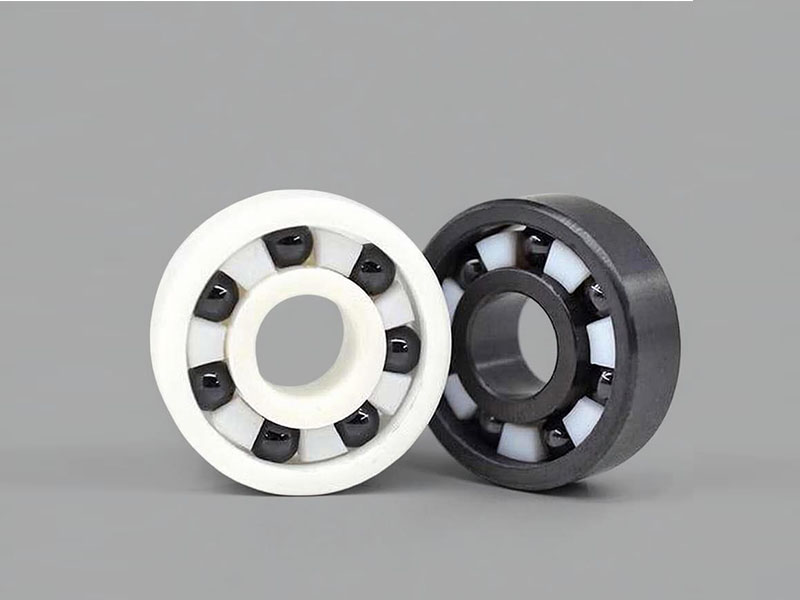
- High Heat Resistance: Operate reliably at elevated temperatures.
- Low Friction: Require less lubrication and generate less heat.
- Electrical Insulation: Prevent electrical arcing in motors and generators.
- Corrosion Resistance: Ideal for chemical and marine environments.
Applications of Ceramic Bearings
- High-Speed Machinery: Spindles, turbines, dental drills
- Aerospace: Gyroscopes, satellite components
- Chemical Processing: Pumps, mixers, valves
- Medical Devices: Surgical tools, imaging equipment
Key Factors in Bearing Selection
Selecting the right bearing involves evaluating several factors:
- Load Capacity: Consider both radial and axial loads.
- Speed: High-speed applications may require ceramic or precision steel bearings.
- Operating Conditions: Temperature, humidity, and exposure to contaminants matter.
- Cost and Maintenance: Balance upfront cost with long-term reliability and service intervals.
Conclusion
Bearings are more than just mechanical components—they are the foundation of motion and efficiency in modern industry. Understanding their functions, types, and materials helps you make informed decisions that improve performance and reduce downtime.
DUHUI can offer a full range of bearings—from standard steel types to advanced ceramic solutions—tailored to your application. Whether you’re in automotive, aerospace, or industrial manufacturing, we provide reliable products backed by rigorous testing and global standards.