Bearings are the unsung heroes of modern machinery. Whether in a high-speed medical drill or a heavy-duty truck axle, their smooth operation is critical to productivity and safety. Neglecting bearing maintenance is one of the fastest ways to incur unexpected downtime, costly repairs, and even catastrophic equipment failure.
This comprehensive guide is designed to share that expertise, helping you move from reactive repairs to proactive reliability.
1.Essential Bearing Maintenance Tips for General Industrial Applications
Before diving into specific industries, mastering the universal principles of bearing care is essential. These foundational practices apply to almost every rotating equipment scenario.
1.1Regular Inspection: Detecting Early Signs of Wear
Visual and auditory inspections are your first line of defense. Train your team to listen for unusual grinding or clicking noises and look for discoloration (bluing) on races or rolling elements, which indicates overheating. Early detection of rust, pitting, or spalling can prevent a small issue from becoming a major breakdown.
1.2The Art of Proper Lubrication: Grease vs. Oil
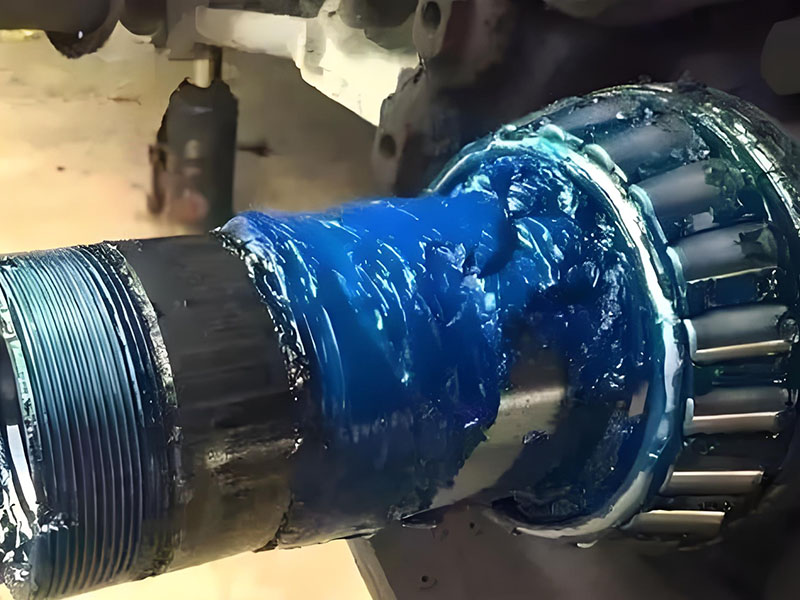
Lubrication is the lifeblood of a bearing. It reduces friction, dissipates heat, and protects against corrosion.
- Grease is ideal for applications where frequent re-lubrication is difficult. It provides a sealed barrier against contaminants.
- Oil is superior for high-speed or high-temperature operations as it removes heat more effectively.
The key is using the correct viscosity and type. Over-lubrication can be as damaging as under-lubrication, causing churning and overheating.
1.3Contamination Control: Keeping Dirt and Moisture Out
Over 80% of bearing failures are caused by contamination. Even microscopic dust particles can act like grinding paste, wearing down precision surfaces. Always store bearings in their original packaging until the moment of installation. Ensure work areas are clean and tools are free of debris.
1.4Correct Handling and Storage Procedures
Bearings are precision components. Never strike them directly with a hammer, and avoid spinning uncleaned bearings with compressed air (this forces contaminants into the races). Store bearings horizontally in a cool, dry environment to prevent warping and condensation.
1.5Precision Mounting and Alignment Techniques
Misalignment is a leading cause of premature failure. Use the correct tools—such as induction heaters for heating inner rings or mechanical pullers—to avoid damaging the bearing during installation. Ensure shafts and housings are within tolerance and perfectly aligned to distribute load evenly.
1.6Monitoring Temperature and Acoustic Signatures
A sudden spike in operating temperature is a red flag. Establish baseline temperature readings for your machinery. Similarly, modern acoustic monitoring can detect changes in the frequency spectrum that indicate the onset of flaking or brinelling long before they are visible.
1.7Leveraging Condition Monitoring Tools
For critical assets, move beyond manual checks. Vibration analysis is the gold standard for predictive maintenance. Accelerometers can detect imbalances, misalignments, and bearing defect frequencies, allowing you to schedule maintenance precisely when needed, not too early or too late.
2.Industry-Specific Bearing Maintenance Best Practices
Different environments impose unique stresses on bearings. Here is how to adapt your maintenance strategy for specific sectors where DUHUI has extensive experience.
2.1Medical Industry: Sterilization and Biocompatibility
In medical devices like CT scanners, dental drills, or surgical robots, reliability is non-negotiable.
- Sterilization Compatibility: Bearings must withstand repeated autoclave cycles (high heat, steam) without corroding or degrading.
- Toxic-Free Lubrication: Standard industrial greases are unacceptable. Use only FDA-approved or biocompatible lubricants that pose no risk to patients.
- Precision Cleaning: The manufacturing process must eliminate all manufacturing residues to meet cleanroom standards.
2.2Food and Beverage Industry: Hygiene and Corrosion Resistance
The washdown environment is the enemy of standard bearings. High-pressure hoses and aggressive cleaning agents quickly strip away conventional grease and cause rust.
- Material Selection: Opt for stainless steel bearings (like AISI 440C or 316) or hybrid bearings (ceramic balls) to resist corrosion.
- Food-Safe Lubricants: Utilize NSF H1 or H2 registered lubricants that are safe for incidental food contact.
- Sealed Units: Bearings with enhanced sealing (e.g., contact seals or V-rings) physically block water and detergents from entering the rolling elements.
2.3Robotics and Automation: Precision and Preload Adjustment
In robotic arms and CNC machines, precision is paramount. Play in the bearing translates directly to inaccuracy in the workpiece.
- Precision Lubrication: Robotics often require precise, metered doses of low-noise grease to maintain smooth motion.
- Preload Adjustment: Regularly check and adjust bearing preload. Proper preload eliminates clearance, increasing rigidity and accuracy without causing excessive friction.
- Vibration Monitoring: Sudden changes in vibration can indicate a loss of preload or the beginning of raceway wear in high-cycle applications.
2.4Automotive and Heavy-Duty Vehicles: Thermal Management
Wheel bearings and drivetrain bearings in vehicles endure massive dynamic loads and temperature swings.
- Thermal Monitoring: Infrared thermometers can quickly identify a dragging brake or a failing bearing by detecting localized heat.
- Abnormal Wear Detection: During tire rotations or brake jobs, spin the hub and listen for roughness. Feel for axial play, which indicates the bearing is worn beyond its limits.
- Seal Integrity: In harsh environments, a torn seal is a death sentence. Regularly inspect rubber seals for cuts or hardening.
2.5Skateboarding and Light Industrial: Simplicity and Speed
For light-load, high-speed applications like skateboard wheels or inline skates, the goal is reducing friction.
- Regular Cleaning: Remove the bearings, pop the shields, and soak them in a degreaser to dissolve old, gritty lubricant.
- Lubrication: After cleaning, apply a light oil or speed cream. Heavy grease will slow you down.
- Avoid Moisture: If you skate in the rain, dry and re-lubricate your bearings immediately to prevent rust.
3.Common Bearing Failure Modes and How to Prevent Them
Understanding how a bearing dies helps you stop it from happening again.
- Fatigue (Flaking/Spalling): Natural end of life. Can be extended by proper lubrication and load management.
- Wear (Abrasion): Caused by dirty environments. Prevent with better sealing and clean handling.
- Corrosion (Rust): Moisture ingress. Switch to stainless steel or improve seal maintenance.
- Brinelling (Indentations): Static overload or incorrect mounting. Use proper installation tools.
- Smearing: Slippage at high speeds. Ensure minimum load requirements are met.
Conclusion
Implementing a robust bearing maintenance program—from basic cleaning to advanced vibration monitoring—significantly reduces your total cost of ownership. It maximizes uptime, ensures safety, and gets the highest return on your equipment investment.
At DUHUI Bearing, we are committed to keeping your world turning smoothly. If you have questions about a specific application or need help sourcing the right replacement bearings, contact our engineering team today. Let us help you put this guide into practice.