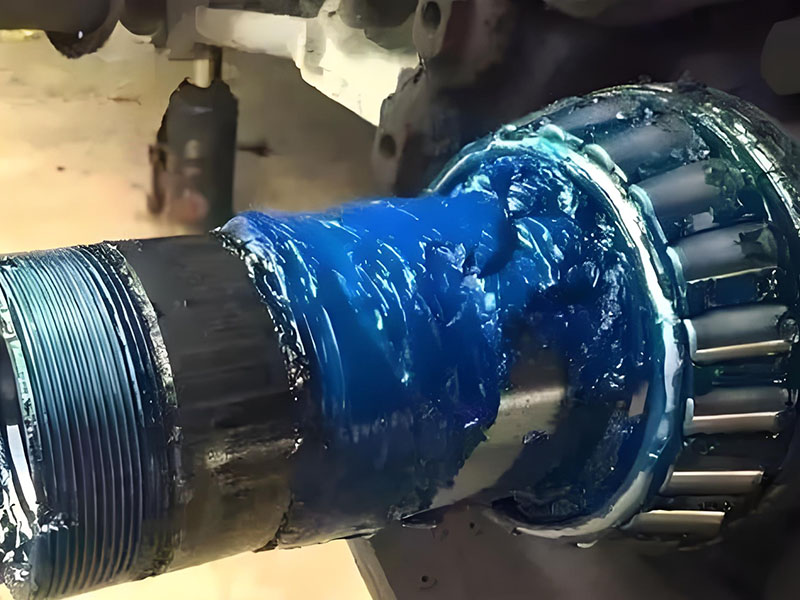
As a driver, you rely on your vehicle to respond predictably and safely. The wheel hub bearing is a small but mighty component that makes this possible. It’s the critical interface between your wheel and the axle, responsible for carrying the entire weight of the vehicle while allowing the wheels to spin with minimal friction. But how do you know if this vital part is failing? A damaged wheel hub bearing rarely announces itself with a single, dramatic event; instead, it communicates through a series of distinct signs. Ignoring these signs can compromise your safety and lead to more extensive, costly repairs. In this article, DUHUI will explore the five most common symptoms of a failing wheel hub bearing, equipping you with the knowledge to diagnose the problem early.
1. Unusual Noises: The Most Common Warning Sign
The most frequent and telling sign of a bad wheel hub bearing is noise. This isn’t just a random squeak; it’s a specific sound that changes with your vehicle’s speed and direction. Listening carefully can tell you a lot.
- Rumbling or Growling Noise: This is often the first sound you’ll notice. It typically starts as a low, continuous hum that intensifies into a deep growl as the bearing wears. A key characteristic is that the noise gets louder when you turn the steering wheel in the direction opposite the failing bearing. For example, if the left bearing is bad, the noise will worsen when you turn the steering wheel to the right, as the vehicle’s weight shifts onto the compromised component. This sound indicates the bearing races are becoming pitted and worn.
- Crackling or Popping: A crackling or popping sound, especially during sharp turns, can be a sign that the bearing’s internal cage (which holds the rollers in place) is damaged or that the rollers have become misaligned.
- Grinding or Metallic Screeching: This is a serious warning. A loud, constant grinding or metallic screeching noise means the bearing’s internal lubrication has failed, and metal is now grinding against metal. If you hear this, it’s crucial to have your vehicle inspected immediately, as the bearing is on the verge of catastrophic failure.
It’s important to differentiate this from tire noise. Tire noise is usually a consistent hum that doesn’t change when you turn the steering wheel, whereas bearing noise is distinctly directional.
2. Loose or Wandering Steering Wheel
Your steering wheel should feel tight and responsive. If you start to notice excessive play, also known as “slop,” where you can turn the steering wheel a few degrees without the wheels responding, it could point to a wheel bearing issue. This is often accompanied by a sensation that the vehicle is wandering or “floating” at highway speeds, requiring constant minor corrections to stay in your lane.
This symptom occurs because a worn bearing introduces excessive clearance (or play) between the wheel hub assembly and the spindle. This unwanted movement disrupts the precise geometry of your steering system. While a loose steering wheel can also be caused by worn tie rods or a steering rack, a faulty wheel bearing is a primary and critical cause that should not be overlooked.
3. Vehicle Pulling to One Side When Braking
Does your car pull sharply to the left or right when you apply the brakes, even though the steering wheel is straight? This is another classic sign of a failing wheel hub bearing.
It’s important to perform a quick mental diagnosis here. If your car pulls to one side all the time, it’s likely a brake caliper that is stuck. However, if it only pulls when braking, the culprit is often a wheel bearing with excessive play. When you brake, the damaged bearing allows the wheel hub and brake rotor assembly to shift slightly. This subtle movement changes the angle of the brake caliper relative to the rotor and can affect the tire’s contact patch, causing the vehicle to veer to one side.
4. Uneven and Premature Tire Wear
Your tires can tell a powerful story about the health of your suspension and wheel-end components. A failing wheel hub bearing often reveals itself through uneven tire wear patterns.
Because the bearing is responsible for maintaining precise wheel alignment, especially the camber angle (the vertical tilt of the wheel), excessive play can throw this alignment out of specification. You might notice:
- Feathering: The tread blocks are smooth on one side and sharp on the other.
- Camber Wear: Accelerated wear on either the inside or outside shoulder of the tire.
This kind of wear is a clear indicator that the wheel is not rotating in a true, vertical plane. While misalignment is a common cause, a worn wheel hub bearing is a frequent source of this problem. If you’re replacing tires more often than expected or see these wear patterns, it’s worth having your bearings checked.
5. Wheel Vibration and Wobble
Vibrations that don’t come from the engine or drivetrain can be alarming. If you feel a wobbling sensation in the steering wheel, or a vibration in the floorboard and seat that gets progressively worse as your speed increases, a bad wheel bearing could be the cause.
A simple static check can help confirm this. Safely raise the vehicle with a jack and place it on jack stands. Grab the tire at the top and bottom and try to rock it back and forth. Next, grab it at the 3 and 9 o’clock positions and try the same. If you feel any significant looseness or hear a knocking sound, it is a definitive sign of a worn wheel hub bearing. This is not just an inconvenience; it’s a serious safety risk. Excessive wobble indicates the bearing has lost its ability to hold the wheel securely, and in extreme cases, this can lead to a wheel detaching from the vehicle while driving.
Conclusion
Your vehicle’s wheel hub bearings are critical safety components that work under immense stress every mile you drive. From unusual rumbling noises and a loose steering wheel to braking pulls, uneven tire wear, and noticeable wheel vibration, these five signs are your vehicle’s way of asking for attention.
If you experience any of these symptoms, it is vital to have a qualified professional inspect your wheel-end system. Prompt diagnosis and replacement with a high-quality bearing are essential not only for restoring ride comfort but, more importantly, for ensuring your safety and that of your passengers.