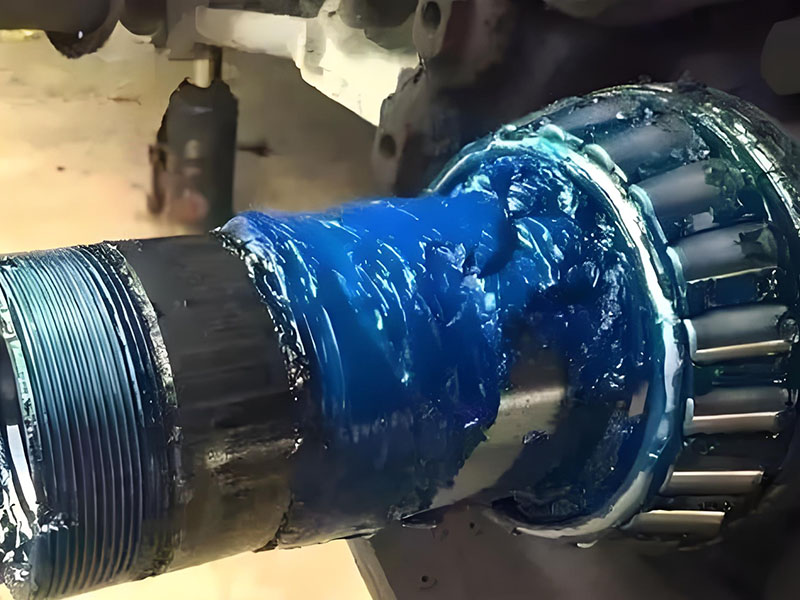
Have you ever opened a new bearing or a grease cartridge and wondered why the grease is red, blue, or even gray? Many people assume the color indicates the grease’s quality or specific function. The truth is, the color of bearing grease is usually just a dye added by manufacturers for identification or branding purposes—it does not define the grease’s performance. However, over time, certain colors have become associated with specific additive packages and base oil formulations by industry habit. Understanding these common color-based conventions can help you make a more informed selection, but the real decision should always be based on the grease’s properties, such as load capacity, temperature range, and water resistance. In this guide, we will break down the common colors of bearing grease and explain their typical applications, so you can choose the right lubricant for your machinery.
1. Red Grease: High-Temperature and Extreme Pressure
Red grease is one of the most common types found in automotive and industrial applications. The red color often comes from a dye used to distinguish complex soap thickeners like polyurea or high-quality lithium complexes.
Characteristics:
- High Heat Resistance: Red greases typically maintain structural stability at high operating temperatures, often ranging from -20°C to 150°C or higher.
- Persistent Oil Film Strength: They offer strong film strength to prevent metal-to-metal contact under load.
- EP and Anti-Wear Protection: Most red greases contain extreme pressure (EP) additives to protect components during shock loading.
- Strong Adhesion: They resist slinging off rotating parts, ensuring the lubricant stays where it is needed.
Common Applications:
Due to its robust thermal stability and mechanical shear resistance, red grease is ideal for wheel hub bearings, universal joints (U-joints), chassis components, and heavy-duty equipment bearings.
2. Blue Grease: Water Resistance and Rust Prevention
If your machinery operates in wet conditions or frequently comes into contact with water, you have likely encountered blue grease. Blue grease is often formulated with aluminum complex or calcium sulfonate thickeners, which are renowned for their waterproofing capabilities.
Characteristics:
- Superior Water Washout Resistance: Blue grease can withstand heavy water spray without being washed away from bearing surfaces.
- Corrosion and Rust Prevention: It provides a protective barrier that prevents moisture from causing rust on steel components.
- Medium to High Heat Tolerance: While not always rated for extreme heat, high-quality blue greases offer stable performance in moderate to high-temperature environments.
Common Applications:
You will often find blue grease in water pump bearings and seals, marine equipment (such as boat trailer bearings), outdoor power sports equipment, and agricultural machinery exposed to rain or irrigation.
3. Green Grease: Oxidation Stability and Versatility
Green grease is typically associated with advanced synthetic formulations or calcium sulfonate greases. Its distinctive color often signals a product designed for longevity and resistance to chemical breakdown.
Characteristics:
- Strong Oxidation and Corrosion Resistance: Green greases resist oxidation, which helps prevent the grease from hardening or forming sludge over time.
- High Contaminant Tolerance: They can absorb a certain level of contaminants (like dust or water) without losing lubricating effectiveness.
- Broad Material Compatibility: Green greases are often safe to use with a wide range of seal materials and plastics.
Common Applications:
Because of its stability, green grease is frequently used in agricultural machinery (harvesters, tractors), construction and heavy machinery, mining and open-pit equipment, and outdoor gardening tools where exposure to dirt and debris is constant.
4. Gray Grease: Solid Lubricants for Heavy Loads
Gray grease is easily identifiable due to its metallic or dark gray appearance. This color usually indicates the presence of solid additives such as molybdenum disulfide (moly) or graphite.
Characteristics:
- Contains Solid Lubricant Additives: Moly and graphite provide a layer of lubrication even if the base oil is squeezed out under extreme pressure.
- Outstanding Extreme Pressure (EP) Performance: Ideal for applications involving boundary lubrication conditions, such as sliding or oscillating movements.
- Strong Adhesion and Anti-Seize Properties: It adheres firmly to metal surfaces, preventing galling and seizure during heavy loads.
Common Applications:
Gray grease is the top choice for mining equipment, heavy-duty trucks and trailers, construction machinery, agricultural equipment, and military or off-road vehicles that experience high shock loads and require anti-wear protection.
5. White Grease: Cleanliness and Food-Grade Safety
White grease is distinct not only for its color but also for its strict cleanliness standards. This type of grease is often formulated to meet food safety regulations.
Characteristics:
- Non-Toxic and Hygienic: White greases are frequently NSF H1 registered, meaning they are safe for incidental food contact.
- Clean and Easy to Manage: The clean appearance makes it easy to detect contamination, and it typically has low odor.
- Wide Material Compatibility: Safe for use with plastics, elastomers, and other non-metal components found in packaging lines.
- Non-Toxic and Hygienic: White greases are frequently NSF H1 registered, meaning they are safe for incidental food contact.
- Clean and Easy to Manage: The clean appearance makes it easy to detect contamination, and it typically has low odor.
- Wide Material Compatibility: Safe for use with plastics, elastomers, and other non-metal components found in packaging lines.
Common Applications:
You will find white grease in food processing equipment, pharmaceutical machines, packaging and cleanroom equipment, kitchen and commercial appliances, and for lubricating plastic and rubber parts where a clean appearance is required.
6. Yellow Grease: General Purpose and Cost-Effectiveness
Yellow grease is often the standard “general-purpose” grease found in hardware stores. Traditionally formulated with lithium or calcium soap bases, it serves as a versatile lubricant for everyday machinery.
Characteristics:
- Strong Versatility: Suitable for a wide variety of light- to medium-duty applications.
- Excellent Basic Lubrication: Provides reliable anti-wear and anti-corrosion protection for standard operating conditions.
- High Cost-Effectiveness: It offers good performance at a lower price point compared to specialty synthetic greases.
Common Applications:
Yellow grease is widely used in general industrial machinery, household mechanical devices (such as garage door openers), light vehicle components, and general mechanical equipment where extreme conditions are not a factor.
7. How to Select the Right Grease for Bearings (Beyond Color)
While the color of grease can offer a clue about its intended use, it should never be the sole deciding factor. To ensure optimal bearing life and machine reliability, consider the following technical parameters:
- Bearing Load and Speed: Heavier loads require greases with high EP additives (like gray grease). High-speed bearings require a grease with the correct NLGI consistency (usually grade 1 or 2) to avoid overheating.
- Operating Temperature: Select a grease with a suitable dropping point and base oil viscosity for your ambient and operating temperatures.
- Water or Contaminant Exposure: If the bearing is exposed to water or dust, choose a grease with strong water washout resistance and mechanical stability (such as blue or green grease).
- Required Certifications: If you are in the food or pharmaceutical industry, you must choose an NSF-certified grease (often white) that complies with health regulations.
Conclusion
In summary, the color of bearing grease is primarily a visual identifier that sometimes aligns with specific performance categories due to industry conventions—red for heat, blue for water resistance, gray for heavy loads, and white for cleanliness. However, relying on color alone can lead to premature bearing failure. The most reliable approach is to consult the grease’s technical data sheet (TDS) to verify its thickener type, base oil viscosity, and additive package.
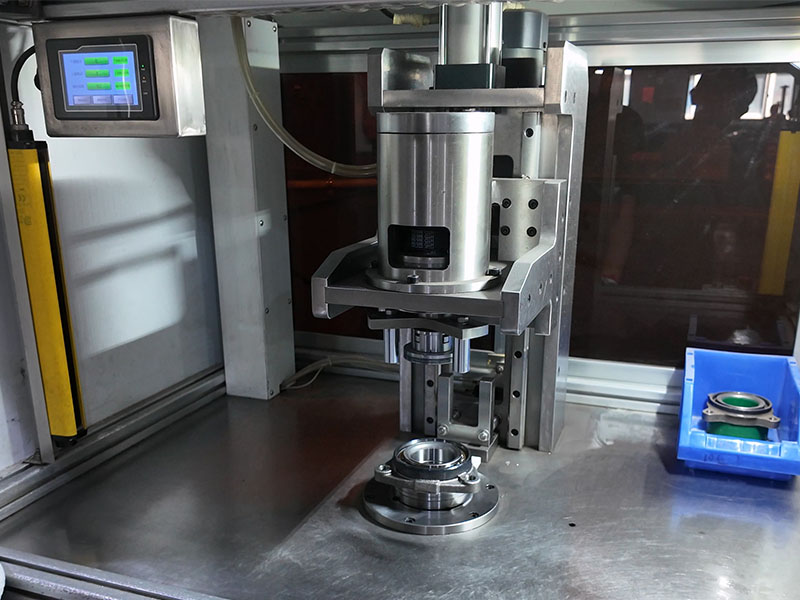
At DUHUI Bearing, as a professional manufacturer of automotive wheel hub bearings and various other bearing types, we understand that proper lubrication is the key to bearing longevity. While we specialize in manufacturing high-precision bearings, we also recognize that choosing the right lubricant is just as critical as choosing the right bearing structure. If you are unsure which lubrication solution fits your application, feel free to contact us for guidance based on your specific operating conditions.