Universal joints (U-joints) are critical components in your vehicle’s drivetrain, connecting the transmission to the differential and allowing for flexibility as the suspension moves. When they start to fail, they often communicate through distinct noises. If you’ve heard a squeaking, clunking, or humming sound from under your car, it’s essential to diagnose the issue quickly. Ignoring these warning signs can lead to costly repairs or even dangerous driving conditions. In this guide, DUHUI will explore what a squeaking U-joint means, how to distinguish it from other noises, and what you can do to prevent premature failure.
1. Common Sounds of a Failing U-Joint
Before diving into the specifics of a squeak, it’s helpful to understand the three most common sounds associated with a worn-out U-joint:
- Squeaking/Squealing Noise
- Clunking Noise
- Humming or Vibrating Noise
Each sound points to a different type of wear or damage. Let’s break them down.
2. What Does a Squeaking U-Joint Indicate?
A high-pitched squeaking or squealing noise coming from under your vehicle, especially when starting from a stop or turning slowly, is often the first sign of a dry or failing U-joint.
2.1 U-Joint Wear and Lack of Lubrication
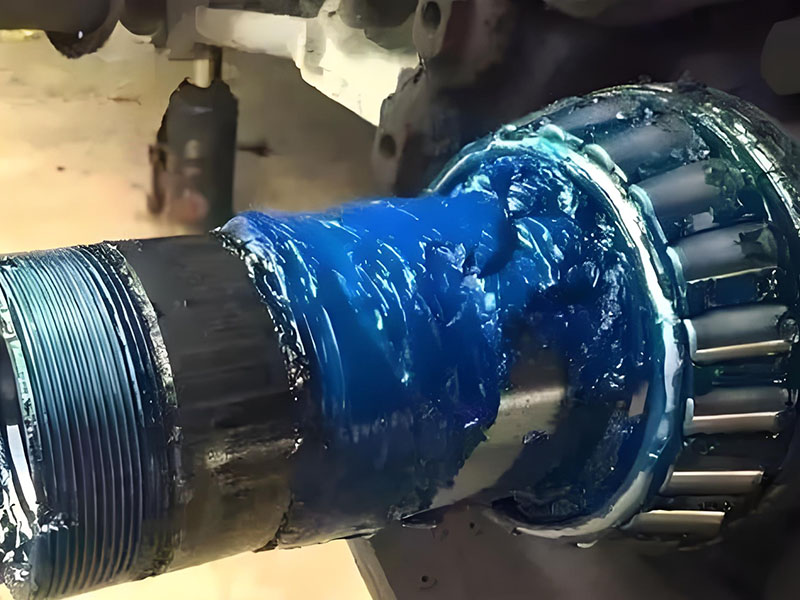
U-joints contain needle bearings that allow the joint to flex. Over time, the factory grease can dry out, or the seals can crack, allowing dirt and moisture in. When these bearings run dry, they create a distinct squeaking noise as metal rubs against metal. If left unattended, this squeak can escalate into a more severe grinding or knocking sound.
2.2 Squeaking Noise May Come from Other Components
While a squeaking U-joint is a common culprit, it’s important to rule out other parts of the chassis that can produce similar sounds. Misdiagnosing the issue can lead to unnecessary repairs.
- Wheel Bearing Damage: A failing wheel bearing often produces a rhythmic growling or humming that changes with vehicle speed. However, in its early stages, it can sometimes emit a subtle squeak. Unlike a U-joint, a bad wheel bearing noise usually gets louder when turning in one direction.
- Sticking Caliper: A seized brake caliper can cause a constant rubbing or squeaking sound. This is often accompanied by a pulling sensation while driving or excessive heat from the affected wheel.
- Loose Suspension Components: Worn ball joints or control arm bushings can also squeak over bumps. These sounds are typically more pronounced when going over uneven surfaces rather than during acceleration.
- Ball Joint Failure: Similar to U-joints, ball joints can dry out and squeak. A simple way to differentiate is to note when the noise occurs: U-joint squeaks are often linked to driveline movement (accelerating, decelerating), while ball joint squeaks are linked to suspension travel (bumps, turning the steering wheel).
3. Other U-Joint Noise Signs: Clunking and Humming
If you’ve ruled out other components but are still hearing noises, your U-joint might be in a more advanced stage of failure.
3.1 Causes of Clunking Noise
A loud clunking noise when shifting from reverse to drive, or when you step on and off the accelerator, is a classic sign of excessive play in the U-joint. This indicates that the bearings have worn down significantly, creating slack in the driveline. The clunk is the sound of the metal components suddenly slamming together as torque is applied.
3.2 Causes of Humming or Vibrating Noise
A humming or droning noise that increases with speed, often accompanied by a vibration felt through the floorboard or seat, suggests that the U-joint is seizing or has become unbalanced. This is more serious than a squeak and indicates that the joint is close to catastrophic failure.
4. Driving Habits That Accelerate U-Joint Damage
Understanding what wears out a U-joint can help you extend its life. Certain driving behaviors put extra stress on these components:
- Frequent Hard Acceleration and Deceleration: Sudden starts and stops strain the drivetrain.
- Manual Transmission Shift Shock: Dropping the clutch or harsh shifting creates shock loads that wear out U-joints faster.
- Chronic Overloading: Carrying heavy loads beyond the vehicle’s capacity increases stress on all driveline components.
- Driving in Deep Water or Mud: Water and mud can breach the U-joint seals, washing away lubrication and introducing grit that grinds down the bearings.
5. How to Diagnose a Bad U-Joint
To confirm whether your squeaking is actually coming from the U-joint, you can perform a few simple checks.
- Visual Inspection: Safely raise the vehicle and inspect the U-joints. Look for rust-colored dust around the bearing caps—this is a sign of water contamination and wear. Also, check for missing or loose retaining clips.
- Physical Check: Grab the driveshaft and try to move it up, down, and side to side. There should be no noticeable play. Any movement indicates a worn joint. You can also use a pry bar to check for movement between the yoke and the joint.
- Professional Road Test: If you’re unsure, a professional mechanic can perform a road test to pinpoint the noise under load.
6. Consequences of a Failed U-Joint and Repair Tips
Driving with a bad U-joint is risky. If it fails completely, the driveshaft can detach from the vehicle, potentially causing loss of control, severe damage to the undercarriage, or even punching a hole in the transmission case.
Repair Tip: When replacing a U-joint, it is often recommended to replace all the joints in the driveshaft at the same time. Ensure you purchase high-quality, greasable U-joints from a reputable manufacturer to ensure longevity and proper fit.
7. How to Prevent Premature U-Joint Failure
Prevention is always better (and cheaper) than a breakdown.
- Regular Maintenance: If your U-joints have grease fittings, lubricate them regularly according to your vehicle’s service schedule.
- Avoid Bad Driving Habits: Practice smooth acceleration and deceleration, and avoid riding the clutch.
- Inspect After Off-Roading: If you drive through deep water or mud, have the chassis inspected and cleaned to remove debris that could damage the seals.
- Regular Chassis Checks: Include the U-joints in your regular vehicle inspections. Catching a small squeak early can save you from a major repair later.
Conclusion
Identifying a squeaking U-joint early is key to maintaining your vehicle’s safety and reliability. If you suspect your U-joints are failing, consult a trusted mechanic and choose replacement parts that meet strict quality standards. DUHUI is at your service at any time.