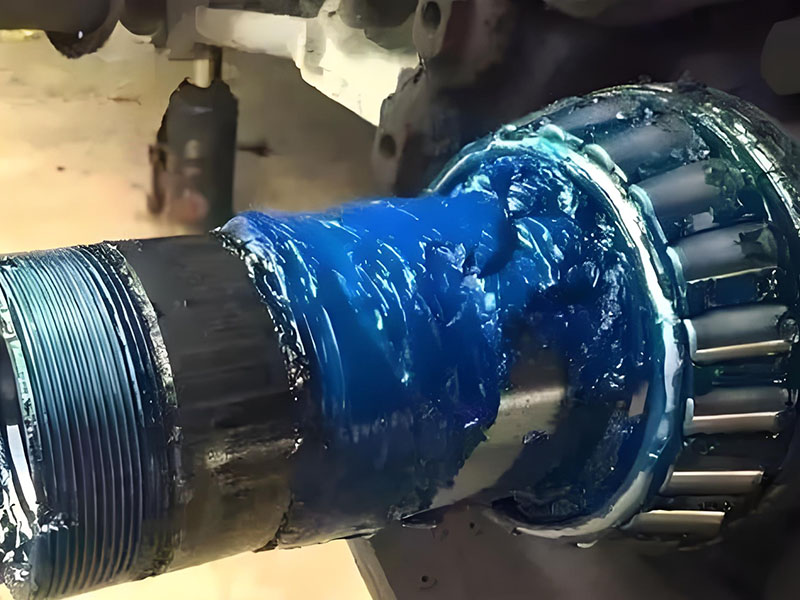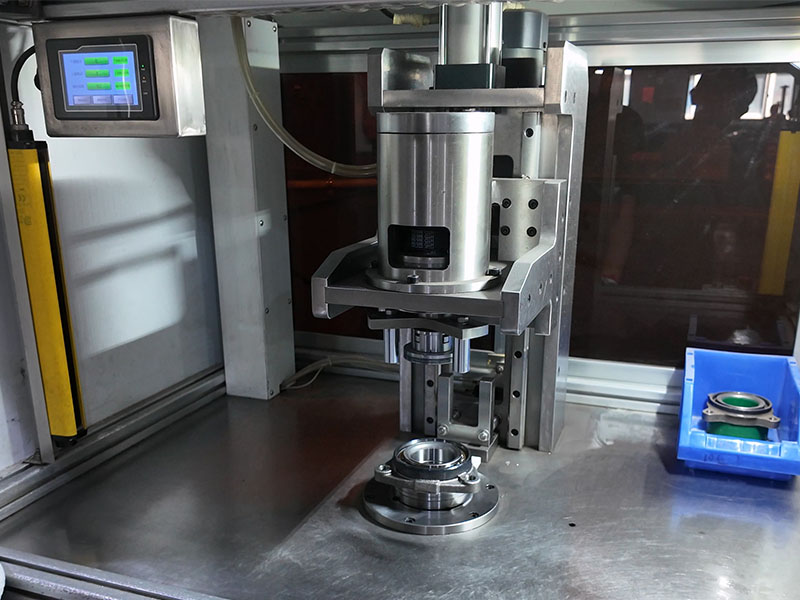
Wheel bearing repair comebacks are a common problem in automotive service. When a vehicle returns with the same issue shortly after a wheel hub or hub assembly replacement, it wastes shop time, reduces profitability, and affects customer trust. In most cases, the problem is not the new part itself but the repair process. This article covers three key areas to reduce wheel bearing repair comebacks: proper installation, ensuring the root cause is addressed, and thorough testing.
1. Proper Installation
Improper installation is the leading cause of premature wheel bearing failure. Even a high-quality wheel hub assembly will fail quickly if installed incorrectly. The most common installation issues include:
Bearing misalignment
The bearing must seat squarely in the knuckle or on the spindle. For press-in bearings, use a hydraulic press with the correct adapters. Apply force evenly to the outer race. For bolt-on hub assemblies, clean the mounting surface thoroughly before installation. Dirt, rust, or debris will prevent proper seating and cause misalignment.
Improper tool use when removing the old bearing
Using a hammer or chisel to remove a press-in bearing can damage the knuckle bore. Damaged bores prevent the new bearing from seating correctly. Use the proper puller or press tools for removal.
Improper tool use when installing the new bearing
Never use a hammer to install a wheel bearing. Impact forces damage the internal raceways and the integrated sensor if present. Always use a press for press-in bearings and a torque wrench for bolt-on assemblies.
Improper axle nut torque
The axle nut sets the bearing preload. Incorrect torque is a direct cause of comebacks:
- Torque too low: bearing has excessive play, leading to noise and rapid wear
- Torque too high: bearing overheats and fails prematurely
Always use a calibrated torque wrench and follow the vehicle manufacturer’s torque specification. Do not use an impact gun for final tightening.
Replacing the hub and correctly installing its components
When replacing the wheel hub assembly, inspect the hub itself for damage. A bent or worn hub transfers uneven loads to the new bearing and will cause early failure. When securing the assembly, tighten mounting bolts in a star pattern to the specified torque. Replace fasteners if recommended by the manufacturer.
2. Ensure the Problem Is Fixed
Replacing the wheel bearing alone is not enough. If the underlying cause of the failure is not addressed, the new bearing will fail again. You must confirm the root problem is resolved.
Confirm the failure before repair
Perform a road test before starting the repair. Verify that the noise or vibration is coming from the bearing you intend to replace. Does the sound change when turning left or right? Is the ABS light on? Confirming the failure prevents misdiagnosis and ensures you are working on the correct component.
Inspect related components
A wheel bearing does not fail in isolation. Worn suspension or drivetrain components place abnormal loads on the bearing. Always check:
- CV axles: a damaged axle can cause vibration and side loading
- Ball joints: excessive play creates misalignment
- Tie rod ends: loose steering components affect wheel position
If any related component is worn, repair it together with the bearing. Installing a new bearing alongside a worn ball joint will result in another failure.
Electrical and signal check
For wheel bearings with integrated ABS or wheel speed sensors, electrical verification is required. After installation, use a diagnostic scanner to check for sensor faults. Confirm the sensor is sending a clean, consistent signal to the ABS module. A damaged encoder ring or improperly seated sensor will trigger a fault code and cause a comeback.
3. Test Thoroughly
Thorough testing after repair is the final quality assurance step. Skipping or rushing this step increases the risk of a comeback.
Road test
After the repair, perform a road test under real driving conditions:
- Drive at different speeds to listen for noise
- Make left and right turns to load the new bearing
- Test ABS engagement in a safe area if applicable
- Confirm the original symptom is gone and no new issues are present
Lift inspection
After the road test, return the vehicle to the lift. Perform a final check:
- Re-torque fasteners to verify they are still at specification
- Inspect surrounding components for leaks, interference, or damage
- Ensure the axle nut remains at correct torque
Final quality control process
A standardized quality control process reduces human error. Create a checklist that includes:
- Installation torque values verified
- Related components inspected
- Sensor signal confirmed
- Road test completed
- Final lift inspection done
Following a checklist ensures every repair meets the same standard and reduces the likelihood of comebacks.
Conclusion
Reducing wheel bearing repair comebacks requires attention to three areas: proper installation, root cause diagnosis, and thorough testing. When each step is performed correctly, repair quality improves and repeat failures decrease.
DUHUI Bearing manufactures precision wheel hub bearings and hub assemblies that meet OE standards. Quality components combined with proper repair procedures deliver reliable results and help shops minimize comebacks.