In the world of industrial machinery, selecting the correct component can be the difference between seamless operation and costly downtime. Nowhere is this truer than when choosing bearings for high-heat environments. Installing a standard bearing in an oven, kiln, or turbocharger is a recipe for premature failure, leading to production halts and expensive repairs.
So, how do you know which bearing is right for your application? DUHUI will dissect the key differences between High Temperature Bearings and Standard Bearings. We will compare their materials, temperature limits, lubrication needs, and typical applications. Our goal is to equip you with the knowledge to make a confident, cost-effective decision for your specific operational needs.
1. Standard Bearings: The Foundation of General Industry
1.1 What are Standard Bearings?
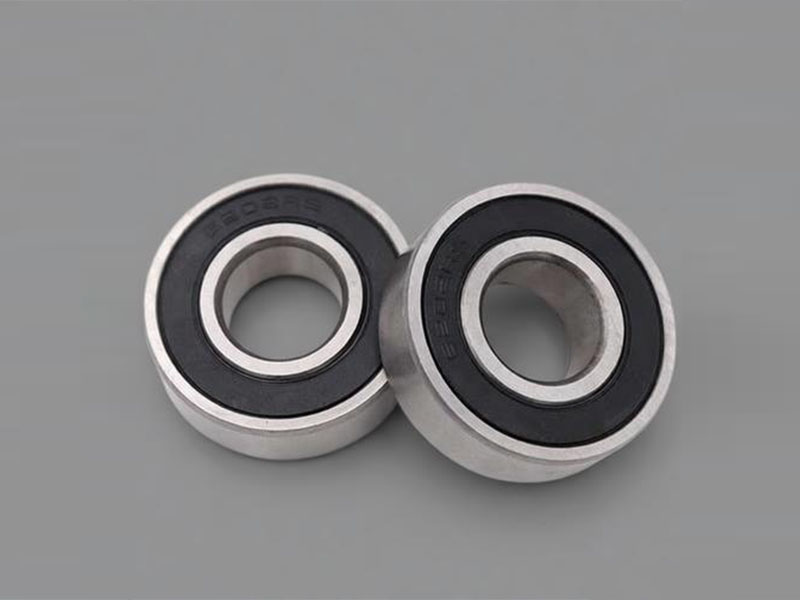
Standard bearings, typically made from chrome steel, are the workhorses of general industry. They are designed to operate efficiently under normal conditions, providing reliable performance and long life in controlled temperature environments.
1.2 Typical Applications
You will find standard bearings in a vast array of equipment, including:
- Household Appliances: Washing machines, refrigerators, vacuum cleaners.
- Automotive Systems: Wheel hubs, engine components, alternators.
- General Industrial Machinery: Conveyor belts, industrial pumps, fans, and blowers.
1.3 Material Composition & Temperature Limits
- Common Material: The vast majority of standard bearings are made from high-carbon chrome steel, such as GCr15 or AISI 52100.
- Temperature Capability: This material is heat-treated to achieve high hardness but is typically only rated for continuous operation between -20°C and +120°C. For sealed bearings, the temperature limit is often lower (around +80°C to +100°C) due to the limitations of the standard grease.
1.4 Limitations in High-Temperature Environments
When subjected to temperatures beyond their design limits, standard bearings face several critical issues:
- Hardness Loss: The bearing steel begins to temper and soften, losing its ability to carry loads and leading to premature fatigue and deformation.
- Lubrication Failure: Standard greases will carbonize, evaporate, or melt, causing metal-on-metal contact, friction, and rapid overheating.
- Thermal Expansion: The inner ring, outer ring, and rolling elements expand at different rates, which can reduce or eliminate internal clearance, leading to binding and seizure.
- Accelerated Wear & Corrosion: High heat accelerates oxidation and corrosion, quickly degrading the bearing surfaces.
2. High Temperature Bearings: Engineered for Extreme Heat
2.1 What are High Temperature Bearings?
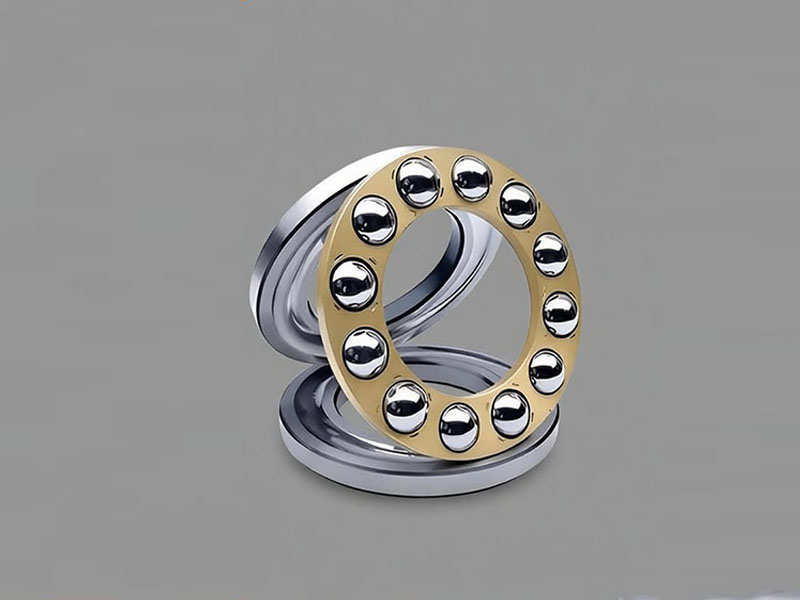
High-temperature bearings are specialty components engineered to maintain their mechanical properties and dimensional stability in environments consistently exceeding 150°C. They are built to withstand the challenges of heat, from material softening to lubrication breakdown.
2.2 Material Selection for High-Temperature Bearings
The key to their performance lies in advanced materials:
- High-Temperature Bearing Steels: These include high-speed steels (like M50) or fully hardened stainless steels (like AISI 440C), which retain their hardness and resist tempering at much higher temperatures.
- Ceramic Bearings: Made entirely from advanced ceramics like Silicon Nitride (Si3N4) or Zirconia (ZrO2), these bearings offer exceptional heat resistance (up to 1600°C), corrosion resistance, and electrical insulation.
- Hybrid Ceramic Bearings: These combine steel rings (often made of high-temperature steel) with ceramic rolling elements. They offer an excellent balance of high-speed capability, durability, and heat resistance for demanding applications.
2.3 Key Design Features
- Specialized Heat Treatment: High-temperature steels undergo specialized thermal stabilization processes to ensure they remain dimensionally stable during operation.
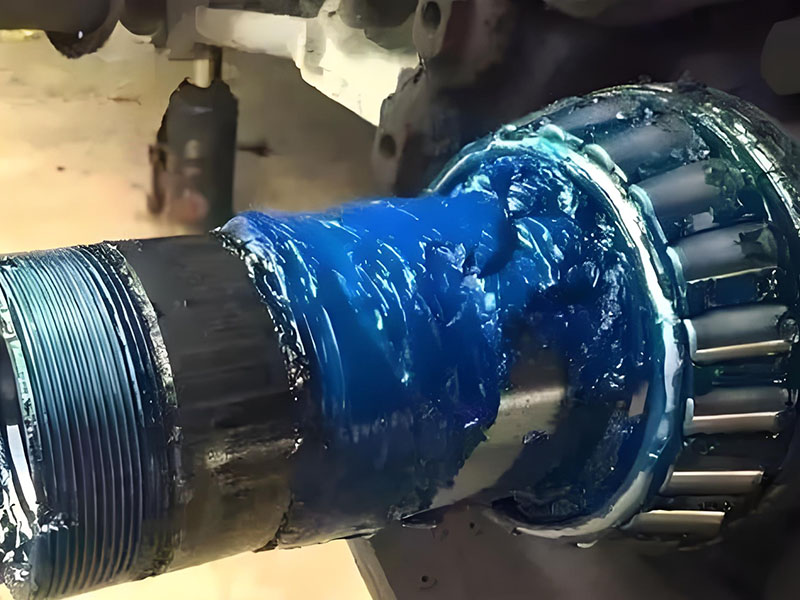
- Advanced Lubrication: They rely on high-temperature synthetic oils, solid lubricants (like graphite or MoS2), or specially formulated high-temperature greases that do not break down.
- Thermal Expansion Management: These bearings are manufactured with larger-than-normal internal clearances (e.g., C3 or C4 clearance) to accommodate the thermal expansion of the shaft and housing.
- High-Temperature Cages: Cages (retainers) are often made from (like PEEK), stainless steel, or special bronzes that can withstand the heat.
3. Head-to-Head Comparison
3.1 Temperature Resistance
Standard Bearings: Typically limited to 120°C.
High-Temperature Bearings: Can reliably operate from 180°C to over 350°C with steel, and up to 1600°C with full ceramic bearings.
3.2 Material & Performance Comparison
| Characteristic | High-Temperature Bearings | Standard Bearings |
| Common Materials | High-speed steel (M50), Stainless steel (440C), Ceramics (Silicon Nitride, Zirconia) | Chrome steel (AISI 52100/GCr15) |
| Temperature Resistance | 180°C to 350°C+ (steel); Up to 1600°C (ceramic) | Up to +120°C (open); +80°C to +100°C (sealed) |
| Wear Resistance | Maintains high wear resistance at elevated temperatures | Good at normal temps, but degrades rapidly above 120°C |
| Dimensional Stability | Excellent due to specialized heat treatment and material properties | Prone to thermal expansion and softening at high temps |
| Corrosion Resistance | Enhanced with stainless steel and ceramics | Standard steels offer limited corrosion protection |
3.3 Lubrication Needs
- Standard Bearings: Use conventional mineral-oil based greases that require regular re-lubrication.
- High-Temperature Bearings: Require advanced lubricants. Options include high-temperature synthetic oils, solid lubricants (like graphite cages), or specialized high-temperature greases. Some applications, like full ceramic bearings, can even run without lubrication.
3.4 Application Scenarios
| Application Type | Standard Bearings | High-Temperature Bearings |
| Industrial Machinery | General-purpose conveyors, pumps, gearboxes | High-heat furnaces, kilns, foundry equipment |
| Automotive | Wheel hubs, transmissions, standard engines | Turbochargers, exhaust systems, brakes, paint ovens |
| Aerospace | Landing gear, actuators, control systems | Jet engines, gas turbines, re-entry systems |
| Food Processing | Conveyors, mixers, packaging machines | Baking ovens, fryers, sterilization units (autoclaves) |
| Energy Sector | Wind turbines, hydroelectric plants | Gas turbines, boilers, nuclear reactor components |
| Oil & Gas | Standard pumps, drilling rigs, compressors | High-pressure steam pipelines, refineries |
3.5 Cost & Lifecycle Analysis
- Standard Bearings: Have a low initial purchase cost due to mass production and inexpensive materials. However, in high-heat applications, their total cost of ownership skyrockets due to frequent replacement and unplanned downtime.
- High-Temperature Bearings: Have a higher upfront cost due to advanced materials and engineering. However, they offer a significantly lower total cost of ownership by extending service life, reducing maintenance, and maximizing equipment uptime.
4. How to Choose: A Decision-Making Guide
Making the right choice involves evaluating several key factors:
- Step 1: Analyze Your Operating Temperature. What is the maximum continuous temperature? Are there temperature spikes?
- Step 2: Assess Load and Speed. High-temperature materials can sometimes have different load-carrying capacities. Ensure your choice meets the mechanical demands.
- Step 3: Evaluate Environmental Conditions. Is there moisture, chemicals, or abrasive dust? This will influence the choice of material (e.g., stainless steel vs. ceramic) and sealing.
- Step 4: Perform a Cost-Benefit Analysis. Look beyond the price tag. Calculate the potential costs of downtime, lost production, and frequent maintenance. A high-temperature bearing is often an investment, not an expense.
- Step 5: Consult an Expert. Bearing selection can be complex. Don’t hesitate to reach out to manufacturers for guidance.
5. Typical Applications of High Temperature Bearings
- Industrial Furnaces & Kilns: For supporting rollers and conveyor systems in metal processing, ceramics, and glass manufacturing.
- Aerospace & Jet Engines: In auxiliary power units, thrust reversers, and gearboxes where extreme heat and high speeds are common.
- Automotive Exhaust Systems & Turbochargers: To withstand the intense heat generated by exhaust gases.
- Chemical Processing Plants: In high-temperature reactors, dryers, and pumps handling hot, corrosive media.
- Food Processing Equipment: On the conveyor lines of baking ovens, fryers, and in sterilization equipment.
6. Pros and Cons at a Glance
| Bearing Type | Pros | Cons |
| High-Temperature Bearings | Superior heat resistance Extended service life & low maintenance Enhanced equipment reliability & safety | Higher initial purchase cost May require more precise mounting and fit |
| Standard Bearings | Affordable and readily available Wide range of sizes and types | Cannot withstand elevated temperatures Prone to rapid failure in hot environments, causing costly downtime |
Conclusion: Partner with DUHUI for Your Bearing Needs
Choosing between a standard and a high-temperature bearing is a critical decision that directly impacts your operation’s productivity and profitability. By understanding the fundamental differences in materials, design, and lubrication, you can select a bearing that not only fits your budget but also ensures long-term reliability.
With two decades of manufacturing excellence and 15 years of serving the global market, DUHUI Bearing has the expertise to provide the perfect bearing solution for any application, from standard industrial needs to the most demanding high-temperature environments.