Heavy duty turntable bearings, also known as slewing bearings, are the unsung heroes of modern heavy machinery. They enable smooth, controlled rotation under immense stress, serving as the critical pivot point for everything from massive cranes to precision medical equipment. For engineers and procurement managers, selecting the right bearing is not just about fit; it’s about ensuring safety, longevity, and operational efficiency.
With 20 years of manufacturing expertise and 15 years in global export, DUHUI will walk you through everything you need to know about heavy duty turntable bearings, from their core components to advanced troubleshooting.
1. Introduction to Heavy Duty Turntable Bearings
1.1 What is a Heavy Duty Turntable Bearing?
A heavy duty turntable bearing is a specialized rotational element designed to handle combinations of heavy loads: axial loads (thrust), radial loads, and the tilting moment loads that cause overturning forces. Unlike standard bearings that primarily manage one type of load, turntable bearings excel in managing all three simultaneously, providing a stable and secure rotating connection between two structural components.
1.2 Key Components
A typical slewing bearing consists of several precision-engineered parts:
- Inner and Outer Rings: Made from high-quality forged steel, these rings contain the raceways and provide the structure for mounting.
- Rolling Elements: These are the balls or rollers that facilitate rotation. Common types include steel balls and cylindrical or tapered rollers.
- Cage or Spacer: This component separates the rolling elements, ensuring even spacing and preventing friction between them.
- Sealing System: Robust seals protect the internal raceways and rolling elements from contaminants like dust, water, and debris, while retaining lubricant.
- Mounting Holes: Pre-drilled holes (through or threaded) allow for direct and secure bolting to the machine’s structure.
1.3 Common Types of Turntable Bearings
The choice of bearing type depends heavily on the application’s load demands:
- Single-Row Ball Bearings: The most common type, ideal for moderate loads and applications requiring smooth, low-torque rotation. Often used in small cranes and positioning tables.
- Cross-Roller Bearings: Featuring cylindrical rollers arranged in a crisscross pattern, these offer higher rigidity and load capacity in a compact space. They are preferred for applications like industrial robots and welding manipulators where precision is key.
- Three-Row Roller Bearings: Designed for the heaviest loads, this type has three separate raceways for axial and radial loads, providing maximum load capacity and long service life in demanding environments like large offshore cranes and tunnel boring machines.
2. Why Choose Heavy Duty Turntable Bearings?
2.1 Exceptional Load Capacity
The defining characteristic of a heavy duty turntable bearing is its ability to manage high tilting moments. This capacity is what allows a crane arm to extend and lift heavy loads without the structure failing. Our bearings are engineered to provide superior axial, radial, and moment load ratings, ensuring stability even under extreme stress.
2.2 Superior Materials and Precision Heat Treatment
At DUHUI, we utilize high-grade alloy steel (such as 50Mn or 42CrMo) for our rings. The critical raceways undergo induction hardening, a heat treatment process that creates an extremely hard, wear-resistant surface while maintaining a tough, ductile core. This combination is essential for resisting the brinelling (surface indentation) that leads to premature failure.
2.3 Smooth and Precise Rotation
Precision grinding of the raceways ensures minimal friction and exceptionally smooth rotation. This is vital for applications requiring precise positioning, such as in radar systems or automated assembly lines. Low running torque also contributes to energy efficiency for the driving motor.
2.4 Extensive Customization Options
We understand that one size does not fit all. Our bearings offer extensive customization to integrate seamlessly with your design:
- Gear Options: We can supply bearings with or without integral gearing on the inner or outer ring, cut to your precise module and tooth profile specifications.
- Lubrication Features: Options include single or multiple grease fittings and lubrication holes to ensure even grease distribution to all critical areas.
- Mounting Holes: Bolt hole patterns can be customized (through holes, threaded holes) to match your specific mounting interface.
3. Understanding Heavy Duty Turntable Bearing Specifications
3.1 Size and Dimension Range
DUHUI manufactures heavy duty turntable bearings with outer diameters ranging from 200mm to over 4000mm. Critical dimensions include the outer diameter, inner diameter, and the overall height (cross-section), which determines the bearing’s structural rigidity.
3.2 Load Ratings and Capacity Curves
A single static load rating is insufficient for slewing bearings. Instead, we provide load capacity curves, often represented in diagrams that plot axial load against tilting moment. These curves define the safe operating zone for the bearing under static and dynamic conditions. Understanding these curves is crucial for proper selection.
3.3 Weight and Material Composition
The weight of a large slewing bearing is significant, often several hundred kilograms, reflecting the amount of high-density forged steel used. The material choice (e.g., 42CrMo) directly impacts the bearing’s strength and fatigue life.
3.4 How to Read Bearing Designations
Our model numbers provide key information at a glance. For example, in DUHUI-013.30.560:
- 013 might indicate the type (e.g., Single-row ball).
- 30 could specify the series or cross-section height.
- 560 typically refers to the rolling center diameter (pitch circle diameter) in millimeters.
4. Primary Applications Across Industries
Our 15 years of export experience have seen DUHUI bearings deployed in a wide variety of demanding applications worldwide:
- Industrial Machinery: In welding manipulators and positioners, cross-roller bearings provide the precision needed for automated, high-quality welds.
- Material Handling: Mobile cranes, truck-mounted cranes, and aerial work platforms rely on our bearings for safe, 360-degree rotation under variable loads.
- Renewable Energy: Single-row ball bearings are integral to solar tracking systems, allowing panels to follow the sun for maximum energy capture.
- Entertainment and Leisure: From the gentle rotation of a Ferris wheel to the dynamic movement of a concert stage, our bearings provide reliable and safe performance.
5. How to Choose the Right Heavy Duty Turntable Bearing
Selecting the correct bearing is a multi-step process. We recommend the following approach:
- Step 1: Load Analysis and Calculation: Begin by calculating all forces acting on the bearing. This includes the weight of the rotating structure (axial load), any horizontal forces (radial load), and the moment created by an offset load (tilting moment). Consider both static (non-moving) and dynamic (in-motion) loads.
- Step 2: Determining Structural Dimensions: The available mounting space and the required clear center opening will dictate the bearing’s outer diameter and cross-section. The required rigidity will also influence the cross-section height.
- Step 3: Considering Environmental Factors: Will the bearing operate in a dusty mine, a corrosive marine environment, or a clean medical facility? This determines the type of seals, surface protection (e.g., phosphating or zinc coating), and lubricant required.
6. Installation and Maintenance Best Practices
Proper care is essential to maximize the lifespan of your investment.
6.1 Proper Installation: Preparation and Alignment
The mounting structure must be flat, rigid, and clean. Use a feeler gauge under the entire ring to check for flatness before bolting. Follow the specified bolt tightening sequence and torque values with a calibrated torque wrench. Misalignment is a primary cause of premature failure.
6.2 Essential Maintenance Routines
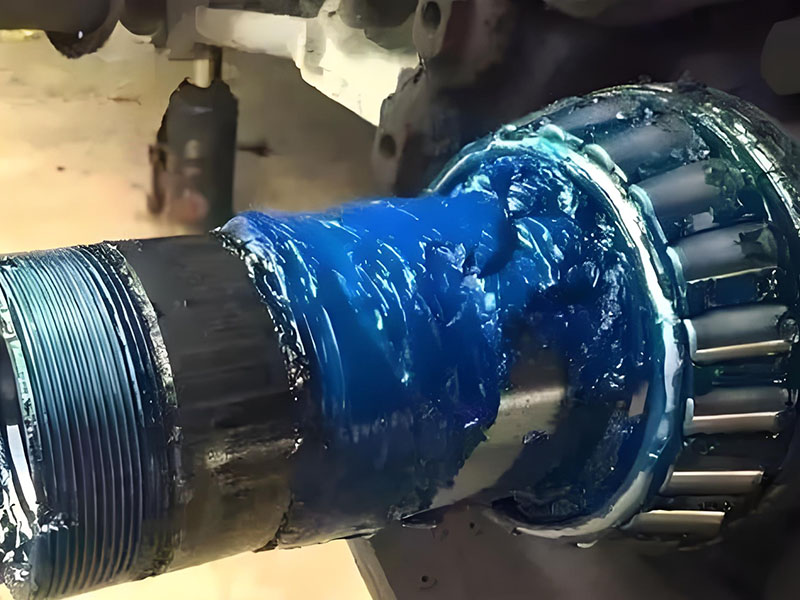
- Regular Lubrication: This is the most critical maintenance task. Use the recommended grease type and quantity. Rotate the bearing while greasing to ensure even distribution.
- Bolt Torque Inspection: After the first few hours of operation and periodically thereafter, check the mounting bolts for the correct torque, as they can settle.
- Operational Condition Monitoring: Listen for any unusual noise or feel for vibration. A sudden change often indicates contamination, loss of lubrication, or damage to the raceways.
7. Heavy Duty Turntable Bearings vs. Lazy Susan Bearings
While they share the concept of rotation, these two components are worlds apart.
7.1 Core Difference: Load Capacity and Durability
A Lazy Susan bearing is a lightweight, low-cost component designed for light-duty applications like kitchen cabinets or store displays. It is made from thin sheet metal or plastic and will fail instantly under heavy loads. A heavy duty turntable bearing, conversely, is a precision machine element made from thick, forged steel, engineered to support tons of weight for years.
7.2 Application Scenarios: Industrial vs. Light Duty
You would use a Lazy Susan for a rotating spice rack. You require a heavy duty turntable bearing for a 50-ton excavator. Confusing the two could lead to catastrophic equipment failure and severe safety hazards.
8. Common Problems, Causes, and Troubleshooting
8.1 Abnormal Noise or Vibration
- Cause: Contaminants in the raceway, lack of lubrication, or the beginning stages of surface fatigue (flaking).
- Solution: Clean and re-lubricate. If noise persists, inspect for damage. It may indicate the bearing is reaching the end of its service life.
8.2 Excessive Clearance or Play
- Cause: Wear of the raceways and rolling elements due to heavy use or insufficient lubrication. Can also be caused by an overload that plastically deforms the raceways.
- Solution: Increased play affects precision and load distribution. The bearing likely needs to be replaced.
8.3 Gear Wear or Tooth Breakage
- Cause: Misalignment between the pinion and the bearing gear, improper backlash settings, or shock loads.
- Solution: Check and adjust the pinion alignment. For worn teeth, gear replacement (or complete bearing replacement) is necessary.
8.4 Premature Bearing Failure
- Cause: The vast majority of failures are due to improper installation, inadequate lubrication, or overloading beyond the design specifications.
- Solution: Review the application’s load calculations and maintenance schedule. Ensure the chosen bearing is correctly sized for the actual operating conditions.
9. Conclusion
Heavy duty turntable bearings are complex, mission-critical components. Understanding their types, specifications, and maintenance needs is essential for the success and safety of your machinery.
Contact DUHUI Bearing today to discuss your heavy duty turntable bearing requirements. Whether you need a standard replacement or a custom-engineered solution, our team is ready to serve you.