Welcome to the definitive guide on the 608 bearing. Whether you’re a skateboarder looking for a smoother ride, a 3D printing enthusiast seeking precision, or an engineer sourcing components, you’ve likely encountered this small but mighty part. At DUHUI Bearing, with over 20 years of manufacturing experience and 15 years in global exports, we’ve produced, tested, and supplied millions of 608 bearings. This guide compiles our expertise to help you understand everything about the 608, from its core specifications to expert tips on selecting the perfect one for your application.
1. What is a 608 Bearing?
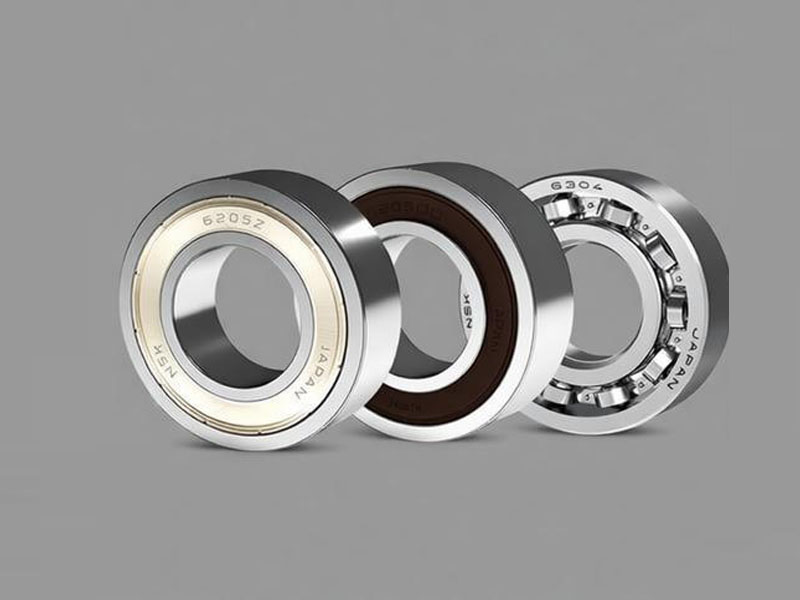
A 608 bearing is a specific size of a single-row, deep groove radial ball bearing, defined by metric dimensions. The numerical code “608” tells you its size: it has an 8mm bore, a 22mm outer diameter, and a 7mm width. This standardized sizing makes it a universal component, easily sourced and replaced worldwide.
1.1 Technical Specifications
Dimensions (The “Size Chart”):
- Bore Diameter (d): 8 mm
- Outer Diameter (D): 22 mm
- Width (B): 7 mm
Common Materials:
- Chrome Steel (GCr15): The standard material, offering high load capacity and durability for most applications.
- Stainless Steel (AISI 440C): Offers superior corrosion resistance for use in humid or outdoor environments.
- Ceramic (Si3N4): Used in hybrid (ceramic balls, steel rings) or full ceramic variants for extreme speeds, electrical insulation, and corrosion resistance.
1.2 Common 608 Bearing Types
The key differentiator in a 608 bearing is its type of closure, which protects the internal components.
- 608 Open: No shields or seals. Allows for maximum speed but requires frequent cleaning and lubrication. Ideal for high-speed applications where maintenance is regular.
- 608ZZ (Metal Shields): Features a non-contact metal shield on both sides. Excellent for keeping out large debris while offering very low friction, making them suitable for high-speed applications in relatively clean environments.
- 608-2RS (Rubber Seals): Equipped with contact rubber seals on both sides. Provides the best protection against dust, dirt, and moisture. This superior protection results in a “maintenance-free” life but slightly increases rotational friction, making them ideal for longevity in dirty environments.
2. The Key Features & Advantages of 608 bearings
The 608 bearing’s popularity isn’t accidental. Its design offers a perfect balance of performance, size, and cost.
- Versatile & Compact Design: Its small footprint (22x8x7 mm) allows engineers and hobbyists to incorporate smooth, reliable rotation into incredibly compact devices.
- High-Speed & Low-Friction Performance: The deep groove geometry is designed to handle both radial and axial loads, while precision manufacturing ensures minimal friction, enabling high rotational speeds.
- Low Maintenance & Widely Available: Because the 608 is a global standard, replacements are easy to find. Sealed versions (2RS) are often lubricated for life, requiring no maintenance.
- Cost-Effective Engineering: It delivers reliable performance at a very low cost, making it the go-to choice for mass-produced items like skateboards, fidget spinners, and consumer electronics.
3. Anatomy of a 608 Bearing: How It Works
To understand how it performs, it helps to know what’s inside.
- Inner Ring: The smaller ring with the 8mm bore. This fits onto a rotating shaft or axle.
- Outer Ring: The larger ring that fits into a housing.
- Rolling Elements (Balls): The precision spheres that roll between the inner and outer rings, facilitating smooth motion.
- Cage (Retainer): Separates the balls, ensuring they don’t rub against each other and maintain even spacing. Cages can be made of steel (for strength) or nylon (for quieter operation).
4. Top Applications: Where You’ll Find 608 Bearings
The 608 is the heartbeat of many devices you use every day.
- Skateboards, Inline Skates & Scooters: This is the 608’s claim to fame. It allows wheels to spin freely and smoothly, providing speed and a better ride. The ABEC rating scale is often used here to indicate precision.
- 3D Printers & CNC Machines: Found on linear motion rods and lead screws, 608 bearings provide the precise, low-friction movement required for high-quality prints and cuts.
- Power Tools & Small Electric Motors: From handheld fans to small grinders, the 608 is used to support motor shafts, ensuring efficient and durable operation.
- Robotics & Hobbyist Projects: In DIY robotics, they provide smooth rotation for wheels, arms, and other moving parts.
5. How to Choose the Perfect 608 Bearing for Your Needs (Expert Selection Guide)
With over 20 years in the industry, DUHUI Bearing recommends basing your choice on these three critical factors. This isn’t just about buying a bearing; it’s about engineering the right solution.
5.1 Material Selection: Matching Performance to Environment
- Chrome Steel (Standard – e.g., DUHUI 608ZZ): Your best and most economical choice for general use. Perfect for skateboards, indoor printers, and toys where the environment is dry and clean.
- Stainless Steel (Corrosion-Resistant – e.g., DUHUI 608-2RS Stainless): If your application involves moisture, cleaning chemicals, or outdoor use (e.g., marine equipment, outdoor robotics), stainless steel is essential to prevent rust.
- Hybrid Ceramic (High-Speed – e.g., DUHUI 608 Hybrid Ceramic): The ultimate choice for speed. The lighter ceramic balls reduce friction and centrifugal force, allowing for significantly higher RPMs. Ideal for racing skateboards or high-speed spindles.
5.2 Load and Speed Requirements
- The 608 is primarily designed for radial loads (perpendicular to the shaft). While it can handle some axial (thrust) load, it’s not its primary function.
- Speed: Open bearings or those with ZZ shields offer the least friction and thus the highest speed potential. 2RS seals add drag, reducing the maximum achievable speed but extending bearing life in dirty conditions.
5.3 Environmental Factors: The Seal vs. Shield Decision
This is the most common point of confusion.
- Choose 2RS (Rubber Seals) for: Harsh environments with dust, dirt, or moisture. The contact seal keeps contaminants out. You sacrifice a small amount of speed for a significantly longer life.
- Choose ZZ (Metal Shields) for: Relatively clean environments where you want high speed. The non-contact shield keeps out large particles but offers less protection than rubber.
- Choose Open for: Applications where you are performing regular maintenance, cleaning, and re-lubricating for maximum performance (e.g., professional racing).
6. Pro Tips: Maintaining Your 608 Bearings for Maximum Lifespan
Even the best bearing needs care. Here’s how to keep your 608s spinning perfectly.
- Cleaning (For Open/Removable Bearings): Remove the bearing and soak it in a solvent like isopropyl alcohol or a dedicated bearing cleaner. Spin it in the solvent to flush out old grease and debris. Let it air dry completely. Never use high-speed compressed air to spin a dry bearing dry, as this can cause damage.
- Lubrication: Apply a high-quality bearing grease for general use. For high-speed applications, a few drops of light machine oil are better. For sealed bearings (2RS), they are pre-lubricated and require no maintenance until the end of their life.
- Inspection: Routinely spin the bearing and feel for roughness, vibration, or hear any unusual noise. Check for visible damage or rust.
- Installation Best Practices: Never hammer a bearing into place. Use an arbor press or a mounting tool that applies force only to the ring being installed (press on the inner ring to mount on a shaft, on the outer ring to press into a housing). This prevents the load from transferring through the balls and damaging the raceways.
Conclusion
The 608 bearing is a marvel of simple, effective engineering. By understanding its specifications, types, and the key selection criteria, you can ensure optimal performance and longevity for your project. At DUHUI Bearing, our two decades of manufacturing experience mean every bearing we produce meets the highest standards of precision and durability.
FAQs
What does the “608” mean in a bearing number?
The numbering system is metric. The “6” indicates it’s a single-row deep groove ball bearing. The “08” indicates the bore size: 8mm (08 x 5 = 8mm).
What is the difference between a 608ZZ and a 608-2RS bearing?
A 608ZZ bearing has non-contact metal shields on both sides, offering protection with very low friction for high-speed use. A 608-2RS bearing has contact rubber seals on both sides, providing a much better barrier against dirt and moisture for longer life in harsh conditions, but with slightly higher friction.
What is the bore size of a 608 bearing?
The bore (inner diameter) of a standard 608 bearing is 8mm. The outer diameter is 22mm, and the width is 7mm.
Can I use a 608ZZ bearing on a skateboard?
Yes, you can. 608ZZ bearings are very common on skateboards. However, many skaters prefer rubber-sealed (2RS) bearings for better protection against dirt, or open bearings for racing where they clean and re-lube frequently. The choice depends on your riding conditions and maintenance preferences.
What is a 608 ceramic bearing used for?
608 hybrid ceramic bearings are used in applications demanding extremely high speeds and low friction, such as in racing skateboards, high-performance RC vehicles, and precision medical or laboratory equipment.