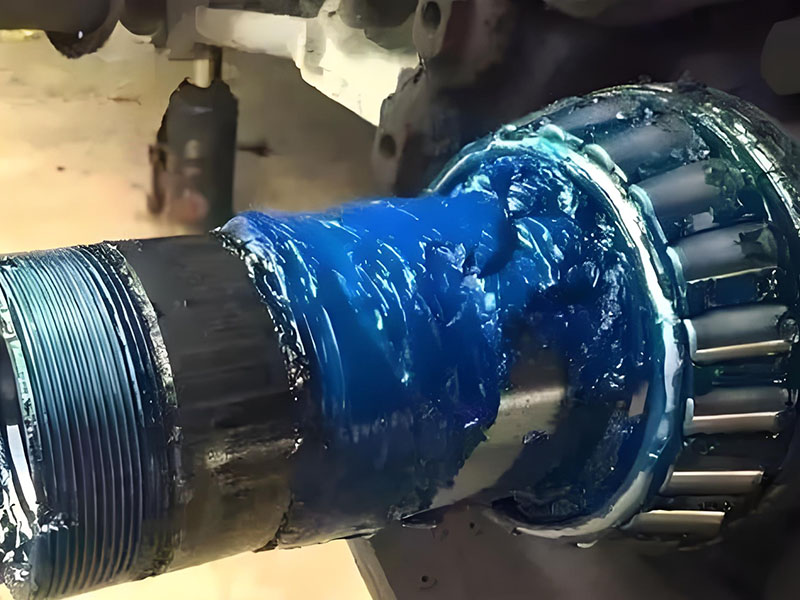
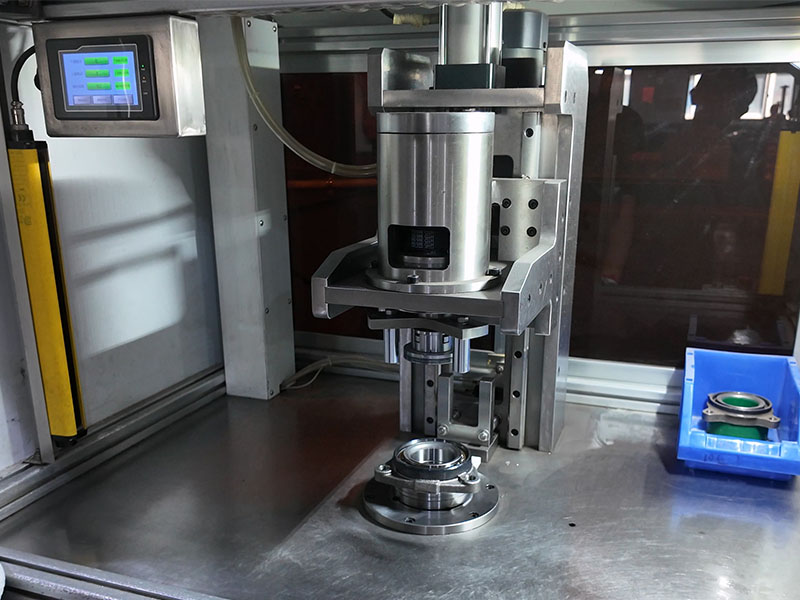
Have you ever experienced a disconcerting “clunk” when turning the wheel of a truck, or felt an unusual vibration that numbs your hands after a long haul? More often than not, the source of these issues isn’t the steering gear itself, but a critical, yet often overlooked component: the steering wheel hub assembly. Understanding this part is key to ensuring safety, reliability, and driver comfort. DUHUI will provide an in-depth look at what a steering wheel hub assembly is, its unique role in heavy-duty commercial vehicles, and how to maintain it for maximum longevity.
1.What is a Steering Wheel Hub Assembly?
In essence, a steering wheel hub assembly is the mechanical and electrical interface between the steering wheel and the vehicle’s steering column. It’s far more than a simple fastener; it is a precisely engineered component that ensures safe and efficient control of a vehicle that can weigh up to 80,000 pounds.
A high-quality steering wheel hub assembly consists of several key elements:
- Hub Body: The central structural core, typically made from high-strength steel or alloy, providing the rigid foundation for the entire assembly.
- Spline Connection: This is a series of precisely machined grooves inside the hub that mesh with the splines on the steering shaft. This connection is critical for transferring torque (your turning force) without any slippage.
- Mounting Flange/Boss: The flat surface onto which the steering wheel is bolted. It ensures the wheel is perfectly centered and securely mounted.
- Integrated Interface: Modern heavy-duty vehicles feature complex electronics. The hub assembly provides the necessary pathways and mounting points for the horn, the clockspring (for airbag and steering wheel controls), and wiring for multifunction buttons.
2.Key Functions of the Steering Wheel Hub Assembly in Commercial Vehicles
The role of this assembly extends to four primary functions that directly impact vehicle operation and driver experience:
- Precise Steering Force Transfer: The primary function is to transmit the driver’s input—every subtle correction and every deliberate turn—from the steering wheel to the steering gear. The spline connection ensures zero-lag, direct response, which is vital for maneuvering large vehicles in tight spaces or reacting to hazards.
- Secure and Reliable Driver-Vehicle Interface: In the demanding environment of a commercial vehicle, subjected to constant vibration and high stress, the hub assembly must maintain a rock-solid connection. A failure here could mean a complete loss of steering control, making its structural integrity a paramount safety concern.
- Integration Hub for Vehicle Controls: Today’s trucks are equipped with cruise control, Bluetooth, infotainment, and engine brake switches—all within arm’s reach on the steering wheel. The steering wheel hub assembly provides the stable, non-rotating base for the clockspring, allowing these electronic signals to be transmitted safely from the rotating wheel to the vehicle’s electrical system.
- Enhanced Driver Comfort and Ergonomics: By providing a stable base for the steering wheel, the hub allows for proper adjustment of the wheel’s position (tilt/telescoping). This ergonomic flexibility is crucial for long-haul drivers, helping to reduce fatigue and maintain a comfortable, safe driving posture over thousands of miles.
3.Unique Design Considerations for Heavy-Duty Applications
A passenger car hub assembly differs significantly from one designed for a Class 8 truck. The latter must be engineered to withstand extreme conditions:
- Vibration Damping & Ride Comfort: Heavy-duty vehicles are subjected to constant, high-amplitude vibrations from the road and engine. Premium hub assemblies incorporate vibration-damping elements—whether through specialized rubber isolators or integrated dampers—to filter out these harsh frequencies. This prevents “white finger” (vibration-induced hand-arm fatigue) and protects the steering column and gear from premature wear.
- Collapsible Energy-Absorbing Structure: Safety is paramount. In the event of a severe frontal impact, the steering wheel hub assembly is designed with a collapsible section. It is engineered to buckle or compress in a controlled manner, absorbing kinetic energy and reducing the risk of chest and head injuries to the driver by moving the steering wheel forward upon impact.
- Superior Weather Resistance & Durability: A truck operates in all weather, from arctic cold to desert heat, and is constantly exposed to road salt, moisture, and grime. A reliable hub assembly is manufactured using high-strength alloys and protected with advanced anti-corrosion coatings (such as zinc-nickel plating or Dacromet) to resist rust, pitting, and material fatigue for millions of miles.
4.Maintenance & Common Failure Modes
Recognizing the signs of a failing steering wheel hub assembly can prevent costly downtime and dangerous failures.
4.1 Common Failure Symptoms
- Excessive Play or Looseness: If the steering wheel feels like it has vertical or horizontal movement independent of the steering shaft, or if there’s a noticeable delay in the steering response, the spline connection may be worn or the mounting nut may have loosened.
- Abnormal Noise: A “clicking” sound when turning the wheel or a persistent grinding noise are telltale signs. Clicks often indicate worn or damaged splines, while grinding suggests internal bearing failure within the hub assembly.
- Functional Failure: If the horn stops working, the airbag warning light illuminates on the dashboard, or the multifunction steering wheel buttons cease to operate, the internal wiring or the clockspring interface is likely damaged and requires immediate inspection.
4.2 Key Inspection & Repair Points
- Torque Specification Adherence: This is non-negotiable. Always use a calibrated torque wrench. The central nut that secures the hub assembly to the steering shaft must be tightened to the exact OEM specification. Under-torquing leads to play and eventual spline failure; over-torquing can crush the splines or crack the hub body.
- Spline Condition Check: Before installation, thoroughly inspect the splines on both the steering shaft and the hub for any signs of wear, burrs, or rust. Clean them with a wire brush and apply a thin layer of anti-seize or specified grease to prevent galling and ensure a smooth, secure fit.
- Electrical Connection Integrity: When replacing the hub assembly, carefully inspect all electrical connectors, especially the clockspring connections. Ensure they are free from corrosion and are securely fastened. A poor connection here can lead to intermittent electronic issues or a non-deploying airbag.