A one-way clutch bearing, also known as a sprag or freewheel bearing, is a precision component designed to transmit torque in one rotational direction and allow free rotation in the opposite direction. Its reliability is critical in applications from starter motors to industrial conveyors. However, even the highest quality bearing from a trusted manufacturer like DUHUI Bearing will fail prematurely if not installed correctly. In fact, improper installation is the root cause of the majority of bearing failures. This guide provides a comprehensive, step-by-step approach to installing one-way clutch bearings, ensuring maximum performance, safety, and longevity for your machinery.
1.Understanding Your One Way Clutch Bearing
Before beginning any installation, it’s vital to understand the component you are handling.
- What is a One Way Clutch Bearing? It is a mechanical device that allows a shaft to rotate freely in one direction (overrun) but locks it solidly to the housing or another component when rotation is attempted in the opposite direction. This is achieved through internal elements like sprags, rollers, or cams that engage or disengage based on rotation.
- Common Types: You may encounter sprag clutches (which use shaped steel sprags for high torque), roller ramp clutches (which use rollers in precision cams), or cam clutches. Each is designed for specific load and speed requirements.
- Why Correct Installation Matters: The locking mechanism relies on precise geometry. An installation that is misaligned by even a few hundredths of a millimeter can prevent the elements from engaging, causing slippage, or from disengaging, causing overheating and jamming.
2.Pre-Installation: Preparation Prevents Poor Performance
Rushing into installation without proper preparation is a recipe for disaster. Take the time to gather your tools and inspect all components.
Essential Tools & Materials:
- Measuring Tools: Internal and external micrometers to verify shaft and housing dimensions.
- Mounting Tools: An induction heater or oil bath for heating the bearing, a hydraulic press, or a soft-faced mallet (brass or copper) and a mounting sleeve.
- Safety Gear: Safety glasses, heavy-duty gloves.
- Consumables: High-quality lint-free cloths, the correct lubricant (as specified by the bearing manufacturer), and fine-grit emery cloth.
Critical Safety Precautions: Bearings can have sharp edges. Always wear gloves. If using an oil bath, be cautious of hot oil and fumes. Induction heaters can get very hot very quickly.
Component Inspection & Measurement:
- Inspect the Shaft and Housing: Carefully check for any burrs, nicks, scratches, or raised areas on the shaft and inside the housing bore. Use an emery cloth to gently remove any minor imperfections.
- Verify Fit: Measure the shaft diameter and housing bore diameter at several points. Compare these measurements to the tolerances specified for your bearing. A fit that is too tight can cause the bearing to bind, while a loose fit will cause it to spin in its seat, leading to rapid wear.
The Golden Rule of Cleanliness: Before assembly, wipe the shaft and housing bore with a clean, lint-free cloth soaked in light oil or solvent to remove all dust, chips, and moisture. Even a single grain of dust can compromise the delicate internal mechanism of a one-way clutch.
3.Step-by-Step Installation Mastery
With everything prepared, you can now proceed with the installation. The cardinal rule is to apply mounting force only to the race that has the interference fit.
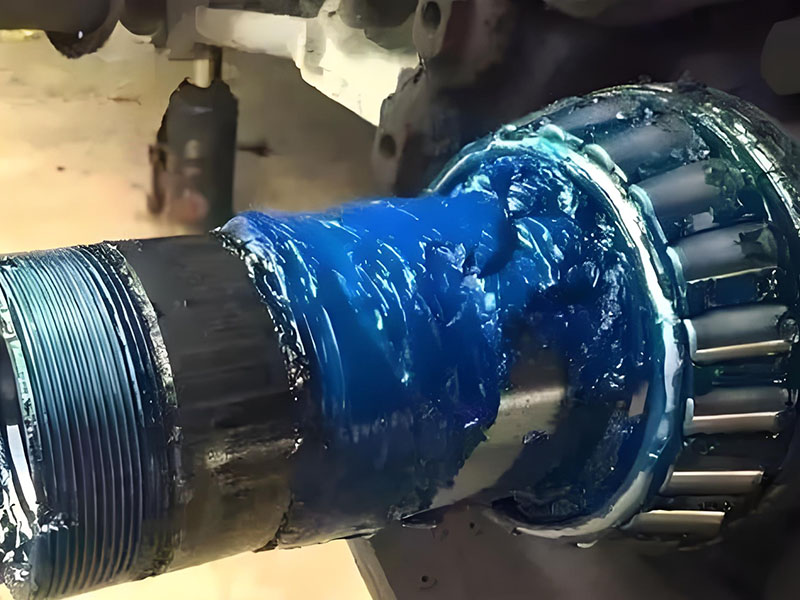
Pre-Lubrication: Apply a thin film of the specified clean lubricant to the shaft and housing bore to aid in installation. For some one-way clutch bearings, the internal mechanism may require initial lubrication; always refer to the manufacturer’s instructions.
The Correct Mounting Method:
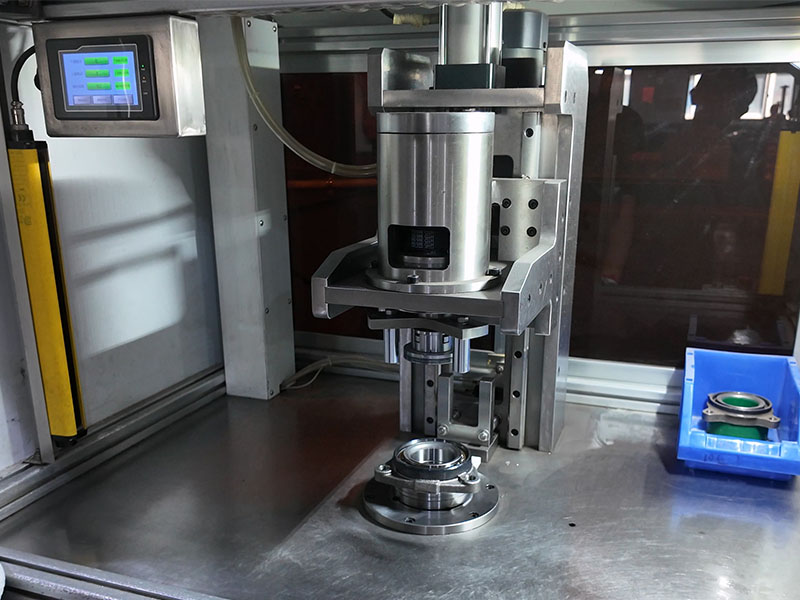
For Press Fits: If the bearing is being pressed onto a shaft, use a press and a mounting tube that contacts only the inner ring. If pressing into a housing, the tube must contact only the outer ring. This ensures the force bypasses the delicate clutch elements. Never hammer directly on the bearing.
For Thermal Expansion: Heating the inner ring (for shaft mounting) is the cleanest method. Heat the bearing in an induction heater or oil bath to the specified temperature (typically 80°C to 100°C). Never exceed 120°C, as this can alter the bearing steel’s metallurgy and hardness. Quickly slide the heated bearing onto the shaft until it contacts the shoulder.
Achieving Precise Alignment: Whether pressing or sliding a heated bearing, keep it perfectly square to the shaft or housing. Tilting it during insertion can gouge the mating surface and cause the bearing to become cocked, leading to immediate noise and failure.
Securing Axial Location: Once in place, hold the bearing firmly against its shoulder or retaining ring until it cools (if heated). This ensures it is seated correctly.
4.Post-Installation Verification: The Quality Check
Your work isn’t done until you’ve verified the installation is successful.
- Rotational Freedom Check: After the bearing has cooled to ambient temperature, rotate the shaft by hand in the freewheeling direction. It should spin smoothly, quietly, and without any catching or roughness.
- One-Way Function Test: Attempt to rotate the shaft in the opposite direction. The mechanism should engage immediately and firmly, with no perceptible slippage. This confirms the internal elements are positioned correctly.
- Final Run-out & Cleanliness Check: Use a dial indicator to check for excessive shaft run-out. Finally, wipe away any excess lubricant or debris that may have accumulated during the installation process.
5.Avoiding Common Pitfalls: Learn from Others’ Mistakes
Even experienced mechanics can fall into these traps. Be aware of the most common installation errors:
- Brutal Assembly: Never hammer directly on the bearing. This damages the races and the internal clutch elements.
- Lubrication Errors: Using grease that is too thick can prevent the one-way mechanism from engaging. Using too little oil can lead to starvation and seizing. Always use the recommended lubricant in the correct quantity.
- Ignoring Tolerances: A bearing is a precision component. Forcing it into a housing that is too small will crush the internal clearance. Installing it on a shaft that is too small will cause it to spin and wear.
- Directional Disasters: One-way bearings have a specific orientation (e.g., “free right, lock left”). Installing it backwards means the machine won’t function. Always check for directional arrows on the bearing or consult the data sheet.
- Contamination Crimes: Microscopic metal chips from a poorly cleaned housing can jam the sprags or rollers, instantly destroying the bearing’s function.
6.Long-Term Reliability: Maintenance & Monitoring
A correctly installed bearing will provide a long service life, especially if paired with a simple maintenance routine.
- Routine Checks: Periodically listen for any unusual noises like clicking or grinding during operation. Monitor for excessive vibration.
- Lubrication Regimen: Follow the Original Equipment Manufacturer (OEM) or DUHUI Bearing’s recommendations for re-lubrication. Over-greasing can be as harmful as under-greasing.
- Environmental Awareness: Protect the bearing from excessive heat, moisture, and abrasive dust. If the operating environment is harsh, consider enhanced sealing solutions.
Frequently Asked Questions (FAQs)
What are the most common applications for one way clutch bearings?
They are ubiquitous in automotive starter drives, alternators, and torque converters. In industrial settings, they are used in backstopping applications on conveyors, indexing tables, and as overrunning clutches in multi-speed drives.
Can I use any lubricant for one way clutch bearings?
No. Using the wrong lubricant is a common cause of failure. The clutch mechanism often requires specific oils with particular friction properties. Heavy grease can prevent the sprags or rollers from engaging. Always refer to the manufacturer’s specifications.
What if the bearing feels loose during installation?
If the bearing slips easily onto the shaft or into the housing with zero resistance where an interference fit is required, the component is out of tolerance. Do not attempt to “fix” this with adhesives or set screws if not designed for it. The bearing will spin and fail. You must measure the components and replace the out-of-tolerance part.
Conclusion
Mastering the installation of one-way clutch bearings is a skill that protects your machinery and minimizes downtime. By adhering to the principles of precision, cleanliness, and correct technique outlined in this guide, you ensure that the bearing’s sophisticated internal mechanism can perform its function flawlessly. From verifying tolerances before you begin to perform a final functional test, every step is an investment in reliability.
If you have any questions about a specific application or need assistance selecting the right bearing for your project, our team of engineers is here to help.