The gentle hum of the road, the smooth response to your steering, the quiet confidence of a safe journey – all of this depends on hundreds of precisely engineered components working in harmony. Among the most critical, yet often forgotten, are the humble ball bearings in your car’s wheels. When they begin to fail, the experience shifts from quiet confidence to noisy uncertainty.
DUHUI will explain everything you need to know about car ball bearings: how long they last, what causes them to wear out, the warning signs of failure, and how to make the best decision when it’s time for a replacement.
What Are Ball Bearings in a Car?
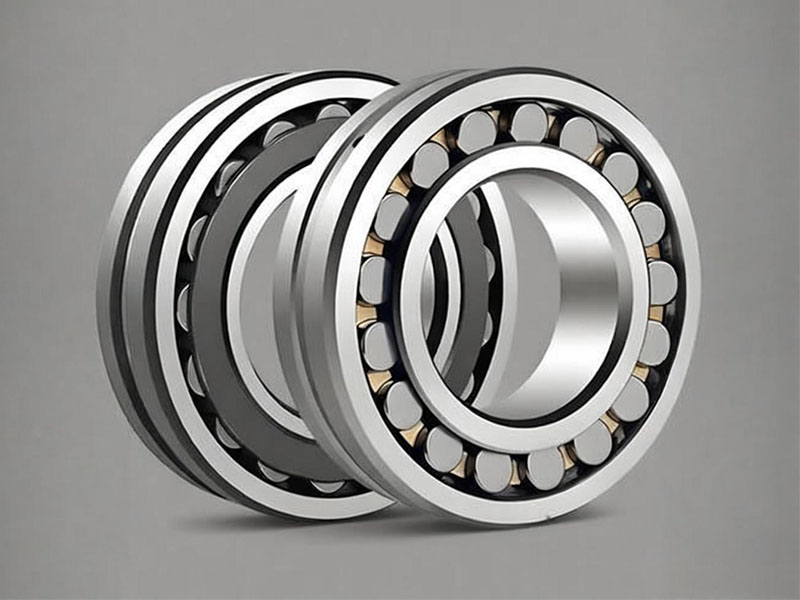
In the simplest terms, a ball bearing is a friction-reduction device. In a car, they serve a dual purpose: they allow the wheels to spin with minimal friction and simultaneously support the entire weight of the vehicle. They are the crucial interface between the stationary axle and the rotating wheel.
Key Components of a Ball Bearing
A standard ball bearing consists of several precision parts:
- The Inner and Outer Races: These are hardened steel rings. The inner race is mounted on the axle, while the outer race is pressed into the wheel hub.
- The Balls (Rolling Elements): Precision-ground steel balls that roll between the two races, facilitating smooth rotation.
- The Cage (Retainer): A separator that keeps the balls evenly spaced and prevents them from touching each other.
- The Seal: A vital component that keeps lubrication (grease) inside and contaminants like dirt, water, and road salt out.
Common Types of Ball Bearings in Automotive Applications
While modern vehicles often use integrated hub units, they rely on variations of ball bearing technology:
- Deep Groove Ball Bearings: The most common type. They are versatile, handle both radial and axial loads well, and are frequently found in wheels and transmissions.
- Angular Contact Ball Bearings: Designed to handle higher axial loads and are often used in pairs within wheel hubs where forces from cornering are significant.
- Thrust Ball Bearings: Specifically designed to handle axial loads and are less common in wheels but used in other areas like steering mechanisms.
The Average Lifespan: How Long Do Car Ball Bearings Last?
This is the central question for most drivers. While there is no expiration date stamped on a bearing, the automotive industry generally estimates a lifespan between 85,000 and 150,000 miles (approximately 136,000 to 240,000 kilometers).
It is crucial to understand that this is a broad average. A bearing in a compact car driven gently on smooth highways may last 150,000 miles or more. The same bearing in a heavy SUV frequently driven on rough, unpaved roads might fail before hitting 60,000 miles. Lifespan is not a guarantee, but a prediction based on ideal conditions.
5 Key Factors That Determine Ball Bearing Longevity
Why does lifespan vary so much? The longevity of your wheel bearings is determined by a combination of manufacturing quality, environment, and usage.
- Quality of Materials and Manufacturing: This is the foundation. A bearing made from high-grade steel, with precision-ground races and perfectly spherical balls, will inherently last longer. Equally important are the seals. High-quality seals, like those used by experienced manufacturers such as DUHUI Bearing, effectively keep lubricant in and damaging contaminants out. Inferior bearings are a false economy, often failing prematurely.
- Driving Conditions and Habits: Your driving environment is the biggest external factor. Frequent impacts from potholes or curb strikes physically dent the bearing races (a phenomenon called “brinelling”). Driving through deep water can wash away lubricant and cause corrosion. Similarly, carrying heavy loads or aggressive driving puts constant, high stress on the bearings.
- Proper Lubrication and Maintenance: Bearings are packed with special grease at the factory. If the seal fails and grease leaks out, or if the grease degrades from extreme heat, friction increases exponentially, leading to rapid overheating and failure. While modern sealed bearings are maintenance-free, their health depends entirely on the integrity of that initial lubrication.
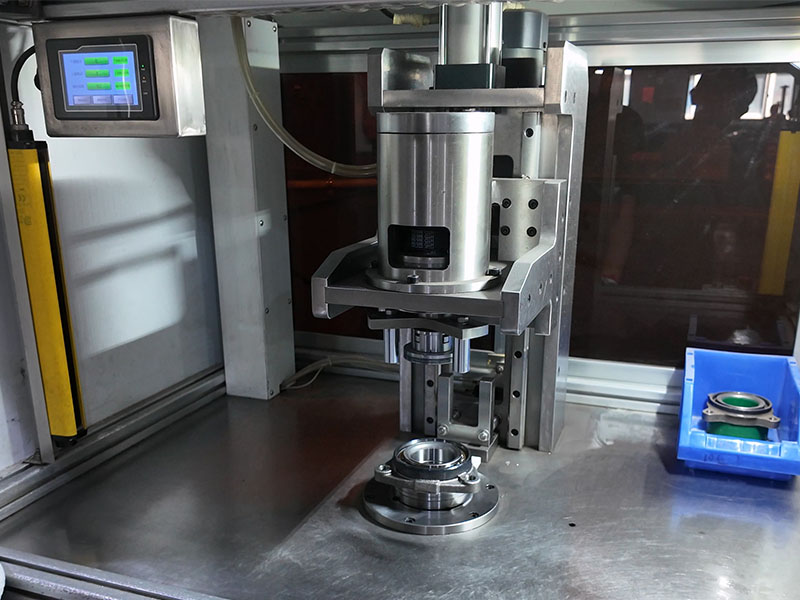
- Correct Installation: A new, high-quality bearing can be destroyed by a poor installation. Pressing a bearing in incorrectly, using a hammer, or over-tightening the hub nut can create stress points, leading to premature noise and failure. This is why proper tools and techniques are non-negotiable.
- Vehicle Type and Weight: Heavier vehicles like SUVs, trucks, and vans place greater static and dynamic loads on their bearings. Consequently, their bearings may have a shorter service life compared to those in lighter passenger cars.
7 Critical Signs of Worn-Out Ball Bearings (Don’t Ignore These!)
Your car will almost always provide warning signs before a bearing fails completely. Learning to recognize them can prevent a breakdown and ensure your safety.
- Rumbling, Grinding, or Humming Noise: This is the most common symptom. It often sounds like driving on rough asphalt or a low-flying aircraft. The noise typically changes with vehicle speed and may get louder or disappear momentarily when you turn the steering wheel, which shifts the load on the bearing.
- Vibration in the Steering Wheel: Excessive play in a worn bearing can cause a vibration that you can feel through the steering wheel. This may start at certain speeds and get progressively worse.
- Uneven or Premature Tire Wear: If a wheel bearing has excessive play, the wheel can wobble slightly. This “sloppiness” causes the tire to scrub against the road at an angle, leading to uneven wear patterns that can’t be fixed by a simple alignment.
- Vehicle Pulling to One Side: A severely worn bearing can alter the geometry of the wheel, causing the vehicle to drift or pull to one side while driving.
- Loose or Wobbly Wheel: This is a dangerous sign. If you can feel play in the wheel when it’s jacked up (by grabbing it at the top and bottom and rocking it), the bearing tolerance is dangerously worn, and the wheel is at risk of detaching.
- ABS Light Activation: Many modern wheel bearings have an integrated magnetic encoder ring for the Anti-lock Braking System (ABS). If the bearing wear damages this ring, or if the wobble moves it out of range of the sensor, it can trigger the ABS warning light on your dashboard.
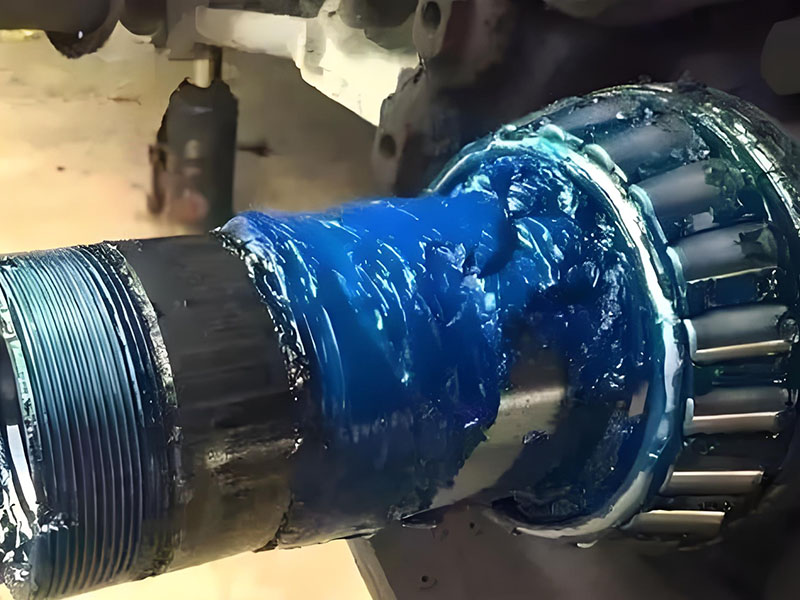
- Grease Leakage: If you notice grease slung around the inside of your wheel or on the edge of the tire, it indicates that the bearing seal has failed. Without grease, bearing failure is imminent.
How to Maximize the Service Life of Your Wheel Bearings
While you can’t control everything, proactive measures can significantly extend the life of your bearings.
- Choose Quality Parts: When replacement time comes, opt for bearings from a manufacturer with a proven track record. With 20 years of manufacturing and 15 years of export experience, DUHUI Bearing understands the precision and material quality required for long-lasting, reliable performance.
- Adopt Smooth Driving Habits: Avoid potholes and debris when possible. Slow down for speed bumps and railroad crossings. Minimize curb impacts when parking.
- Regular Professional Inspections: Ask your mechanic to check for wheel bearing play during routine services like tire rotations or brake pad replacements. Catching a problem early can save you from a more costly repair later.
- Listen to Your Car: You are the first line of defense. If you notice a new hum, rumble, or vibration, don’t just turn up the radio. Investigate it.
The Replacement Decision: DIY or Professional?
Eventually, a worn bearing must be replaced. You’ll then face a critical decision.
The DIY Route
- Pros: The primary advantage is cost savings on labor. It can also be a satisfying project for an experienced home mechanic.
- Cons: Replacing a wheel bearing often requires specialized tools that most DIYers don’t own, such as a hydraulic press to remove and install the bearing, and a high-torque wrench capable of tightening the axle nut to several hundred foot-pounds. The risk of improper installation is high, which can lead to premature failure and a serious safety hazard. It is also very
Professional Replacement
- Pros: A professional mechanic has the expertise, specialized tools, and experience to do the job correctly and efficiently. The replacement will typically come with a warranty on both parts and labor, giving you peace of mind.
- Cons: The most significant drawback is the higher cost due to labor charges.
Our Recommendation: For the vast majority of drivers, professional replacement is the safest and most reliable option. The critical role of the wheel bearing in your vehicle’s safety and handling makes it a job best left to the experts. If you are supplying parts for a professional shop or have a trusted mechanic, partnering with a quality manufacturer like DUHUI Bearing ensures you are starting with the best possible foundation for a safe and lasting repair.
Conclusion
Your car’s ball bearings are small components with a massive responsibility. Understanding their average lifespan, recognizing the tell-tale signs of wear, and knowing the importance of quality and correct installation are key to ensuring your safety and the reliability of your vehicle. Don’t ignore the warning hums and vibrations. When replacement time comes, prioritize quality parts and professional expertise.
For automotive businesses, repair shops, and distributors looking for a reliable partner in performance and durability, explore the range of high-quality bearings from DUHUI Bearing. With two decades of manufacturing excellence, we provide the precision and reliability your customers demand.