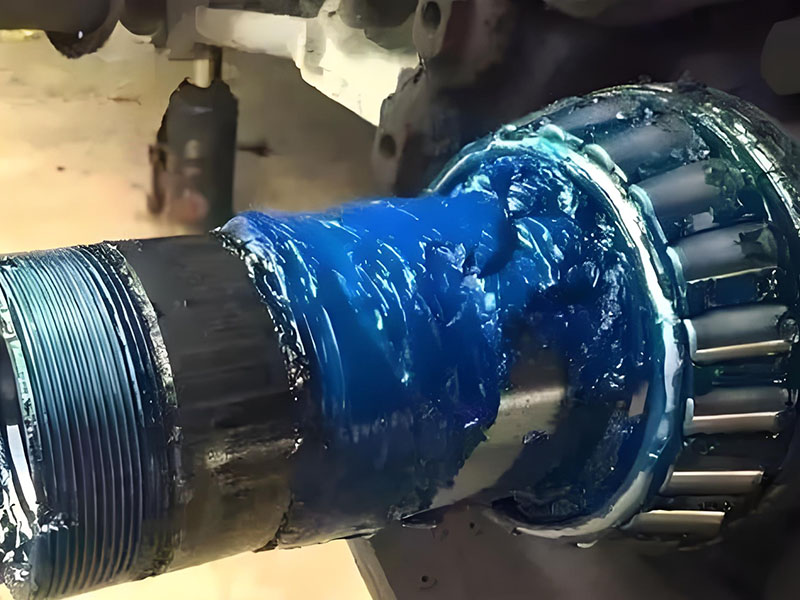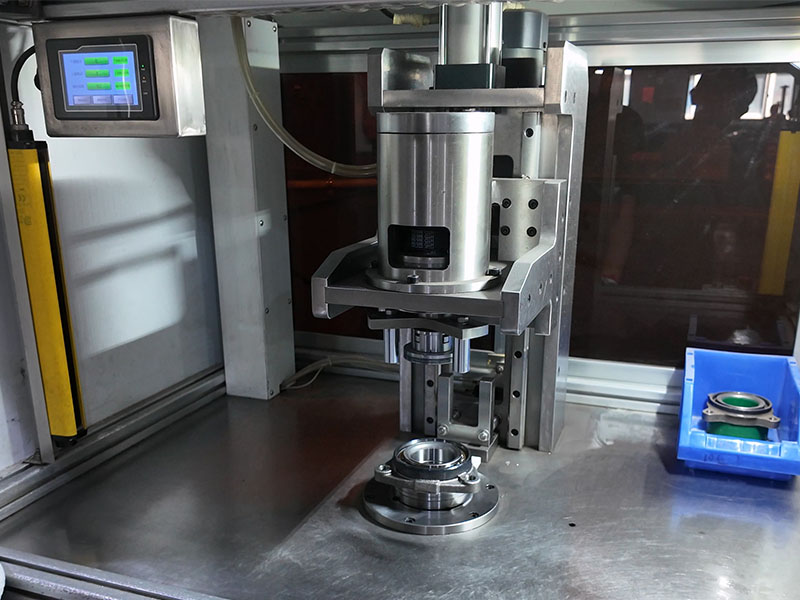
Replacing a wheel hub assembly might seem like a straightforward job, but it’s one of the most critical maintenance tasks for your vehicle’s safety and performance. A seemingly small error during installation can drastically shorten the lifespan of the new part, lead to annoying noises, or even trigger warning lights on your dashboard. Have you ever replaced a wheel bearing only to hear that dreaded humming sound return just a few months later? More often than not, the culprit isn’t the part itself, but how it was installed. To help you get the job done right the first time, DUHUI has outlined five common mistakes to avoid when replacing a wheel hub assembly, ensuring a safe, quiet, and long-lasting repair.
Mistake 1: Using an Impact Wrench for Final Tightening
In the pursuit of speed, many technicians rely on impact wrenches for both disassembly and reassembly. While an impact wrench is great for removing stubborn nuts, using it to tighten the axle nut or mounting bolts is a recipe for disaster.
The problem lies in the uncontrollable torque. Impact wrenches can easily over-torque fasteners, stretching the threads or altering the internal preload of the bearing. This internal stress leads to premature bearing wear, excessive play, and eventual failure. The correct practice is to always use a calibrated torque wrench. Whether you are installing a wheel hub for a passenger car or a heavy-duty SUV, always adhere to the specific torque values provided by the vehicle manufacturer or the hub assembly supplier. This ensures the bearing is seated correctly and operates within its designed specifications.
Mistake 2: Reusing the Old Self-Locking / Staking Nut
The axle nut, often a self-locking or staking nut, is a small component with a critical job. It’s designed to be a one-time-use part. Reusing this nut to save a few dollars is a significant risk.
The locking mechanism on these nuts is engineered to deform upon first installation, creating a secure, vibration-proof hold. Once removed, this mechanism is compromised. A reused nut can gradually loosen over time as the vehicle encounters normal driving vibrations, leading to wheel wobble and catastrophic bearing failure. The correct practice is simple: always replace the axle nut with the new one provided in the wheel hub assembly kit, or purchase a new one as specified in your vehicle’s repair manual. This small step is a critical investment in your safety.
Mistake 3: Neglecting Thorough Cleaning Before Installation
Installing a new, precision-engineered wheel hub assembly onto a dirty or corroded surface is like building a house on a shaky foundation. It’s one of the most overlooked yet crucial steps.
Failing to clean the axle shaft (spindle) and the wheel speed sensor area can lead to multiple issues. Rust and debris on the axle shaft prevent the hub from seating flush, causing misalignment, bearing deformation, and noise. Dirt or metal shavings on the wheel speed sensor or its mounting hole can disrupt the signal, triggering the ABS and traction control warning lights. The correct practice is to meticulously clean all mating surfaces. Use a wire brush or sandpaper to remove all rust and scale from the axle shaft. Also, ensure the sensor mounting hole and the sensor tip itself are free from any debris or corrosion before installation.
Mistake 4: Ignoring Bore Inspection and Flange Runout Measurement
Before you even pick up the new wheel hub assembly, a quick inspection of the steering knuckle’s bore is essential. After installation, verifying the flange runout is just as important.
An unclean or damaged bore (the hole where the hub fits) can affect the final fit, leading to premature wear. More critically, if the brake rotor mounting flange has excessive runout, you will experience brake pulsation and vibration, even with new rotors. The correct practice involves a two-step verification process. First, inspect the bore in the knuckle for any nicks, burrs, or deformation. Second, after the new assembly is installed and torqued, use a dial indicator to measure both the axial and radial runout of the flange. Ensuring this is within the manufacturer’s specifications is the only way to guarantee a smooth, vibration-free braking experience.
Mistake 5: Choosing a Low-Quality Replacement Part
Even with perfect installation, a low-quality wheel hub assembly will fail. While it might be tempting to opt for the cheapest option, this often results in higher costs down the line due to early replacement and labor costs.
Low-quality parts frequently use inferior steel, have poor seal designs, and lack rigorous testing, making them prone to noise and short service life. A high-quality replacement, like those manufactured by DUHUI Bearing, is built to meet or exceed Original Equipment (OE) standards. Here’s what to look for:
- High-Strength Steel: For structural integrity and durability.
- Pre-Assembled Integration: Simplifies installation and ensures proper component alignment.
- Stringent NVH Testing: Guarantees that the bearing is designed for low Noise, Vibration, and Harshness.
- Advanced Sealing Technology: Features like triple-lip seals provide superior protection against water, mud, and dust, dramatically extending the component’s life.
Conclusion
Replacing a wheel hub assembly is a job where attention to detail directly translates to safety, performance, and peace of mind. By avoiding these five common mistakes—using proper torque tools, replacing critical fasteners, cleaning thoroughly, inspecting for runout, and choosing a high-quality part—you can ensure a repair that lasts.