If you own a Dodge or RAM truck—especially a heavy-duty model like the 2500 or 3500—you know they’re built to work. But that rugged capability puts immense stress on key components, particularly the wheel hubs. Have you noticed a droning noise that changes with speed? Or maybe you feel an unusual vibration in the steering wheel? These aren’t just annoyances; they are the first warning signs of a failing wheel hub. Ignoring them can lead to unsafe driving conditions and more expensive repairs down the road. DUHUI will walk you through the most common wheel hub problems in Dodge/RAM trucks, how to diagnose them, and the best practices for a lasting repair.
1. Common Symptoms of a Failing Wheel Hub
Your truck communicates its problems through sounds, sensations, and visual clues. Here’s what to look for when you suspect a wheel hub issue.
The Humming or Growling Noise
A classic symptom of a worn wheel bearing is a humming, growling, or grinding noise. This sound typically increases with vehicle speed and may change pitch when you steer left or right. If the noise gets louder when you turn right, the problem is often on the left side, and vice versa.
Vibrations in the Steering Wheel or Floorboard
As the bearing wears, it can create excessive runout, leading to vibrations. You might feel this in the steering wheel, which can be mistaken for a tire balance issue, or through the floorboard, indicating the problem is likely in the rear.
Vehicle Pulling to One Side
A severely worn hub can cause the wheel to tilt slightly, leading to a pulling sensation. While often attributed to alignment problems, a faulty wheel hub assembly can also be the culprit, creating unpredictable steering behavior.
Uneven Tire and Brake Pad Wear
A failing hub allows for excessive wheel movement, which can cause accelerated and uneven tire wear. Similarly, if the hub assembly isn’t holding the rotor true, you may experience premature or uneven brake pad wear, leading to pulsations in the brake pedal.
2. Why Do Dodge/RAM Trucks Experience These Issues?
Dodge and RAM trucks are designed for heavy-duty applications, but this very capability contributes to the stress on wheel hubs. Understanding the root causes can help you prevent premature failure.
The Weight Factor
The Gross Vehicle Weight Rating (GVWR) on trucks like the RAM 2500 and 3500 is significant. This constant, high load puts immense strain on the wheel bearings, especially during towing or hauling. Over time, this continuous stress exceeds what standard passenger vehicle bearings would ever encounter, leading to metal fatigue.
Environmental & Usage Stress
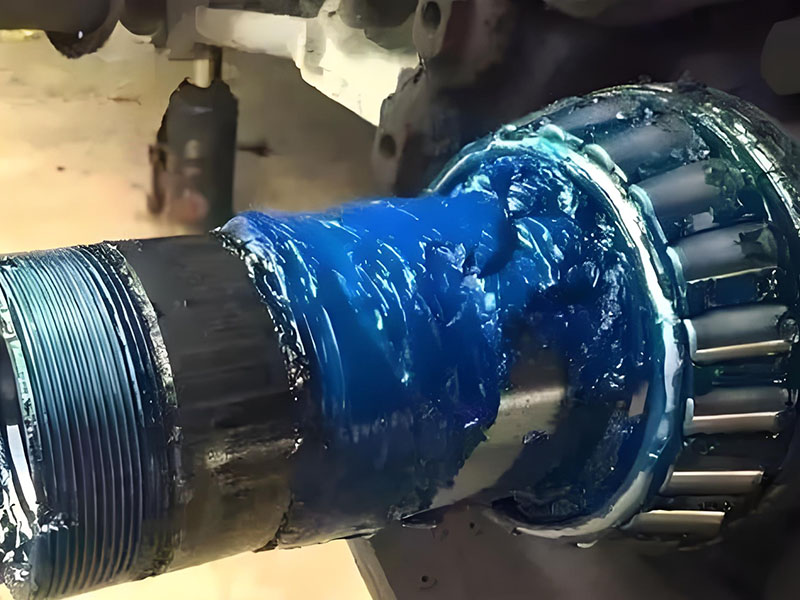
These trucks are often used in demanding environments. Frequent off-roading, driving through mud and water, or exposure to road salt in winter can compromise the hub’s seal. Once the seal is damaged, contaminants like water and dirt enter the bearing, rapidly accelerating wear and causing corrosion.
Design & Structural Considerations
Modern Dodge and RAM trucks use sealed hub unit bearings, which are pre-set and non-serviceable. While this design simplifies replacement, it means the entire unit must be replaced when worn. Additionally, these hubs often integrate the ABS (Anti-lock Braking System) sensor. A failing hub can cause false ABS activation or illuminate the warning light.
The Impact of Improper Service
A leading cause of premature wheel hub failure is incorrect installation. Using an impact wrench (wind gun) to tighten the axle nut is a common but critical mistake. This can shock-load the bearing’s internal components, causing microscopic damage that leads to early failure. Similarly, failing to clean the mounting surface on the steering knuckle can result in the new hub being installed at an angle, causing runout and rapid wear.
3. How to Diagnose Your Wheel Hub
Proper diagnosis is key to addressing the issue correctly. Here are the methods a professional mechanic uses.
The Road Test: Listening for Specific Patterns
A test drive is the first step. With the windows down, safely drive in a quiet area, listening for a humming or growling noise. Perform gentle left and right turns to load and unload each bearing. A consistent change in noise during a turn confirms a bearing issue.
The Lift Test: Checking for Wheel Bearing Play
With the vehicle safely lifted and supported, grasp the tire at the 12 and 6 o’clock positions. Attempt to rock the wheel in and out. Any noticeable play suggests a worn wheel bearing. Check the 3 and 9 o’clock positions as well; movement here could indicate tie rod issues, but combined with 12-6 play, it’s a strong indicator of a hub problem.
The Spin Test: Detecting Roughness and Resistance
With the wheel off the ground, spin it by hand. A healthy bearing will spin freely and quietly. A failing bearing will feel rough, “gritty,” or may exhibit uneven resistance. Listen for a grinding sound as it rotates.
The Sensor Check: Inspecting ABS Wiring and Functionality
Because the ABS sensor is integrated into the hub assembly on many models, inspect the wiring harness for any cuts, frays, or signs of being pinched. An intermittent ABS light, especially when going over bumps, can be a telltale sign of a failing hub unit with a faulty sensor.
4. Expert Guidelines for Wheel Hub Replacement
Once a wheel hub is confirmed to be bad, proper replacement is essential for safety and longevity.
The “Pair Replacement” Rule
While it’s not always mandatory, replacing wheel hubs in pairs (both fronts or both rears) is a best practice. A new hub on one side with an older, worn hub on the other can lead to uneven braking, handling inconsistencies, and a higher likelihood of the older unit failing soon after. Replacing them together ensures balanced performance and peace of mind.
Critical Service Procedures
- Precision Torque is Key: Using a calibrated torque wrench is non-negotiable. Both the large axle nut and the smaller hub mounting bolts have precise torque specifications from the manufacturer. Under-tightening can lead to play and failure; over-tightening can pre-load the bearing incorrectly and cause damage.
- Never Use an Impact Wrench on the Axle Nut: The hammering action of an impact wrench can internally damage the new bearing’s raceways and rolling elements before the vehicle even moves. Always use a torque wrench for final tightening, after the vehicle’s weight is on the ground.
- The Importance of a Clean Mating Surface: Before installing a new hub, meticulously clean the mounting surface on the steering knuckle or axle housing. Remove all rust, dirt, and old gasket material. A perfectly clean and flat surface ensures the hub mounts squarely, preventing runout and vibration.
Choosing the Right Replacement Part: Quality vs. Cost
The market is flooded with low-cost wheel hubs, but the true cost appears later in premature failure and repeat labor. For a vehicle as critical and heavy-duty as a Dodge/RAM truck, choosing a high-quality part is an investment in safety. You have two primary options: Original Equipment (OE) or a premium aftermarket brand.
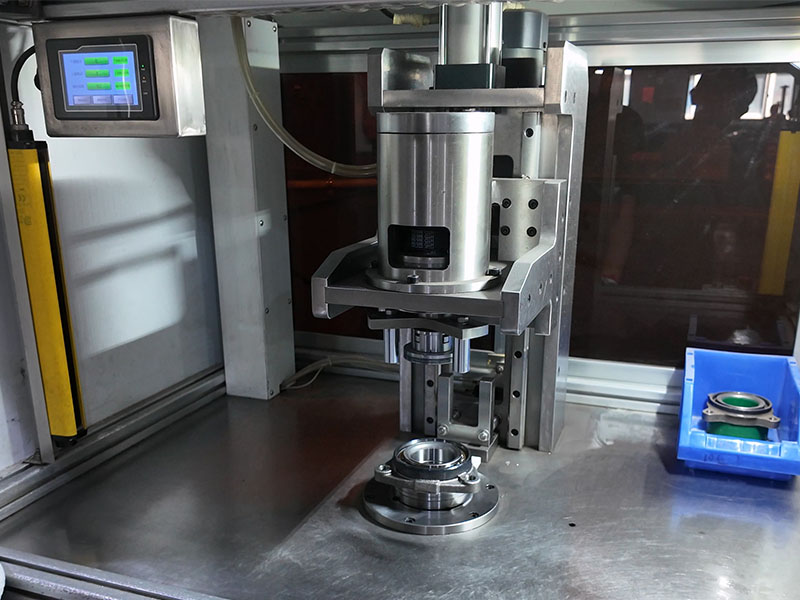
While OE parts are a reliable choice, many experienced mechanics turn to top-tier aftermarket manufacturers like DUHUI Bearing. As a specialized manufacturer, DUHUI Bearing focuses on producing wheel hub assemblies that not only meet but often exceed OE specifications. Our components use premium-grade steel, advanced sealing technology to keep contaminants out, and are manufactured with precise tolerances to ensure a perfect fit and long service life. When you choose a brand that specializes in bearing technology, you’re choosing proven expertise.
5. How to Extend the Life of Your Wheel Hubs
An ounce of prevention is worth a pound of cure. Here’s how to maximize the life of your wheel hubs:
- Regular Inspections: Make checking for wheel bearing play and unusual noise part of your routine maintenance, such as during oil changes or tire rotations.
- Post-Usage Care: After heavy use, like off-roading, deep water crossings, or extended towing, take a moment to wash down the wheel and hub area. This helps remove mud, salt, and other corrosive agents that can compromise the hub’s seal.
Conclusion
Your Dodge or RAM truck is a significant investment, and its wheel hubs are critical to its safe and reliable operation. From the initial hum to the eventual handling issues, recognizing the signs of failure early can prevent more extensive and dangerous problems. When it comes time for a repair, remember that proper diagnosis, strict adherence to installation procedures, and—most importantly—the choice of a quality component are what make a repair last.