Is your Jeep Wrangler making an unsettling squeaking noise when you accelerate? Do you feel a strange vibration, especially when turning? For Wrangler owners, these are classic signs that the universal joints (U-joints) in your drivetrain may be failing. As a critical link between your engine’s power and your wheels, a worn U-joint is more than just an annoyance—it’s a potential safety hazard that can leave you stranded on or off the trail. DUHUI will walk you through everything you need to know to identify, diagnose, fix, and prevent U-joint issues, ensuring your Jeep remains as reliable as it is adventurous.
1. Common Symptoms of Jeep Wrangler Universal Joint Failure
Early detection of U-joint failure can save you from costly repairs. Here are the most common symptoms to listen and feel for:
Abnormal Noises: This is often the first sign.
- Squeaking/Chirping: Often heard at low speeds or when starting from a stop. This usually indicates a dry, unlubricated bearing cap.
- Clunking/Ringing: A sharp metallic sound when shifting from Park to Drive or Reverse, or when abruptly applying the throttle. This suggests significant internal wear or looseness.
- Banging: A heavy, repetitive thumping noise, often under load or acceleration, can indicate a severely worn or about-to-fail joint.
Vibrations and Driveline Slack: A failing U-joint can cause the driveshaft to rotate unevenly.
- Vibration: You may feel a pronounced vibration in the seat or floorboard, which can intensify with speed.
- Shudder on Turns: A shuddering or jerking sensation, especially during slow, tight turns (like in a parking lot), is a classic symptom of a failing rear axle or front axle U-joint.
Physical Leaks: While the U-joint itself doesn’t hold fluid, a failing joint can cause excessive vibration that damages the output shaft seal on the transfer case or differential, leading to visible oil leaks around these components.
2. Root Causes of Jeep Wrangler Universal Joint Failure
Jeep Wranglers are built for tough conditions, but certain factors can dramatically accelerate U-joint wear.
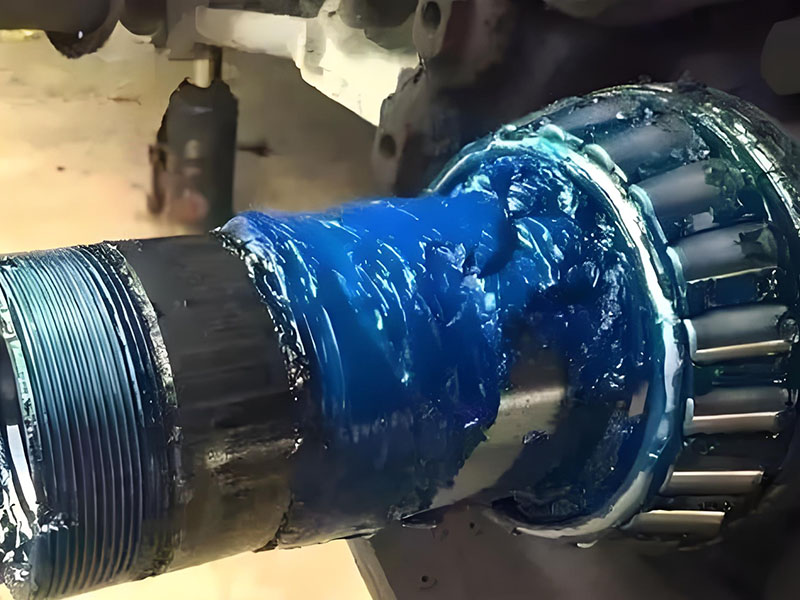
- Lack of Maintenance: Many factory and aftermarket U-joints have grease fittings (zerks). Neglecting to periodically grease them, especially after water crossings or dusty trails, is a primary cause of premature failure.
- Extreme Operating Angles from Lifts: Lifting your Wrangler is popular, but it changes the driveline geometry. A significant lift increases the operating angle of the driveshaft U-joints. When these angles become too steep, the joints bind, creating excessive stress and heat that leads to rapid wear and failure.
- High Torque Loads from Off-Roading: Activities like rock crawling, mudding, or heavy towing subject the U-joints to immense, shock-loading torque. This repetitive high stress can fatigue the metal, causing the bearings to crush or the cross (spider) to crack over time.
- Simple Wear and Tear: Even with perfect maintenance, U-joints are consumable parts. With high mileage, the needle bearings inside the caps will eventually wear down, creating the play that leads to the symptoms above.
3. How to Diagnose Jeep Wrangler Universal Joint Failure
Before you start buying parts, it’s crucial to confirm which U-joint is the culprit. Safety first: Always chock your wheels and use jack stands.
1.Visual Inspection: Safely crawl under your Jeep. Look at the U-joints on the front and rear driveshafts, as well as the front axle shafts (near the wheels). Check for rust, missing bearing caps, or signs that the joint has been spinning in the yoke (which will appear polished or worn).
2.Manual Test: This is the most effective method.
- Grasp the driveshaft firmly and try to rotate it and move it side-to-side. There should be no perceptible play (movement) in the U-joints. Any clicking or clunking movement confirms a worn joint.
- For a more precise test, use a large screwdriver or pry bar. Place it between the U-joint and the yoke, and gently pry. Any movement indicates the joint is loose and needs replacement.
3.Road Test Replication: If the joint feels tight on the lift, take the vehicle for a drive. Try to replicate the specific sounds or vibrations you’ve noticed. Note the conditions (speed, turning, acceleration) to help isolate the location.
4.Solutions & Replacement of Jeep Wrangler Universal Joint Failure
Once diagnosed, prompt replacement is key. Driving with a bad U-joint can damage the driveshaft yokes or even cause the driveshaft to detach at high speed.
1.The Golden Rule: Replace at First Sign of Looseness. Do not wait. A $30 part can prevent a $500 repair.
2.Choosing the Right Parts: OEM vs. Upgraded.
- Standard Replacement: Suitable for stock Wranglers used mainly for daily driving.
- Upgraded/Heavy-Duty U-Joints: We strongly recommend heavy-duty or “greasable” upgraded U-joints for any Wrangler used for off-roading or that has been lifted. These are manufactured from stronger alloys and are designed to handle higher torque loads and extreme angles.
3.Addressing the Root Cause: Driveline Geometry. Replacing a U-joint in a lifted Wrangler without correcting the driveline angle is a temporary fix. For optimal longevity, you must address the root cause. This often involves installing driveshaft angle correction shims on the axle or replacing the factory driveshaft with an aftermarket dual (CV) driveshaft designed for lifted applications.
5. Preventive Measures of Jeep Wrangler Universal Joint Failure
With the right care, you can maximize the lifespan of your new U-joints.
- Establish a Maintenance Schedule: If your U-joints have grease fittings, make greasing them a routine part of your oil change (e.g., every 5,000 miles) and always after heavy water or mud exposure.
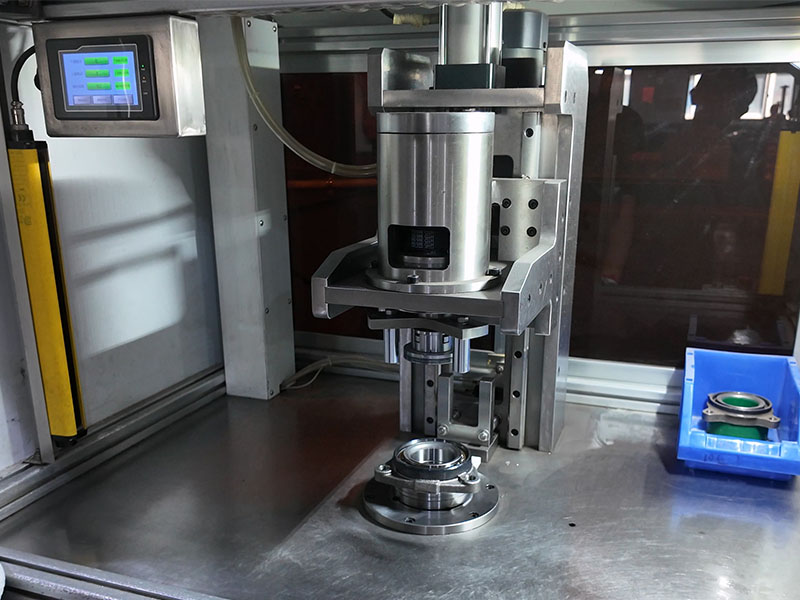
- Insist on Proper Installation: U-joint replacement requires precision. Never use a hammer. The correct method is to press the old joints out and new ones using a C-clamp style press or a hydraulic press. This prevents damaging the bearing caps and the new needle bearings.
- Keep It Clean: After off-road trips, especially in mud, sand, or snow, thoroughly wash the underside of your Jeep. Removing abrasive materials helps protect the U-joint seals and prevents premature wear.
Conclusion
Universal joints are small components that play a monumental role in your Jeep Wrangler’s reliability and safety. By learning to recognize the early symptoms of failure, understanding the causes, and performing regular inspections, you can prevent a minor issue from becoming a trail-ending catastrophe. When the time comes for replacement, choosing a high-quality part is not just a repair—it’s an investment in your vehicle’s future performance.