As a Chevy Silverado owner, you rely on your truck for everything from daily commuting to heavy towing. So when you hear an odd squeak, feel a clunk, or experience a mysterious vibration, it’s natural to be concerned. Often, the culprit lies within your drivetrain: the humble but critical universal joint, or U-joint. How can you tell if your Silverado’s U-joints are failing, and what should you do about it? DUHUI will walk you through the classic signs of failure, the root causes, and the most effective repair and prevention strategies to get your truck back on the road safely.
The Role of the U-Joint in Your Chevy Silverado’s Drivetrain
The U-joint is a fundamental component of your Silverado’s driveshaft system. Its primary job is to transmit engine power from the transmission to the axles while accommodating the constant vertical movement of the suspension. Whether you have a 2WD or 4WD model, these cross-shaped bearings allow the driveshaft to flex and rotate at varying angles without binding. When a U-joint fails, it compromises this entire power transfer process, leading to performance issues and potential safety risks.
4 Symptoms of a Failing U-Joint in a Chevy Silverado
Ignoring the early warning signs of a bad U-joint can lead to more extensive and costly damage. Here are the most common symptoms to listen and feel for:
- Squeaking Noise: One of the earliest indicators is a high-pitched squeaking or chirping sound, especially noticeable when driving at low speeds or going in reverse. This noise is caused by the bearings inside the joint wearing out and losing their lubrication.
- Clunking When Shifting: A pronounced “clunk” or metallic knock when shifting from Park to Drive or Drive to Reverse is a classic sign. This indicates excessive play in the U-joint, allowing the driveshaft to “slap” against its connections.
- Acceleration Shudder/Vibration: A vibration that feels like you’re driving over rumble strips—particularly during acceleration from a stop—is a hallmark of a failing U-joint. As the joint binds up due to worn bearings, it creates a shudder that is transmitted through the vehicle’s chassis.
- Complete Loss of Power: In a worst-case scenario, a completely failed U-joint can break apart. This severs the connection between the transmission and the wheels, resulting in a sudden, complete loss of power to the drivetrain. While rare, this is a serious safety hazard that requires immediate towing.
Why Do Chevy Silverado U-Joints Fail? (Common Root Causes)
Understanding why U-joints fail can help you prevent future issues. While normal wear and tear is a factor, several specific conditions accelerate the process in heavy-duty trucks like the Silverado.
- Steep Operating Angles: Lifting your Silverado or installing a suspension kit increases the angle at which the driveshaft operates. Steeper angles put significantly more stress on the U-joints, causing them to wear out much faster than in a stock configuration.
- Heavy Towing & Payload: The Silverado is built for work, but consistently towing near its maximum capacity places immense, continuous strain on the drivetrain, including the U-joints. This heat and stress accelerate bearing wear.
- Harsh Driving Conditions: Frequent off-roading, driving through mud, sand, or deep water can introduce abrasive contaminants into the U-joint’s bearings, or wash away vital grease, leading to premature failure.
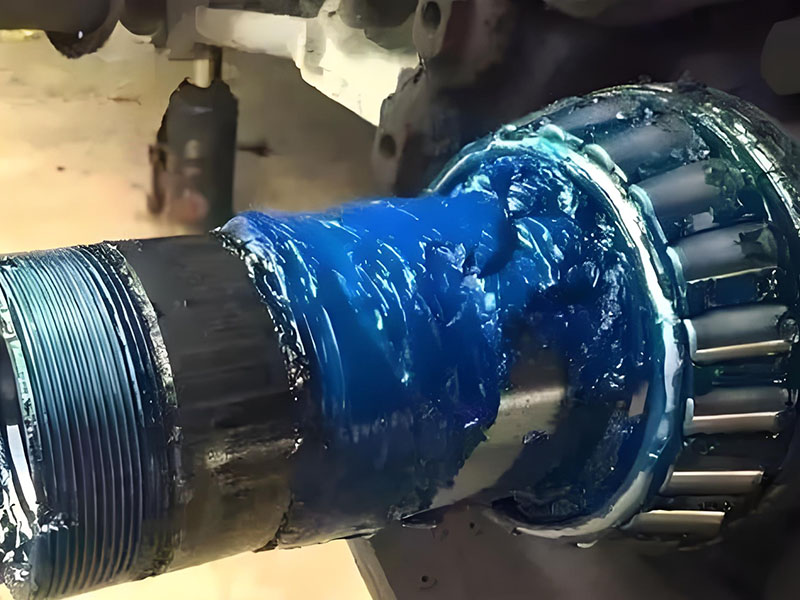
- Lack of Regular Lubrication: Many factory U-joints are “sealed” and not serviceable. However, if your aftermarket or replacement U-joint has a grease fitting (zerk fitting), neglecting to lubricate it periodically is a guaranteed way to shorten its lifespan.
How to Diagnose and Fix U-Joint Problems on a Silverado
Diagnosis
Accurate diagnosis is key to a proper repair. Here’s a two-step approach:
- Road Test: Pay attention to the symptoms listed above. Note when the noise or vibration occurs—under acceleration, deceleration, or coasting—to help pinpoint the issue.
- Physical Inspection: With the vehicle safely secured on jack stands and the parking brake engaged, crawl underneath. Grip the driveshaft firmly and try to rotate it back and forth. Excessive rotational play (more than a few millimeters) or any visible up-and-down movement in the U-joint itself indicates a problem. Also, look for rust-colored dust around the bearing caps, which is a sign of internal wear.
Repair Options
Once a failing U-joint is confirmed, you have two primary repair paths:
- Option 1: Replacing the U-Joint Only: This is the most common and cost-effective solution. A skilled mechanic (or a confident DIYer) can remove the driveshaft and press out the old U-joint. For a reliable and long-lasting repair, it’s crucial to use a high-quality replacement from a trusted manufacturer. Components must meet or exceed OEM specifications to handle the Silverado’s demanding torque and towing capacity.
- Option 2: Replacing the Driveshaft Assembly: In some cases, particularly if the driveshaft itself is damaged, the U-joints are staked in (non-serviceable), or the vehicle has high mileage, it may be more practical to replace the entire driveshaft assembly with a new or remanufactured unit that comes with new U-joints pre-installed.
Proactive Maintenance: Preventing Premature U-Joint Failure
The best way to avoid unexpected drivetrain repairs is through proactive maintenance. Incorporating these checks into your regular vehicle care routine can significantly extend the life of your U-joints.
- Regular Inspections for Play & Seals: During oil changes or tire rotations, take a moment to inspect the driveshaft and U-joints. Check for any rust-colored dust or signs of seal failure around the bearing caps. A quick check for play can catch a problem before it becomes a failure.
- The Importance of Greasing (Especially After Water Exposure): If your Silverado is equipped with U-joints that have grease fittings, make it a habit to lubricate them during every oil change. This is absolutely critical if you frequently drive through water or mud. Water can displace the grease in the joint, and a few pumps of fresh, high-quality grease will flush out contaminants and ensure long-term protection.
Conclusion
The universal joints in your Chevy Silverado are small but mighty components that are essential for reliable power delivery. Recognizing the early symptoms of failure—squeaking, clunking, or vibration—and understanding the common causes like heavy towing or steep operating angles can save you from being stranded. When it comes time for a repair, opting for a high-quality replacement part is an investment in your truck’s longevity and your peace of mind.