Is your Ford Explorer starting to sound less like a capable SUV and more like a rickety old wagon? You might hear a constant grinding or humming noise that changes with your speed, or perhaps you feel an unsettling vibration in the steering wheel. These are not just minor annoyances; they are often the first clear signs of a failing wheel hub assembly. DUHUI will walk you through the most common Ford Explorer wheel hub problems, helping you accurately diagnose the issue, understand why it happens, and explore the best path to a safe and lasting repair. A properly functioning wheel hub is critical for your safety and your vehicle’s handling.
1. Five Key Symptoms of a Failing Wheel Hub in a Ford Explorer
Recognizing the symptoms early can prevent further damage and ensure your safety. Here are the most common indicators that your Ford Explorer’s wheel hub needs attention.
1.1 A Persistent Grinding or Humming Noise
This is arguably the most classic symptom. The noise, often described as a grinding, growling, or humming sound, will typically increase in volume as your vehicle’s speed increases. It may seem to come from one specific corner of the car. Unlike engine noise, this sound is tied directly to wheel rotation and often changes pitch when you swerve slightly left or right.
1.2 Clicking, Popping, or Clunking Noise When Turning
While a constant hum suggests a bearing issue, a clicking or popping sound, especially during sharp turns, can also point to a worn wheel hub. This is particularly true for front-wheel-drive or all-wheel-drive Explorers, where the hub assembly is integrated with the CV joint. A loud clunk can also indicate excessive play in the wheel bearing.
1.3 Vibration in the Steering Wheel or Seat
A worn wheel bearing can allow the wheel to wobble slightly, transferring vibrations through the steering column and into the cabin. You might feel this as a shaking in the steering wheel (often from the front hubs) or a rumbling sensation in your seat (often from the rear hubs). This vibration can be mistaken for unbalanced tires, so it’s crucial to distinguish the cause.
1.4 Vehicle Pulling to One Side While Driving
If your Explorer feels like it’s constantly drifting to one side even when you’re driving on a straight, flat road, a faulty wheel hub could be the culprit. The excessive play in the bearing can affect wheel alignment and cause the vehicle to pull.
1.5 Uneven Wear on Brake Pads or Tires
A failing wheel hub allows the wheel to move in ways it shouldn’t. This irregular movement can cause your brake calipers to apply uneven pressure, leading to premature brake pad wear. Similarly, the abnormal wheel motion can cause scalloping or uneven wear patterns on your tires, drastically shortening their lifespan.
2. The Root Causes of Wheel Hub Problems in Ford Explorers
Understanding why these problems occur can help you choose the right repair strategy and prevent future issues. Ford Explorers, given their weight and typical usage, are particularly susceptible to these factors.
2.1 Physical Impact from Harsh Road Conditions
Hitting potholes, curbs, or other road debris at speed sends a massive shock through your vehicle’s suspension system. The wheel hub bearing, which is designed for rotational force, is highly vulnerable to these lateral impacts. For Explorer owners who occasionally venture off-road, this risk is even greater.
2.2 Corrosion from Water, Dirt, and Road Salt
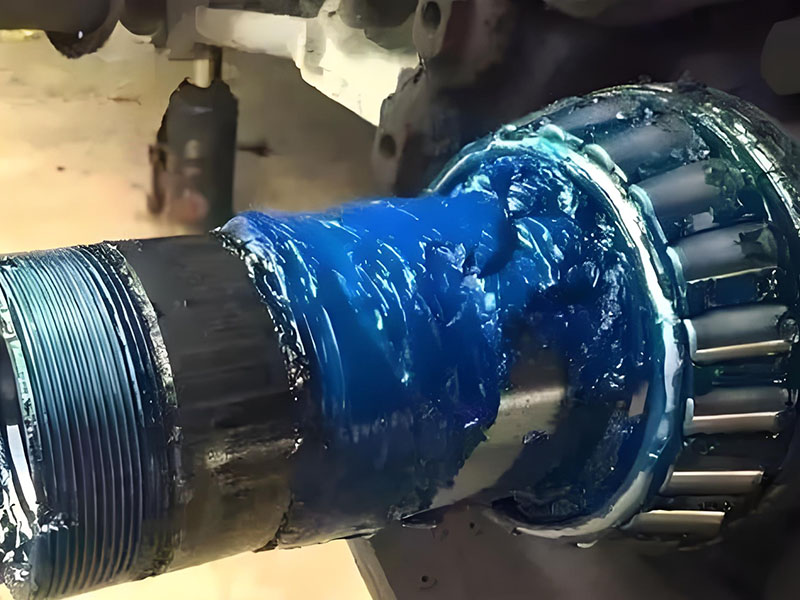
The wheel hub assembly is constantly exposed to the elements. Over time, water, mud, and especially road salt used in winter can breach the bearing’s seals. This contamination washes away the internal grease and leads to corrosion and pitting of the bearing races, accelerating failure.
2.3 Misalignment and Suspension Issues
A vehicle that is out of alignment or has worn suspension components (like ball joints or tie rod ends) places constant, uneven stress on the wheel hub bearing. This misalignment forces the bearing to operate under abnormal loads, causing it to wear out prematurely. This is a common issue on older Explorers where the suspension system may not be in top condition.
2.4 Normal Wear from High Mileage and Load
Like any mechanical component, wheel hub bearings have a finite lifespan. Ford Explorers are heavy vehicles, often used for towing or carrying full passenger loads. This constant stress, combined with high mileage, will eventually lead to normal fatigue and wear of the bearing’s internal components.
3. How to Diagnose and Repair Your Ford Explorer’s Wheel Hub
Once you’ve identified the symptoms, the next step is to confirm the diagnosis and plan the repair.
3.1 Simple DIY Checks
If you have a jack and jack stands, you can perform a basic check:
- Wheel Play Test: Safely lift the wheel you suspect is problematic. Grab the tire at the 12 and 6 o’clock positions and try to rock it. Any noticeable clunking or “play” is a strong indicator of a worn wheel hub. Do the same at the 3 and 9 o’clock positions to check other steering components.
- Visual Inspection: While the wheel is off, inspect the ABS sensor wire. If it’s frayed, cut, or dangling, it may have been damaged by a failing hub.
3.2 Professional Diagnostic Methods
For a definitive diagnosis, professional mechanics often use:
- Diagnostic Scanner: They can plug into your Explorer’s OBD-II port and monitor the wheel speed sensor data from each hub. Inconsistent or erratic readings can pinpoint a failing sensor integrated into the hub.
- Road Test: A mechanic will take the vehicle for a drive to listen for the noise and perform specific maneuvers (like swerving left and right) to load and unload the bearings, confirming which one is the source.
3.3 Key Points for Repair and Replacement
When it comes to replacing a wheel hub on your Ford Explorer, the quality of the parts and the repair process are paramount for safety and longevity.
- Replace in Pairs: It’s a best practice to replace wheel hubs in pairs (both fronts or both rears). This maintains balanced handling and braking performance, ensuring one new hub isn’t working against an old, worn one.
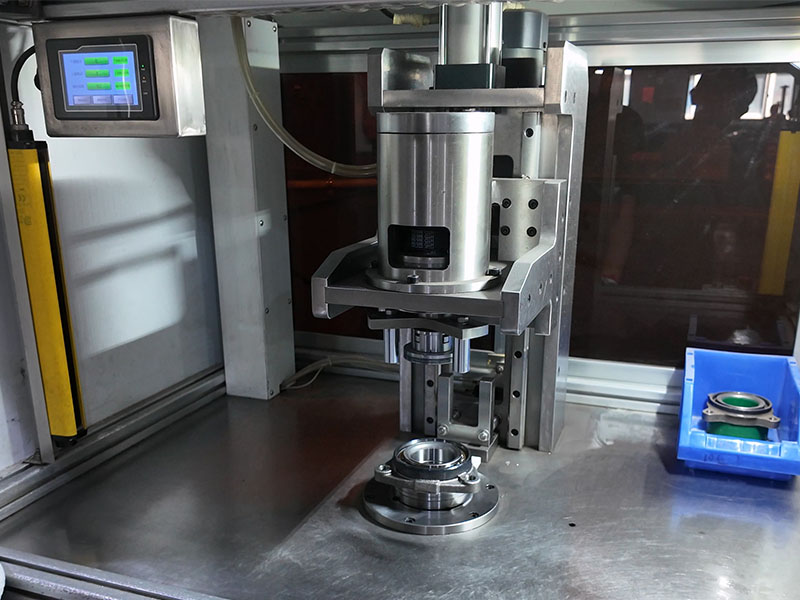
- Choose Quality Parts: The wheel hub is a critical safety component. Using low-quality, “budget” bearings is a false economy; they often fail quickly, putting you back at square one. Selecting a high-quality, OE-match or better component ensures proper fit, reliable performance, and long service life. As a manufacturer focused on precision engineering, DUHUI Bearing understands the exacting standards required for vehicles like the Ford Explorer.
4. Proactive Maintenance: Extending the Life of Your Wheel Hubs
Preventing problems is always better than fixing them. Here are a few simple habits that can help extend the life of your Ford Explorer’s wheel hubs:
- Listen and Feel: Make it a habit to listen for new noises and feel for vibrations. Early detection is key.
- Drive Mindfully: Avoid aggressive driving over potholes, speed bumps, and curbs. When possible, slow down.
- Suspension Maintenance: During routine maintenance, have your mechanic inspect the entire suspension system, including ball joints, tie rods, and the axle nut torque.
- Act Early: If you notice a symptom, don’t delay. A small issue with a wheel hub can lead to uneven tire wear, brake problems, and even a dangerous wheel separation if completely ignored.
Conclusion
Your Ford Explorer’s wheel hub assemblies are more than just simple components; they are the critical link between your vehicle and the road, supporting your entire vehicle’s weight while ensuring smooth and safe steering. From a subtle humming noise to a significant vibration, recognizing these common problems early is the first step toward a solution. Accurate diagnosis, combined with a commitment to using high-quality replacement parts, is the only way to restore your vehicle’s safety, performance, and peace of mind.