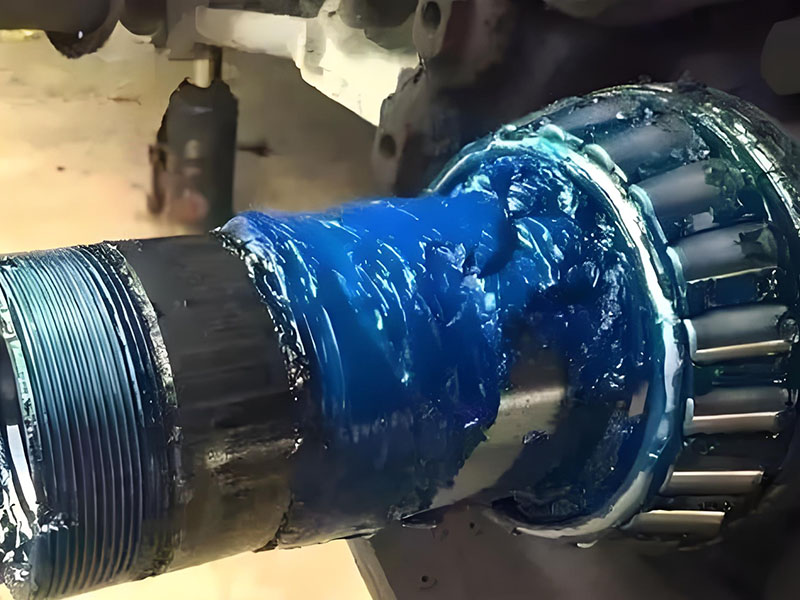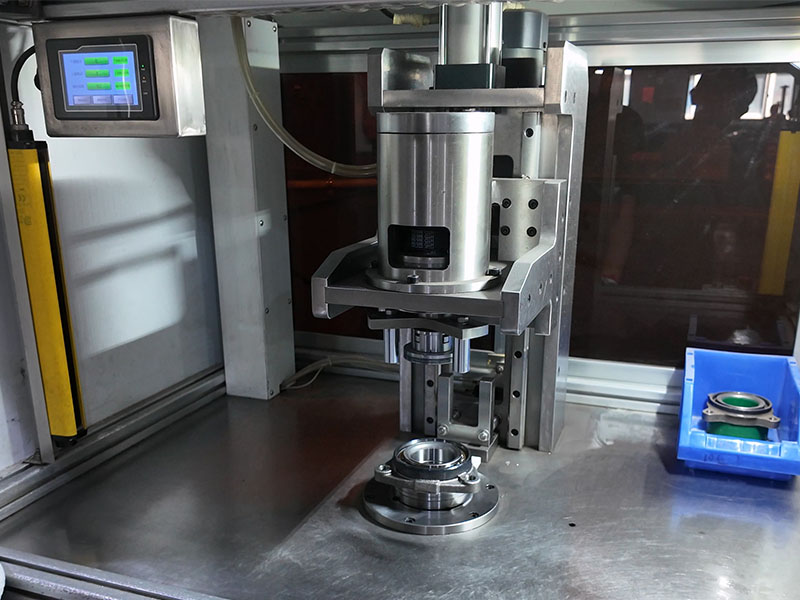
Have you ever been told your car needs a new “wheel bearing,” only to hear the mechanic later refer to it as a “hub bearing”? You’re not alone. For many vehicle owners and even some DIY enthusiasts, the terms “wheel bearing” and “hub bearing” are often used interchangeably, leading to a cloud of confusion. However, while they serve the same fundamental purpose—allowing your wheels to spin smoothly—they are distinctly different components.
At DUHUI Bearing, a professional automotive wheel hub bearing manufacturer, we specialize in these critical safety components. Getting this distinction right is crucial for proper maintenance, cost management, and, most importantly, your vehicle’s safety. In this article, we’ll break down exactly what wheel bearings and hub bearings are, explore their differences, and explain why those differences matter to you.
What is a Wheel Bearing?
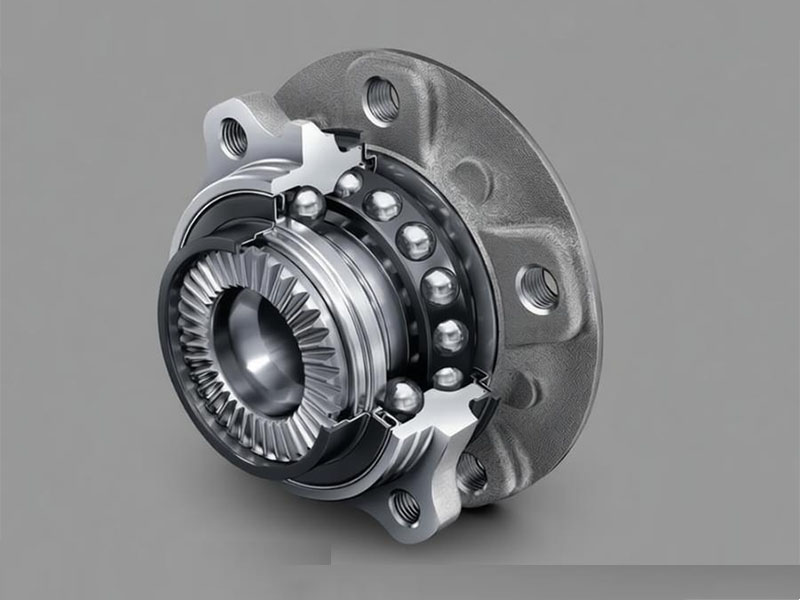
In its traditional sense, a wheel bearing is a precision-engineered component—typically a set of tapered roller bearings or ball bearings—housed within a wheel hub. Its core function is to support the vehicle’s weight and allow the wheel and tire to rotate with minimal friction.
- Structural Characteristics: These are usually independent components. They consist of inner and outer races, rolling elements (balls or rollers), and a cage. During installation, this type of bearing must be pressed into the steering knuckle or spindle using a hydraulic press. It is then secured in place with a snap ring, retaining nut, or locknut. The installation process is highly technical, as proper “preload” (the precise amount of pressure applied) is critical for longevity and safety.
- Common Applications: You’ll typically find press-in wheel bearings on older vehicle models, many rear-wheel-drive vehicles (like trucks and vans), and heavy-duty commercial vehicles. They are also commonly used on the non-driven wheels of some vehicles.
What is a Hub Bearing (Hub Assembly)?
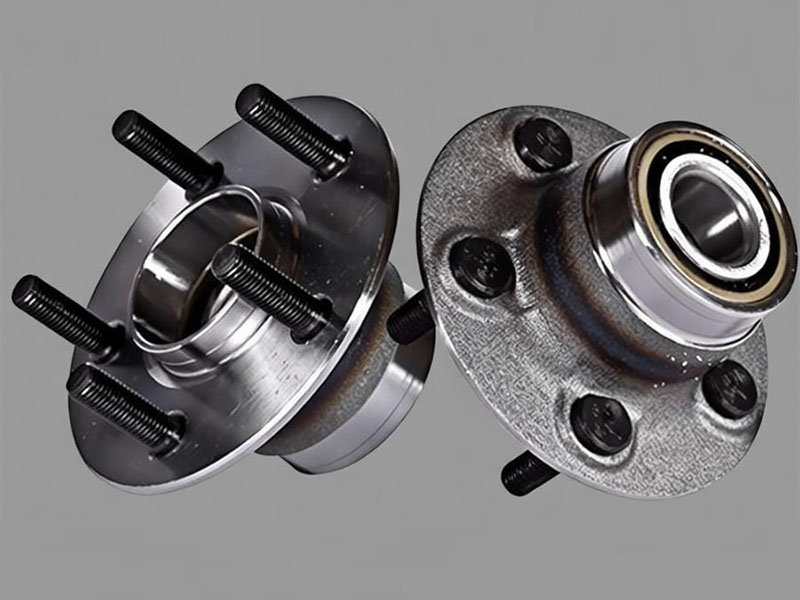
A hub bearing, more accurately termed a wheel hub assembly, represents the evolution of bearing technology. It’s a complete, pre-assembled unit designed for modern, modular vehicle manufacturing.
- Structural Characteristics: This is an integrated unit. It combines the wheel hub, the bearing itself, a flange for mounting the wheel, and often the anti-lock braking system (ABS) sensor, all into a single, pre-packaged component. The assembly is manufactured to exact tolerances and is ready to install out of the box. Instead of being pressed in, it is bolted directly to the steering knuckle using 3 or 4 bolts, making it a “bolt-on” component.
- Common Applications: Hub bearing assemblies are the standard for the vast majority of modern front-wheel-drive vehicles, SUVs, and light trucks. In many contemporary cars, you will find hub assemblies on both the front and rear axles.
The Key Differences Between Wheel Bearings and Hub Bearings
To truly understand the distinction, let’s compare them side-by-side:
| Feature | Traditional Wheel Bearing | Hub Bearing (Wheel Hub Assembly) |
| Integration | A single component (the bearing itself). | A fully integrated assembly (hub, bearing, flange, ABS sensor). |
| Installation | Complex; requires a hydraulic press to install. | Simple; bolt-on design requiring only basic hand tools. |
| Repair Process | Involves removing the knuckle, pressing out old bearing, pressing in new one. | Direct replacement of the entire unit; no pressing required. |
| Skill Requirement | High level of expertise and special tools needed for correct preload. | Lower; primarily mechanical, with less risk of improper installation. |
| Cost Structure | Lower part cost, but higher labor cost. | Higher part cost, but significantly lower labor cost. |
| Replacement | Often replaced individually. | Replaced as a complete unit. |
Why These Differences Matter for Your Vehicle
Understanding these differences is more than just technical trivia; it has real-world implications for your vehicle and your wallet.
- Impact on Maintenance & Repair: For a mechanic, the difference is night and day. A pressed-in bearing job is more time-consuming and requires specialized equipment. A hub assembly replacement is straightforward, allowing for faster turnaround times and reducing the margin for installation errors.
- Impact on Safety: Safety is paramount. Incorrect installation of a press-in bearing—such as using too much or too little force—can damage the bearing internally, leading to premature failure, wheel wobble, or even a wheel detachment event. Hub assemblies, by virtue of their “bolt-on” design, eliminate this critical installation risk. They are engineered to precise specifications, ensuring a safe, consistent fit every time.
- Impact on Cost and Time: While a hub assembly might have a higher upfront cost, the total repair bill is often comparable or even lower than a press-in bearing replacement due to the drastically reduced labor hours. For the vehicle owner, this means less time in the shop and a more predictable repair outcome.
- Impact on Vehicle Design: Automakers have largely moved to hub assemblies to streamline assembly line production, reduce overall vehicle weight, and improve reliability. The modular design allows for easier integration of advanced features like ABS and electronic stability control.
Choosing the Right Solution: Why Quality Matters
At DUHUI Bearing, we understand the intricacies of both designs. As a manufacturer, we know that whether you’re dealing with a traditional press-in bearing or a modern hub assembly, the true measure of quality lies beneath the surface. It’s about the grade of steel used, the precision of the heat treatment, the accuracy of the grinding process, and the effectiveness of the sealing system.
When it comes time for a replacement, opting for a low-quality part—whether it’s a bearing or an assembly—is a false economy. Inferior components can lead to:
- Excessive noise (grinding or rumbling).
- Vibration in the steering wheel.
- Premature wear, leading to repeated repairs.
- Compromised vehicle handling and safety.
Conclusion
So, are wheel bearings and hub bearings the same? Not exactly. While “wheel bearing” is a general term for the component that enables wheel rotation, a “hub bearing” (or wheel hub assembly) is a modern, integrated evolution of that concept. Understanding this distinction is key to making informed decisions about your vehicle’s maintenance, budgeting for repairs, and ensuring its safety and performance.