In the world of precision machinery, the difference between a smoothly operating system and a constant maintenance headache often comes down to a single, critical decision: the selection and design of your linear bearing system. As machine speeds increase and tolerance windows narrow, linear bearings—the components that facilitate and guide straight-line motion—have become the linchpin of performance, accuracy, and longevity.
This complete guide is designed to help you navigate the complexities of linear bearing technology. Whether you are designing a new system or optimizing an existing one, understanding the fundamentals, design factors, and best practices is essential. Simply matching a shaft diameter to a bearing bore is no longer sufficient. Engineers and procurement specialists must navigate a complex landscape of load dynamics, environmental factors, and system integration to avoid premature failure, costly downtime, and compromised product quality.
1. Understanding Linear Bearing Fundamentals
Before diving into design complexities, it’s essential to establish a solid understanding of the core technology.
1.1 What is Linear Bearing?
A linear bearing is a component designed to provide free, linear motion in one direction. Its primary functions are to guide a moving part, support its load, and reduce friction to a minimum, ensuring smooth and accurate movement.
1.2 How Linear Bearings Work
All linear bearings work on a fundamental principle: preventing direct contact between moving surfaces.
- Sliding Bearings achieve this through a low-friction interface, often using materials like bronze, PTFE, or engineered plastics between the moving parts.
- Rolling Element Bearings (also known as anti-friction bearings) use balls or rollers that recirculate or roll between the moving carriage and the guide rail, converting sliding friction into lower-resistance rolling friction.
1.3 Main Types of Linear Bearings
Choosing the right type is the first major design decision.
Sliding Contact (Plain) Bearings: These include simple bushings and dovetail slides. They are excellent for high-load, low-speed applications, and offer excellent shock absorption. However, they inherently have higher friction than rolling element alternatives.
Rolling Contact (Anti-friction) Bearings: This is the dominant category for modern automation.
- Linear Ball Bearings: Commonly used with hardened steel shafts. They are available in standard, adjustable, and open configurations, and can be housed in pillow blocks or flanged units for easy mounting.
- Linear Roller Bearings: Utilizing cylindrical or needle rollers, these bearings offer significantly higher load capacity and rigidity than ball bearings for the same size, making them ideal for heavy-duty machining.
- Profile Rail Guides: The industry standard for high-precision applications. They consist of a rail and a carriage with recirculating balls or rollers, offering high rigidity, accuracy, and moment load capacity.
2. Diverse Applications of Linear Bearings
The versatility of linear bearings means they are found in nearly every sector of modern industry. Understanding these applications helps contextualize design requirements.
- Industrial Automation & Robotics: Here, the demands are for high speed, rapid acceleration, and millions of cycles with consistent precision.
- Machine Tools & CNC: Applications like milling and turning centers require maximum rigidity and high accuracy grades to handle heavy cutting forces and maintain tight tolerances.
- Medical Equipment: Devices such as MRI scanners, surgical robots, and patient positioning systems prioritize smooth, silent operation, cleanliness, and often, maintenance-free solutions.
- Aerospace & Automotive: From aircraft seat actuators to assembly line transfer systems, these sectors demand lightweight components, absolute reliability, and the ability to perform in extreme temperatures or contaminated environments.
Over the years, DUHUI has supplied robust and reliable linear motion components to support original equipment manufacturers (OEMs) across all these demanding fields.
3. Critical Factors Influencing Linear Bearing Design
With a grasp of the fundamentals and applications, we can now focus on the five critical factors that will dictate your design’s success.
- Load Characteristics: You must analyze not just the weight, but the direction of the load (radial, axial, or a combination creating moment loads). Consider if the load is constant, varies, or includes shock loads.
- Speed and Acceleration: High speeds generate heat and can outrun the bearing’s lubrication film. High acceleration rates create forces that must be accounted for in load calculations.
- Precision and Rigidity: Applications dictate the required accuracy. ISO grades classify precision. Preload—an internal force that eliminates clearance—is essential for achieving high rigidity and accuracy by reducing deflection under load.
- Environmental Conditions: This is a primary cause of failure. Dust, metal chips, moisture, and chemicals can rapidly degrade performance. The design must account for these threats.
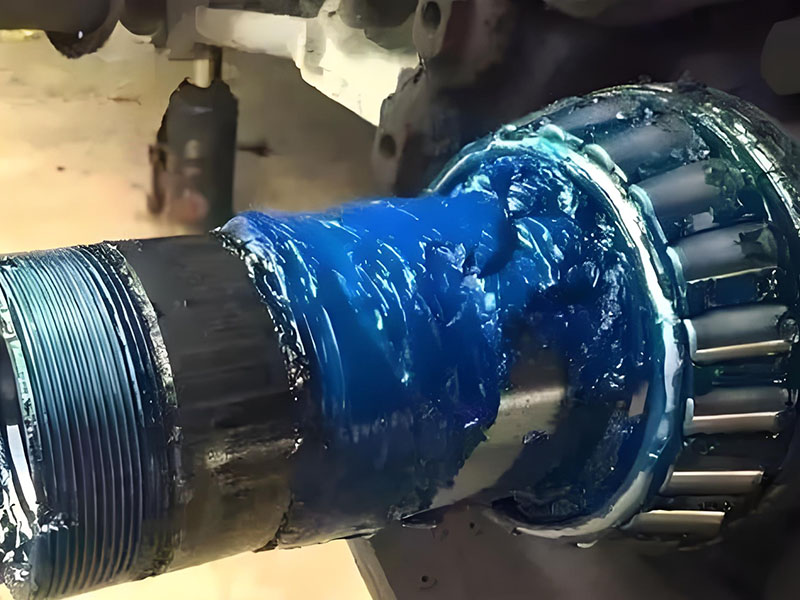
- Lubrication Strategy: The lifeblood of any bearing. Decide on grease (simpler, longer intervals) or oil (better for cooling, high speed). The lubrication plan must ensure a continuous film separates the rolling/sliding elements.
- Lifecycle and Maintenance Expectations: Define the required service life (L10 life) and the acceptable level of maintenance. Does the application require centralized lubrication or sealed-for-life units?
4. Key Components and Design Considerations
The interaction between system components is where theory meets reality.
- The Guide Rail: The foundation of the system. Its material (typically bearing steel for hardness, stainless for corrosion resistance), straightness, and mounting surface directly impact overall system accuracy.
- The Bearing Carriage/Block: The choice here is often between ball and roller elements. Balls offer lower friction and are suitable for higher speeds. Rollers provide greater load capacity and stiffness due to their larger contact area, a critical trade-off in many designs.
- Sealing Solutions: Effective seals are your primary defense against contamination. Options range from basic metal scrapers for coarse debris to flexible lip seals that wipe the rail clean, and labyrinth seals that prevent ingress without adding friction.
- System Integration: Alignment is Paramount. A perfectly selected bearing will fail quickly if the rails are misaligned. Misalignment induces enormous internal stresses, leading to premature wear, increased friction, and eventual seizure. Precision mounting and careful alignment procedures are non-negotiable.
5. Best Practices for Optimal Linear Bearing Design
Drawing from decades of engineering experience, here are actionable best practices to ensure your linear motion system excels.
- Prioritize Correct Alignment: Invest time and precision in the initial setup. Use precision-ground mounting surfaces and follow manufacturer-recommended alignment procedures.
- Select Materials Wisely: For cleanroom or food-grade applications, opt for stainless steel bearings with special lubricants. For standard industrial environments, high-carbon chromium steel offers the best combination of strength and wear resistance.
- Never Compromise on Sealing in Harsh Environments: If your application involves weld spatter, wood dust, or abrasive particles, choose the most robust sealing package available. It is far cheaper than frequent bearing replacement.
- Plan for Proper Lubrication: Design accessibility into the system. For hard-to-reach areas or high-usage machines, incorporate provisions for an automated lubrication system to ensure consistent, optimal lubrication.
- Partner with an Experienced Manufacturer: When standard catalogs don’t meet your unique needs, rely on a partner with engineering depth. DUHUI Bearing can provide customized solutions, from modified seals to entirely custom bearing designs, tailored to your specific application.
6. Conclusion: Your Partner in Precision Motion
Mastering the factors that influence linear bearing design—from load analysis and environmental protection to material selection and system alignment—is the key to unlocking superior machine performance, maximizing uptime, and reducing total cost of ownership. We hope this complete guide has provided you with the knowledge needed to make informed decisions for your next project.
Whether you need standard components or custom-engineered solutions, contact DUHUI Bearing today, we are ready to provide the technical support and customized solutions your project demands