In the world of mechanical power transmission, controlling the direction of motion is as crucial as generating it. This is where the one-way bearing, also known as an overrunning clutch or freewheel bearing, plays an indispensable role. Its function is elegantly simple: it allows a shaft to rotate freely in one direction but instantly locks to transmit torque when rotation is attempted in the opposite direction. This seemingly simple mechanism is vital for countless applications, from the starter motor in your.
What is a One-Way Bearing?
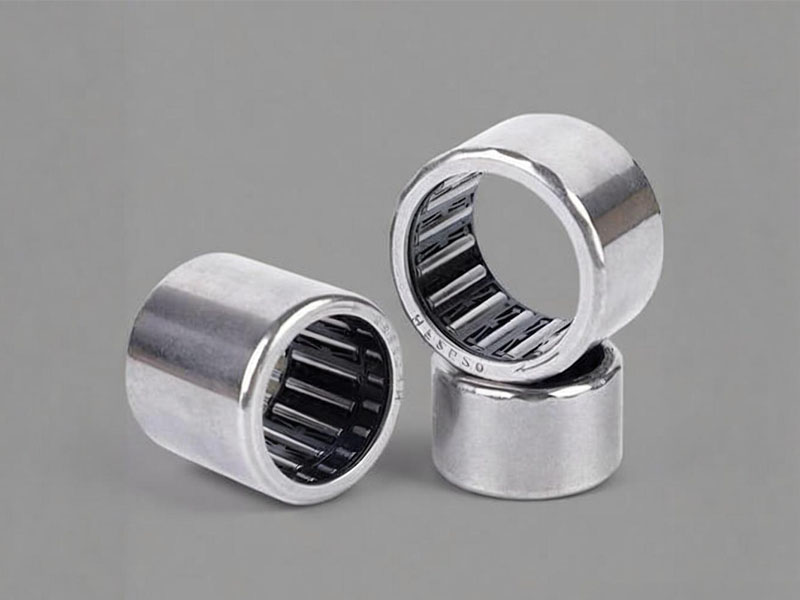
A one-way bearing is a mechanical device that acts as an automatic clutch. It is designed to transfer torque or lock in one rotational direction while remaining disengaged, or “freewheeling,” in the other.
Core Components and Design
The fundamental design of a one-way bearing is built upon a few key components:
- Inner and Outer Races: These are the primary rings, with the inner race typically connected to a shaft and the outer race to a housing.
- Rolling Elements: Unlike standard bearings that use symmetrical balls or rollers, one-way bearings use specially shaped elements like sprags, cams, or asymmetrical rollers.
- Cage and Springs: A cage spaces the elements evenly. Small springs gently push the rolling elements into constant, light contact with the races, ensuring instant response.
- The Key: Cam or Ramp Design: The magic happens in the space between the races. This space is designed with a precise wedge angle. When rotation occurs in the “locked” direction, the rolling elements are forced into the narrow part of this space, creating a solid mechanical link (the wedging effect). In the opposite direction, they are pushed into the wider part, freeing the races to rotate independently.
The Primary Function in Mechanical Systems
The core function is twofold:
- Enabling Smooth, Intermittent Motion: It allows a system to be driven in one direction and then overrun without damage.
- Preventing Reverse Rotation and System Damage: This is its most critical safety function. In a conveyor system, for example, it prevents the belt from rolling backward when power is cut, avoiding material pile-ups or equipment damage.
Understanding the Operating Principles of a One-Way Bearing
To truly understand how it works, let’s visualize the two distinct modes of operation.
The Locking Mechanism: How Torque is Transmitted
Imagine the inner race of a bearing is attached to a driving shaft.
- When the shaft rotates in the “drive” direction, the friction from the race and the push from the springs immediately tilt the sprags or rollers.
- This tilting action creates a wedging effect. The elements become tightly jammed between the inner and outer races.
- This mechanical interference locks the inner and outer races together, allowing torque to be transmitted from the driving shaft to the driven component (e.g., the engine flywheel in a starter application). The bearing effectively becomes a solid unit, providing high control and precision in motion transfer and preventing backward movement.
The Freewheel/Overrunning Mode: When Engagement Ends
Now, consider what happens when the driving force changes.
- If the driven component starts to rotate faster than the driver, or if the driver reverses direction, the wedging effect is instantly broken.
- The rolling elements are pushed against their springs and move into the wider part of the space between the races. This is automatic disengagement.
- The races are now decoupled. The driven component can continue to spin freely, or “overrun,” without rotating the original driver. The engagement and disengagement are fully automatic, requiring no external controls, which is a hallmark of their efficiency and reliability.
Common Applications of One-Way Bearings
The unique functionality of one-way bearings makes them ideal for a wide range of uses:
- Starter Motors for Automotive and Motorcycles: This is the most common example. The starter motor spins the engine to start it. Once the engine is running, it spins much faster than the starter. The one-way bearing disengages, protecting the starter motor from being overdriven and destroyed by the engine.
- Conveyor Systems: Installed on conveyor rollers to act as anti-reverse devices. They ensure the conveyor belt only moves forward, preventing accidents and material spillage.
- Industrial Machinery: Used in applications requiring intermittent motion, such as indexing tables, packaging machines, and textile equipment.
- Printing Presses and Paper Handling: They ensure paper feeds smoothly in one direction only, preventing jams.
Key Benefits and Advantages
Why are one-way bearings the preferred choice for these critical functions?
- High Torque Capacity in a Compact Design: The wedging effect allows a large number of sprags or rollers to share the load, resulting in high torque capacity within a very space-efficient package. This is vital for modern, compact machinery.
- Precision and Reliability: They provide instantaneous and accurate engagement/disengagement, ensuring stable and predictable operation. When manufactured to high standards, as DUHUI does, they offer exceptional reliability and a long service life.
- Low Maintenance Requirements: With a robust design and proper lubrication, one-way bearings require very little maintenance. Their simple operation reduces the need for complex control systems or frequent adjustments, simplifying upkeep.
Maintenance and Best Practices for Longevity
To maximize the lifespan of a one-way bearing, a few simple practices should be followed:
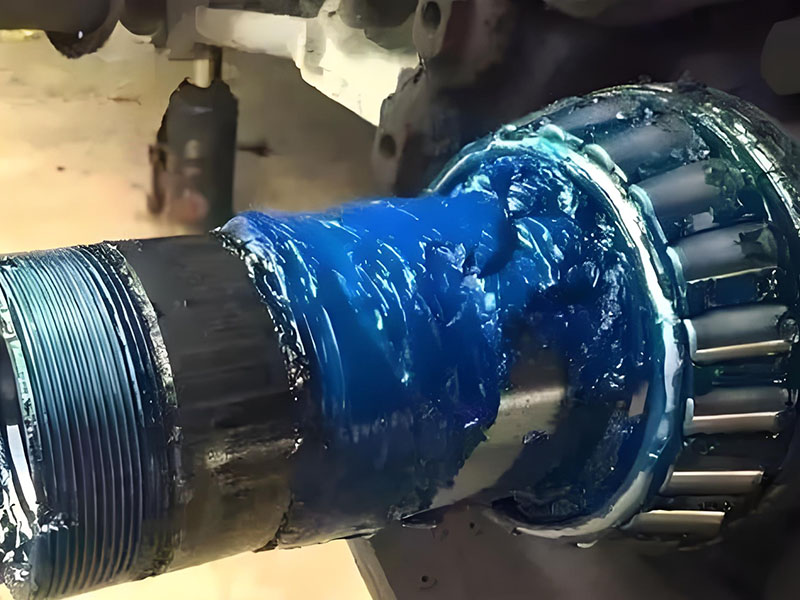
- Proper Lubrication: Use the recommended type and amount of grease. Lubrication reduces friction, dissipates heat, and protects against corrosion.
- Routine Inspection and Cleaning: Periodically check for signs of wear, contamination from dust or debris, and ensure the bearing engages and disengages smoothly. Clean the surrounding area during maintenance.
- Ensuring Correct Installation: Always follow the manufacturer’s guidelines. Bearings should be installed squarely, using the correct tools to avoid shock loads that could damage the races or rolling elements.
Conclusion
The one-way bearing is a marvel of precision engineering, providing a simple, automatic, and highly reliable solution for controlling rotational motion. From the moment you start your car to the efficient operation of industrial production lines, its function is critical. Choosing a high-quality, durable one-way bearing is an investment in the safety and efficiency of your entire system.
DUHUI Bearing leverages two decades of manufacturing experience to produce one-way bearings that meet the highest standards of quality and performance. We invite you to explore our comprehensive product range. If you have a specific application or need a custom-engineered solution, our expert team is ready to assist.