In the world of rotating machinery, bearings are the unsung heroes that reduce friction and ensure longevity. For procurement managers and engineers sourcing components, the choice between Sleeve Bearings and Ball Bearings is often a critical decision that impacts cost, performance, and durability.
At DUHUI Bearing, with 20 years of manufacturing expertise and 15 years in global trade, we have supplied these essential components for countless automotive and industrial applications. Understanding the nuanced differences between these two bearing types is key to optimizing your equipment.
Here is a comprehensive technical comparison designed to help you make an informed choice.
1. What is a Sleeve Bearing?
Definition
Sleeve bearings, also known as bushings or plain bearings, are the simplest form of bearings. They consist of a cylindrical sleeve made of a wear-resistant material (typically bronze, brass, or a composite) that allows a shaft to slide and rotate.

Structure & Composition
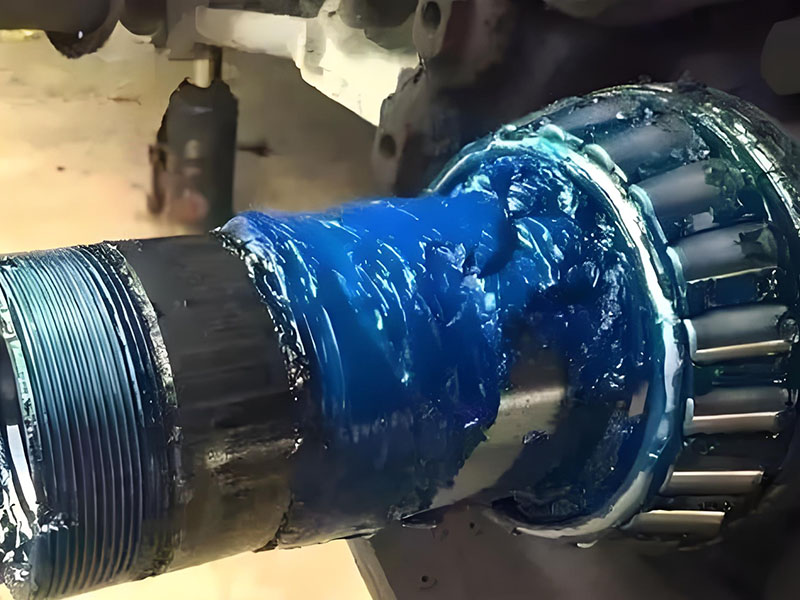
Unlike rolling element bearings, sleeve bearings have no moving parts inside. They rely on a sliding motion between the shaft and the bearing surface. The inner surface is often lined with self-lubricating materials or requires external oil/grease to form a thin lubricating film.
Common Applications
Due to their simplicity, sleeve bearings are ideal for:
- Low-speed, high-load applications (like engines connecting rods).
- Oscillating motions (like hinges and pivots).
- Scenarios where quiet operation and shock absorption are needed.
2. What is a Ball Bearing?
Definition
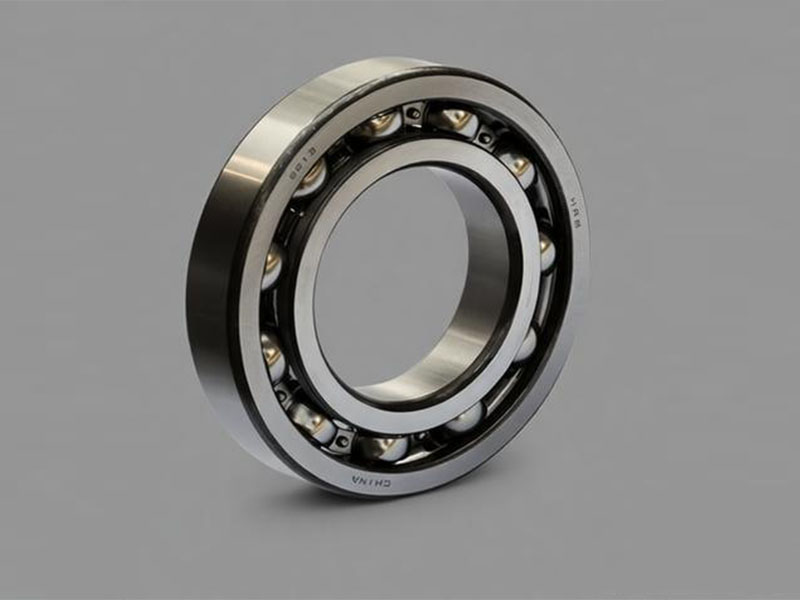
Ball bearings are a type of rolling-element bearing that uses spherical balls to maintain separation between the moving parts.
Structure & Working Principle
The classic design consists of four parts: the outer ring, the inner ring, the balls, and the cage (retainer). The cage holds the balls in place, allowing them to roll freely in the raceways. This rolling motion significantly reduces friction compared to sliding motion.
Common Applications
Ball bearings are the workhorses of modern machinery:
- High-speed rotating equipment (like electric motors).
- Applications requiring high precision (like machine tool spindles).
- Automotive wheel hubs and transmissions.
3. Sleeve Bearings vs. Ball Bearings: The Main Differences
To determine which bearing suits your project, you must analyze the specific operating conditions. Here is a technical breakdown:
| Feature | Sleeve Bearing | Ball Bearing |
| Design & Structure | Simple, solid construction. No rolling elements. | Complex assembly with rings, balls, and cage. |
| Load Type | Excellent for high radial loads. Sensitive to shock loads. | Handles both radial and axial loads well. |
| Friction | Higher starting friction; low running friction if well-lubricated. | Low starting and running friction. |
| Lubrication | Critical; often requires oil film or grease. | Grease-packed for life or oil-mist lubricated. |
| Maintenance | Can be high (requires regular lubrication) unless self-lubricating. | Generally low-maintenance (sealed units). |
| Noise Level | Generally quieter (dampens vibration). | Can produce higher frequency noise if damaged. |
| Cost Analysis | Lower initial material cost. | Higher initial manufacturing cost. |
| Durability | Can wear quickly if lubrication fails. | Longer lifespan if correctly sized and lubricated. |
| Speed | Best for low to moderate speeds. | Ideal for high-speed rotation. |
4. The Critical Choice: Sleeve vs. Ball Bearings in Cooling Fans
One of the most common debates in the industry involves cooling fans.
Why Bearings Matter in Fans
The bearing is the heart of a fan. It determines the fan’s lifespan, noise signature, and efficiency.
Key Considerations for Fan Selection:
- Assess Application Needs: Is the fan running 24/7 in a server, or intermittently in a home appliance?
- Budget vs. Longevity: Sleeve bearings lower the Bill of Materials (BOM) cost, but ball bearings extend the Mean Time Between Failures (MTBF).
- Noise: For office equipment needed at night, sleeve bearings may be preferred for their quiet start-up. However, over time, sleeve bearings can become noisier as they wear out.
- Installation Orientation: Sleeve bearings can be sensitive to mounting angle; ball bearings operate reliably in any orientation.
5. Application-Specific Recommendations
5.1 Where Sleeve Bearings Excel
- Household Appliances: Ceiling fans, washing machines (low-speed applications).
- Low-Power Fans: Computer case fans where budget is the priority.
- Quiet Office Equipment: Printers and copiers in standby mode.
- Cost-Sensitive Projects: High-volume production where the initial cost must be minimized.
- Mild Environments: Clean, temperature-controlled indoor settings.
5.2 Where Ball Bearings Dominate
- Automotive: DUHUI Bearing specializes in automotive wheel hub bearings. Vehicles demand the high durability and axial load capacity that only ball bearings can provide.
- Industrial Machinery: Conveyors, gearboxes, and motors requiring precision.
- Pumps: Where shaft stability and handling of radial loads are critical.
- HVAC Systems: Large commercial fans and blowers that run continuously.
- Wide Temperature Environments: Applications ranging from -40°C to +150°C, where grease in ball bearings remains stable.
6. How to Choose: A Decision Framework
Choosing between a sleeve and a ball bearing is not just about the part; it’s about the lifecycle of your machine.
1. Match Lifespan to Environment
If your equipment operates in a high-temperature, dusty, or high-vibration environment, invest in ball bearings. They offer the durability to withstand harsh conditions. For clean, low-stress environments, sleeve bearings are a cost-effective solution.
2. Evaluate Installation Direction
For vertical shaft applications, ball bearings are almost always required. Sleeve bearings tend to wear unevenly when supporting a vertical load unless specifically designed for it.
3. Define Noise Requirements
For absolute silence during operation, a high-quality sleeve bearing with proper lubrication is superior. However, ensure the silence will last. If the unit will run for years, a precision ball bearing may remain quieter for longer.
4. Consider Total Cost of Ownership
While sleeve bearings have a lower upfront cost, the total cost of ownership often