In the world of automotive engineering, selecting the right bearing type is critical for performance, safety, and durability. As a professional in the automotive industry, you may often face the choice between needle bearings and ball bearings.
At DUHUI Bearing, with 20 years of manufacturing expertise and 15 years of foreign trade experience, we specialize in producing high-quality automotive wheel hub bearings. In this article, we’ll break down the key differences, advantages, and limitations of needle bearings and ball bearings—helping you make an informed decision for your specific application.
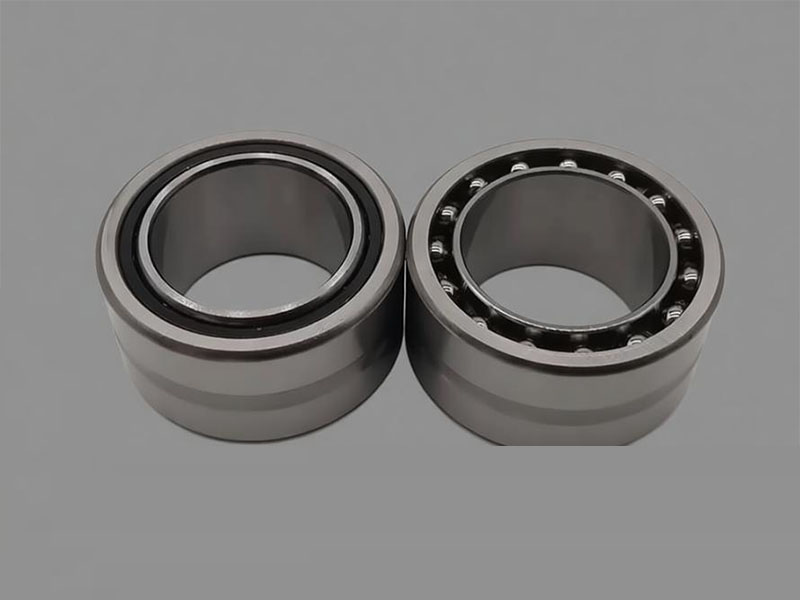
1. Needle Bearings
1.1 Definition & Characteristics
Needle bearings are a type of roller bearing that use long, thin cylindrical rollers resembling needles. These bearings are designed to handle high radial loads in limited space.
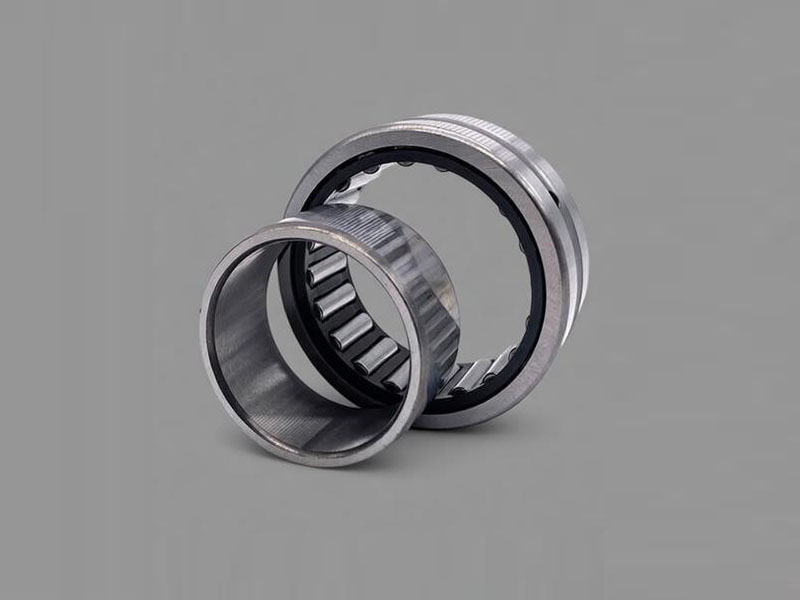
1.2 Components of Needle Bearings
- Outer Ring
- Inner Ring (optional in some designs)
- Needle Rollers
- Cage (retainer)
1.3 Types of Needle Bearings
- Yoke and Stud Type Track Rollers
- Drawn Cup Needle Bearings
- Combined Needle Bearings
- Needle Bearings with Inner Ring
- Thrust Needle Bearings
- Ribbed Needle Bearings
1.4 Advantages & Disadvantages
Advantages:
- High load capacity in compact space
- Excellent stiffness
- Efficient power transmission
- Easy mounting options
Disadvantages:
- Limited axial load capability
- Sensitive to misalignment
- Requires excellent lubrication
- Can generate more noise
1.5 Common Applications
- Automotive transmissions
- Aerospace actuators
- Industrial gearboxes
2. Ball Bearings
2.1 Definition & Characteristics
Ball bearings use spherical rolling elements to reduce friction and support both radial and axial loads. They are among the most common bearing types used across industries.
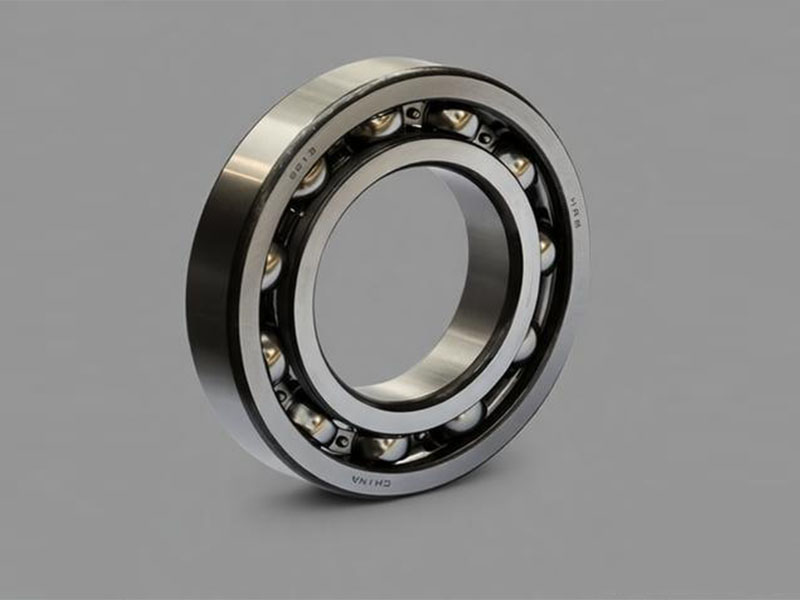
2.2 Components of Ball Bearings
- Inner Ring
- Outer Ring
- Balls (rolling elements)
- Cage
2.3 Types of Ball Bearings
- Deep Groove Ball Bearings
- Angular Contact Ball Bearings
- Self-Aligning Ball Bearings
- Thrust Ball Bearings
- Miniature Ball Bearings
- Ceramic and Hybrid Ball Bearings
2.4 Advantages & Disadvantages
Advantages:
- Low friction and heat generation
- High-speed capability
- Versatile and easy to maintain
- Long service life
Disadvantages:
- Lower load capacity compared to rollers
- Sensitive to shock loads
- Can be costlier in specialty designs
2.5 Common Applications
- Electric motors
- Pumps and compressors
- Consumer goods
- Automotive wheel hubs (especially in lighter vehicles)
3. Key Differences Between Needle Bearings and Ball Bearings
| Feature | Needle Bearings | Ball Bearings |
| Load Capacity | High radial load | Moderate radial & axial |
| Speed Performance | Moderate | High |
| Space Efficiency | Compact cross-section | Requires more space |
| Noise & Vibration | Higher | Lower |
| Rolling Element Shape | Cylindrical (needle) | Spherical (ball) |
| Misalignment Tolerance | Low | Moderate |
| Cost | Generally lower | Varies by type |
| Typical Use | Transmissions, gearboxes | Motors, hubs, pumps |
4. Similarities Between Needle Bearings and Ball Bearings
Despite their differences, both types serve the same fundamental purpose:
- Reduce rotational friction
- Support radial and/or axial loads
- Ensure smooth motion in mechanical systems
At DUHUI Bearing, we manufacture both types with precision, ensuring they meet international quality standards for durability and performance.
5. How to Choose the Right Bearing for Your Application
Choosing between needle and ball bearings depends on several factors:
5.1 Load Requirements
- High radial load + limited space? → Needle bearing
- Combined radial + axial load? → Ball bearing
5.2 Operating Speed
- High-speed rotation? → Ball bearing
- Moderate speed with heavy load? → Needle bearing
5.3 Space Constraints
- Tight radial space? → Needle bearing
- More installation space available? → Ball bearing
5.4 Noise Sensitivity
- Low noise required? → Ball bearing
- Noise less critical? → Needle bearing