Have you noticed a strange humming noise coming from your wheels, or does your car feel a bit unstable on the road? These could be signs of a failing wheel bearing and hub assembly. As a critical component of your vehicle’s safety system, the wheel bearing and hub assembly connects the wheel to the axle, allowing for smooth rotation while supporting the entire weight of the car. Understanding its function, signs of failure, and replacement process is essential for any car owner or technician. DUHUI will walk you through the five most important things you need to know about this vital part.
1. The Most Common Symptoms of a Failing Wheel Bearing and Hub Assembly
Identifying a failing wheel bearing and hub assembly early can prevent more severe damage and unsafe driving conditions. Here are the most common symptoms to watch for:
- Strange Humming, Rumbling, or Growling Noise: This is the most tell-tale sign. The noise typically changes with wheel speed and may become louder when turning the vehicle in one direction. A worn bearing creates friction that produces this distinct sound.
- Pull to One Side When Braking: A failing bearing can cause uneven wheel rotation, leading the vehicle to pull to the side when you apply the brakes.
- Uneven Brake Pad Wear: Excessive play in the wheel hub assembly can cause the brake rotor to wobble, leading to uneven contact and premature wear on the brake pads.
- Wheel Vibration and Play: If you feel excessive vibration in the steering wheel or notice your wheels have “play” when the car is jacked up, it’s a clear indicator that the wheel bearing is worn out.
2. The Root Causes of Wheel Bearing and Hub Assembly Failure
Knowing why a wheel bearing and hub assembly fails can help you take preventative measures. The primary culprits are:
- Impact Damage: Driving over potholes, speed bumps too fast, or hitting a curb can create microscopic dents in the bearing raceways. Over time, these dents worsen and lead to premature failure.
- Moisture and Dirt Contamination: A damaged or degraded seal allows water, road salt, and dirt to enter the bearing. This contamination washes away the lubricating grease and causes corrosion, rapidly destroying the internal components.
- Improper Installation: Using incorrect tools or failing to follow torque specifications during installation is a leading cause of early bearing failure. Forcing a bearing into place or overtightening the axle nut can damage the internal surfaces from the very beginning.
3. Why Choosing a High-Quality Wheel Hub Assembly is Non-Negotiable
When it comes to replacement, not all parts are created equal. Investing in a high-quality wheel hub assembly is crucial for long-term reliability and safety. Low-quality components often lead to:
- Premature Failure: Cheap bearings wear out in a fraction of the time, costing you more in labor and downtime.
- Safety Hazards: A catastrophic bearing failure at high speed can lead to wheel detachment or loss of vehicle control.
- Sensor Failure: Modern vehicles rely on the wheel hub for ABS (Anti-lock Braking System) and traction control. A low-quality unit often comes with a substandard sensor, leading to dashboard warning lights and system malfunctions.
- Repeated Repairs: The cost of multiple repairs far exceeds the initial savings from buying a cheap part.
What distinguishes a high-quality component? A premium wheel bearing and hub assembly typically features:
- High-Strength Steel: For maximum durability and impact resistance.
- Original Equipment (OE) Design: Engineered to match the exact fit, form, and function of the original part.
- OE-Quality Sensor: Ensures accurate and reliable ABS signals for safe braking.
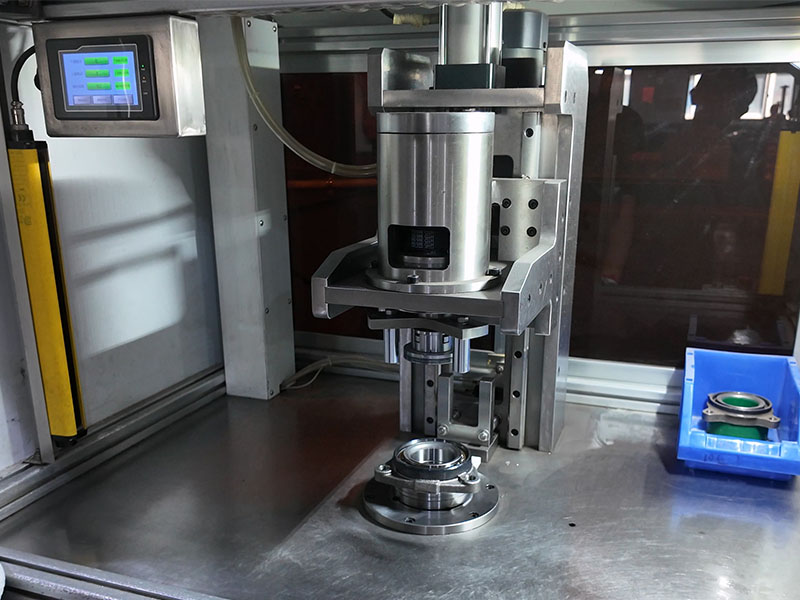
- Pre-Assembled Hub and Bearing Unit: Reduces installation errors by eliminating the need for pressing.
- Triple-Lip Seal: Provides superior protection against water, dirt, and debris to keep lubricant in and contaminants out.
4. Proper Installation Tips for a Wheel Bearing and Hub Assembly
Even the highest quality wheel hub assembly will fail prematurely if it is not installed correctly. Proper installation is an art that requires attention to detail:
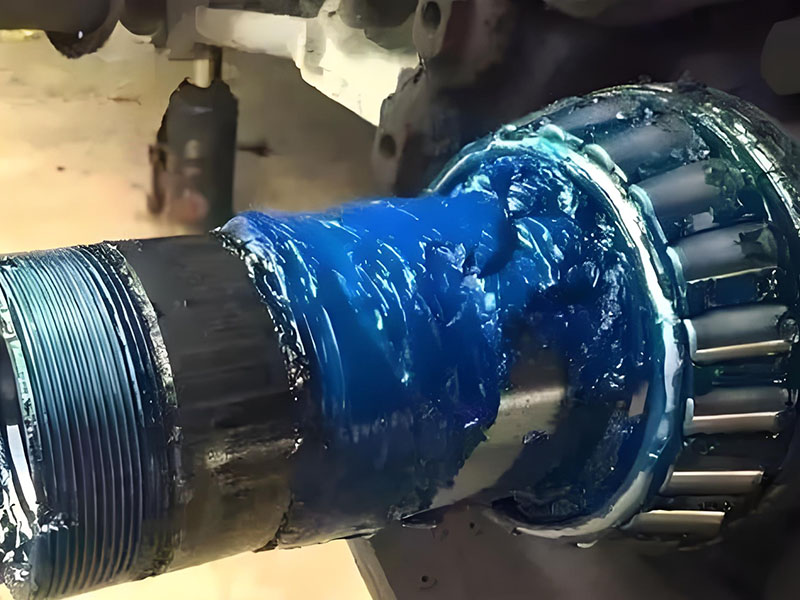
- Proper Grease Fill: The bearing must have the correct amount and type of grease. Too little causes friction, while too much can cause overheating.
- Match Grease Grade: Always use grease that meets the bearing’s specifications. Using the wrong type can lead to lubrication failure.
- Use Manufacturer Torque Specifications: Every bolt, especially the axle nut, has a precise torque spec. Overtightening can preload the bearing excessively, while undertightening can lead to wheel play.
- Install Seals Correctly: The new seal must be driven in evenly and to the correct depth to ensure a proper seal against contamination.
- Correct Bolt Tightening Sequence: Following the correct pattern and torque for the mounting bolts ensures the hub is seated flat and stress-free.
- Post-Installation Test: After installation, spin the wheel by hand to ensure smooth rotation and no abnormal friction before lowering the vehicle.
5. Essential Post-Replacement Checks for Your Wheel Hub Assembly
The job isn’t finished when the new part is bolted on. A few final steps are necessary to ensure a successful repair:
- Torque the Axle Nut to Manufacturer Specs: This final torque check is critical. The axle nut holds the entire assembly together and must be tightened to the exact specification provided by the vehicle manufacturer.
- Use a Trusted, High-Quality Wheel Hub Assembly: Your entire repair’s success hinges on the part you start with. Ensuring you have a wheel hub assembly with the correct bearing grade and design is the foundation of a reliable repair.
- Conduct a Thorough Road Test: After the repair, take the vehicle for a test drive. Listen for any residual noise, verify that the ABS light is off, and ensure the vehicle tracks straight and brakes smoothly.
Conclusion
Understanding the wheel bearing and hub assembly—from recognizing early failure symptoms to appreciating the value of a quality part and proper installation—is key to maintaining vehicle safety and performance. By choosing a reliable component and ensuring it’s installed with precision, you can avoid premature failures and costly repeat repairs.